
Staff Reimbursement FAQ for Dental Practice Managers
A practical, data-backed guide to controlling costs and automating expense workflows.
As a dental practice manager, you're likely responsible for overseeing expense management for dental practice, including staff reimbursements. For a complete overview, see our expense management guide.
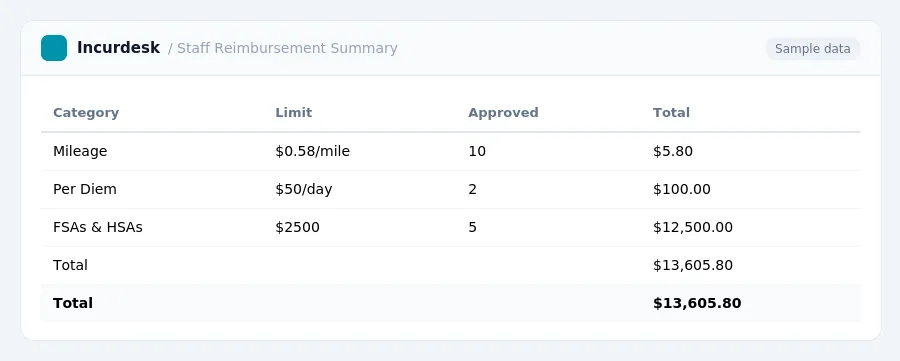
Mileage Reimbursement Rates and Limits
For July 1, 2026, through the end of the year, the rate increases to 76 cents per mile.
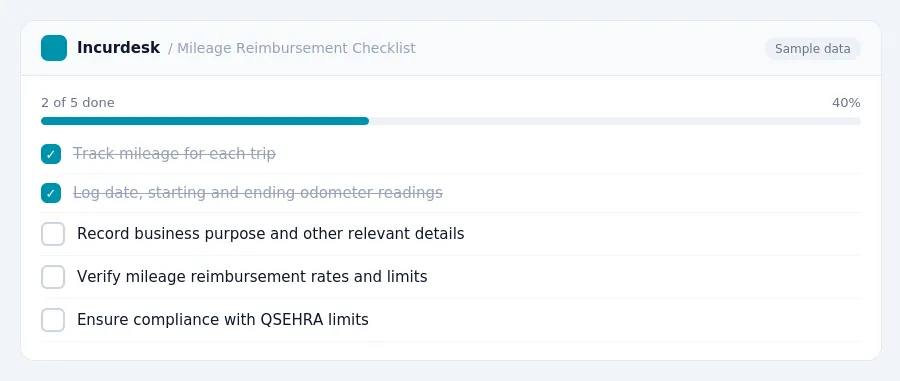
For staff members who receive mileage reimbursement, track the date and miles driven for each trip. Keep a log of the date, starting and ending odometer readings, business purpose, and any other relevant details.
The special meal and incidental expense (M&IE) rates for the transportation industry are $80 per day for travel within the continental United States for 2026-2027. For travel outside the continental United States, the rate is $86 per day.
For 2026, QSEHRA limits are $6,450 for self-only coverage and $13,100 for family coverage. These limits apply to qualified transportation benefits, including mileage reimbursement and M&IE rates.
FSA and HSA Contribution Limits
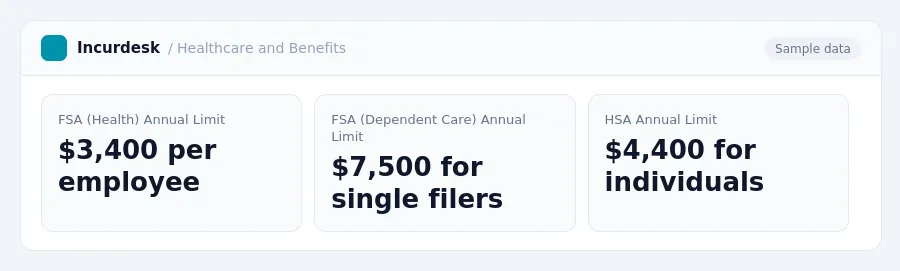
The annual contribution limit for health FSAs in 2026 is $3,400 per employee. Employers may also allow employees to carry over up to $680 in unused health FSA funds to the next plan year.
For dependent care FSAs, the annual contribution limit is $7,500 for single filers or married couples filing jointly, and $3,750 for those married filing separately, for plan years starting January 1, 2026.
The HSA contribution limit for 2026 is $4,400 for individuals and $8,750 for families.
Per Diem and Qualified Transportation Benefits
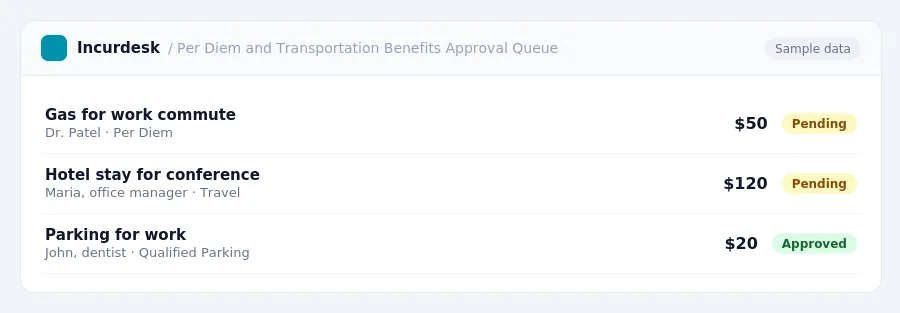
For your dental practice, it's essential to understand the rules surrounding per diem and qualified transportation benefits. These benefits can help your employees cover expenses related to work travel and commuting.
There's also a separate monthly limit of $340 for qualified parking in 2026.
Keep in mind that these rates and limits are subject to change, so it's crucial to stay up-to-date on any changes to these rules.
Common Mistakes to Avoid
Here are some common mistakes to watch out for:
- Not keeping accurate records of mileage, expenses, and reimbursements.
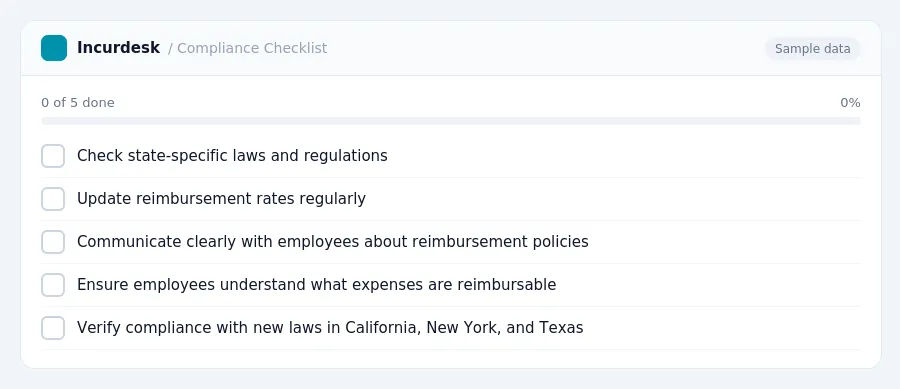
- Not updating reimbursement rates regularly.
- Not considering state-specific laws and regulations.
- Not communicating clearly with employees about reimbursement policies and procedures. Make sure employees understand what expenses are reimbursable, how to submit expense reports, and what documentation is required.
Some states, including California, New York, and Texas, have enacted new laws related to dental insurance in 2026. Be sure to check the specific laws and regulations in your state to ensure compliance.
State-Specific Variations and Yearly Changes
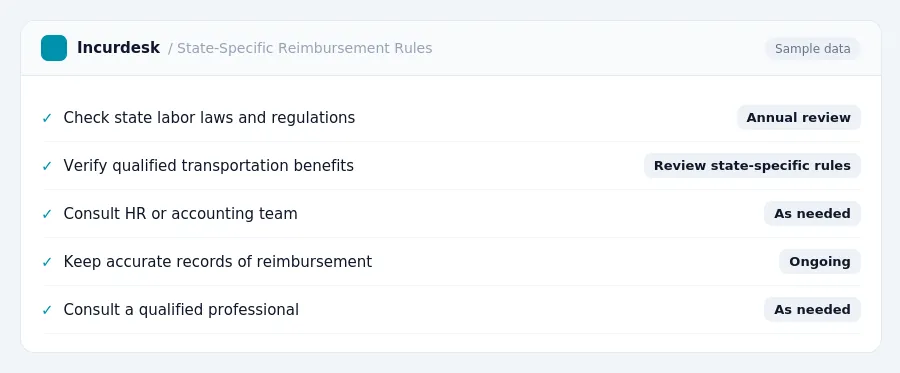
Check your state's labor laws and regulations to ensure compliance with any additional requirements or restrictions.
Additionally, some states may have specific rules for qualified transportation benefits, such as parking or bike-to-work programs.
Make sure to review and update your staff reimbursement policies annually to ensure compliance with changing regulations.
Consult with your HR or accounting team to ensure you're meeting all applicable state and federal requirements.
Keep accurate records of your reimbursement practices, including documentation of expenses and employee records, in case of an audit.
Review your state's specific laws and regulations, and consult with a qualified professional if you have questions or concerns about compliance.
Keeping this simple: Incurdesk keeps receipts and approvals together, so you know exactly what to reimburse. It is built for small dental practice teams. Try it free.
Stop losing 4+ hours a week
30-day free trial · No credit card · Setup in 15 minutes