Subcontracted Crew Costs vs Employee Crew Costs
A practical, data-backed guide to controlling costs and automating expense workflows.
In the roofing industry, contractors face a common dilemma: whether to hire independent contractors or employees. The choice between the two ultimately depends on the contractor's financial situation, business model, and regulatory requirements. For small roofing contractors, understanding the costs associated with hiring employees versus independent contractors is crucial for making an informed decision. For the bigger picture, see our guide to roofing contractors expense management software. For a complete overview, see our expense management guide.
Subcontracted Crew Costs vs Employee Crew Costs
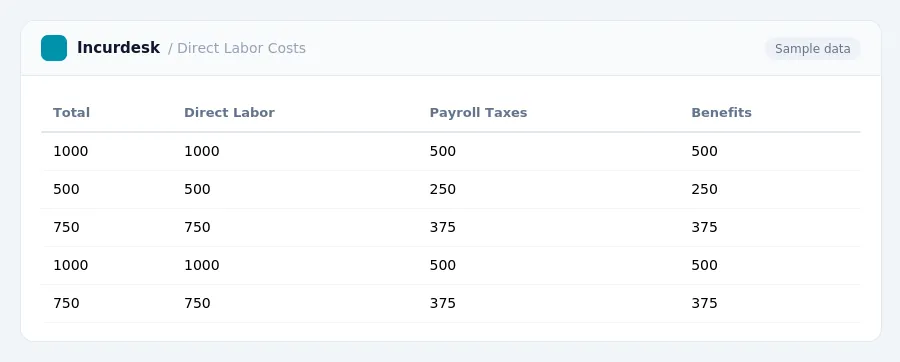
When considering the cost of hiring a subcontracted crew, it's essential to compare direct labor costs, payroll taxes, benefits, and insurance.
Direct labor costs include the cost of materials and equipment used by the subcontracted crew. This includes the cost of roofing materials, tools, and supplies. Payroll taxes apply to employee wages, which include Medicare, Social Security, and federal income taxes. Benefits, such as health insurance and retirement plans, are also included in the cost of employing an employee. Insurance, including workers' compensation, liability insurance, and business insurance, is another factor to consider.
When deciding between subcontracting and hiring employees, consider the following:
- When the subcontracted crew's work is not directly related to the roofing business, it may be more cost-effective to hire them.
- When the subcontracted crew is the primary provider of labor, it may be more cost-effective to hire them and pay them directly.
It's essential to note that the cost of hiring employees can be higher than hiring subcontracted crews, particularly for small businesses with limited budgets. However, by understanding the factors involved, small roofing contractors can make an informed decision that balances costs with the need for quality labor and expertise.
The rules in this guide
| Amount | Required | In Incurdesk |
|---|---|---|
| Above $75 | Itemised receipt | Checked on every expense |
| Above $250 | Written business purpose | Checked on every expense |
| Above $500 | Names of attendees | Checked on every expense |
| Above $2,500 | Senior sign-off; never auto-approved | Checked on every expense |
Each rule is checked on every expense by Incurdesk’s approval agent.
Direct Labor Costs
Subcontracted Crew Costs vs Employee Crew Costs
When considering hiring subcontracted crews for roofing projects, it's essential to understand the financial implications of each option. Here's a comparison of direct labor costs:
Direct Labor Costs ----------------
Direct labor costs are the direct expenses associated with hiring and paying laborers to complete a project. These costs include:
- Hourly wages for laborers
- Benefits, such as health insurance and paid time off
- Paid time off (PTO) and vacation time
- Overtime pay
- Training and certification costs
In general, direct labor costs are lower when hiring subcontracted crews. Additionally, subcontractors may not have the same level of training and certification requirements as employees.
When hiring subcontracted crews, it's essential to consider the following factors:
- Hourly rates: Look for subcontractors who offer competitive hourly rates for the work being done.
- Benefits: Ensure the subcontractor offers benefits that align with your company's needs and budget.
- Training and certification: Consider subcontractors who provide training and certification programs for their laborers.
- Overtime pay: Make sure the subcontractor has a plan in place for paying overtime.
Keep in mind that subcontractors may require more time and resources to manage, including payroll, benefits, and training. However, their overhead costs may be lower than those of employees.
Payroll Taxes
Subcontracted Crew Costs vs Employee Crew Costs
When deciding between hiring subcontracted crews or employee crews, it's essential to consider the financial implications. Both options have their pros and cons, which are outlined below.
Direct Labor Costs
Payroll Taxes
Benefits
Insurance
Benefits
Subcontracted Crew Costs vs Employee Crew Costs
One key difference is the cost of benefits.
Subcontracted crews typically pay for benefits themselves, whereas employee crews pay a portion of the costs. This can result in significant savings for the owner or office manager.
This can lead to a lower overall cost for the business.
However, subcontracted crews often pay a higher percentage of payroll taxes, which can add up quickly. Additionally, subcontracted crews may not have access to the same benefits as employee crews, such as workers' compensation insurance.
To make a cost-effective decision, consider the following:
- If the subcontracted crew can pay for benefits themselves, it may be a more cost-effective option.
- If the subcontracted crew cannot pay for benefits themselves, consider offering a benefits package to attract and retain employees.
- If the business is small and has a limited budget, employee crews may be a more affordable option.
- If the business has a large volume of work, subcontracted crews may be more cost-effective in the long run.
It's also worth noting that some states and local governments require employers to pay a minimum amount of benefits to employees. Employers withhold this but do not match it.
Insurance
Subcontracted Crew Costs vs Employee Crew Costs
Insurance
Insurance provides protection for subcontracted and employee crews. The main purpose is to limit liability in case of accidents or injuries. In the event of an accident, the liability is transferred to the insurance provider. This ensures that the business is not held responsible for the contractor's actions.
When determining insurance needs, consider the following factors:
- The number of employees working on the job
- The type of work being performed (e.g., roofing, electrical, or plumbing)
- The contractor's level of experience and qualifications
- The length of time the contractor will be working on the job
It is recommended to work with an insurance provider that specializes in contractor insurance. They can help determine the required coverage levels and provide guidance on the best policies for your specific situation.
When selecting an insurance policy, be sure to ask about the following:
- The annual premium
- The coverage limits
- The exclusions and limitations
- The duration of the policy
It is also essential to review and update the insurance policy annually, or as required by law, to ensure it remains aligned with the business's needs.
In addition to insurance, consider the following tips when managing subcontracted and employee crews:
- Ensure compliance with labor laws and regulations
- Establish a clear workflow and communication plan
- Set clear expectations for performance and work quality
- Develop a contract or agreement with the contractor, outlining terms and conditions
By understanding the importance of insurance and following best practices for managing subcontracted and employee crews, small roofing contractors can ensure a safe and successful working environment.
Tax rules, limits and rates change. Confirm current figures with the IRS or your accountant before you file.
Keeping this simple: Incurdesk lets your team snap a photo of a receipt and fills in the details for you. It is built for small roofing contractor teams. Try it free.
AI expense management for finance teams and whoever keeps the books. It checks every expense against your rules, approves the routine ones and chases missing receipts for you.
Try it free for 30 days →Stop losing 4+ hours a week
30-day free trial · No credit card · Setup in 15 minutes