
Tracking Associate Dentist Expenses Without a Spreadsheet
A practical, data-backed guide to controlling costs and automating expense workflows.
Tracking associate dentist expenses is crucial for effective expense management for dental practice, and moving beyond spreadsheets can help improve financial management and tax compliance. As an employer, it's essential to stay up-to-date with the latest tax rates and limits to avoid common accounting mistakes.
Streamlining Expense Tracking: Practical Examples from Dental Practices
To effectively track associate dentist expenses, it's essential to establish a clear system that ensures accuracy and efficiency. Here are some practical examples from dental practices that have successfully streamlined their expense tracking:
- Implement a centralized expense reporting system that allows associates to easily log their expenses and upload supporting documentation.
- Designate a specific person or team to review and approve expense reports to ensure accuracy and compliance with IRS regulations.
- Set up automatic reminders for expense reports to ensure timely submission and minimize delays.
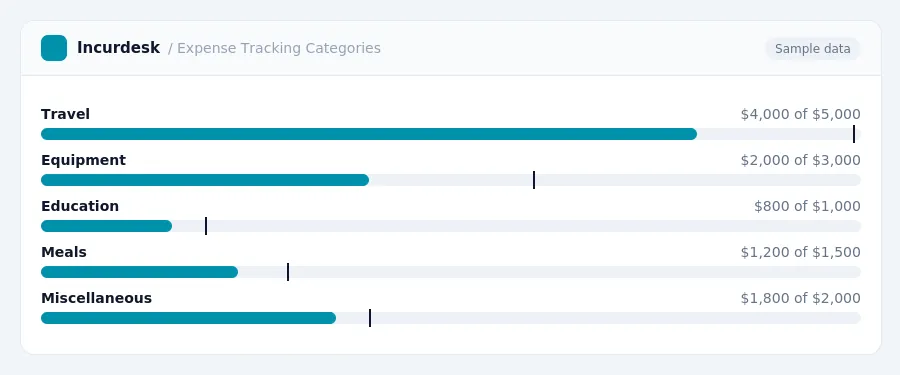
- Consider implementing a system that allows for easy categorization and coding of expenses, such as by category (e.g. travel, equipment, education) or by type (e.g. meal, lodging, transportation).
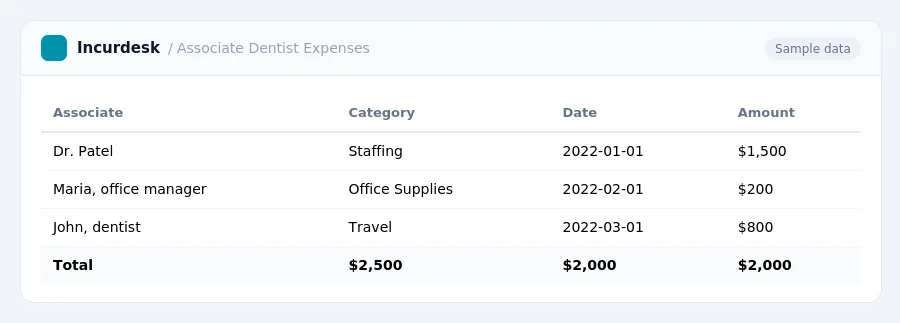
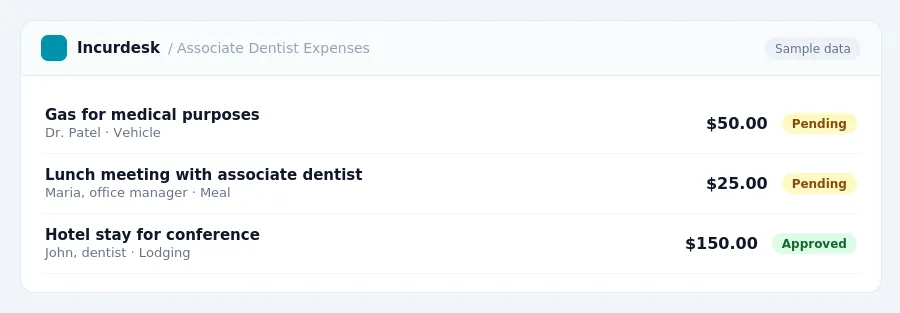
For example, a dental practice may create a spreadsheet with the following columns:
By implementing a clear and efficient expense tracking system, dental practices can ensure accurate reporting, minimize errors, and stay compliant with IRS regulations.
Keeping this simple: Incurdesk lets your team snap a photo of a receipt and fills in the details for you. It is built for small dental practice teams. Try it free.
State-Level Variations in Tax Laws: What Dental Practices Need to Know
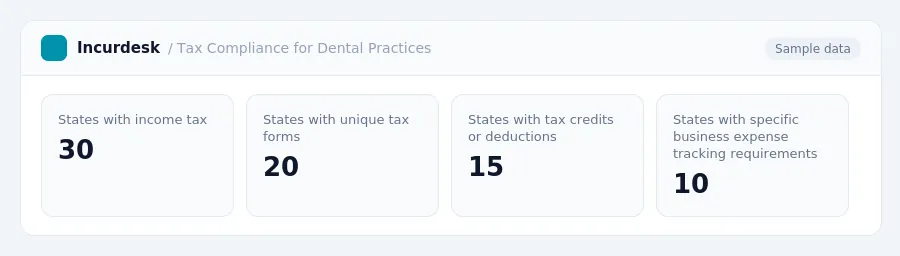
Dental practices should be aware that tax laws can vary significantly from state to state. To ensure compliance, it's essential to familiarize yourself with the specific tax laws in your state.
Here are some key areas to focus on:
- State Income Taxes: Some states have state income taxes, while others do not. If your state has an income tax, you'll need to account for it when tracking associate dentist expenses.
- State-Specific Tax Forms: Each state may have its own tax forms, which can be different from the federal tax forms used for tracking associate dentist expenses.
- State-Level Tax Credits and Deductions: Some states offer tax credits or deductions for certain expenses, such as education or equipment purchases.
- State Requirements for Business Expense Tracking: Some states may require dental practices to maintain specific records or documentation for business expenses.
To stay on top of state-level tax laws, we recommend:
- Consulting with a tax professional or accountant who is familiar with your state's tax laws.
- Reviewing your state's tax forms and requirements.
- Staying informed about any changes to state tax laws or regulations.
By understanding the specific tax laws in your state, you can ensure accurate tracking of associate dentist expenses and maintain compliance with federal and state tax regulations.
Tracking Associate Dentist Expenses Without a Spreadsheet: Understanding IRS Tax Rates and Limits
This rate applies to the cost of operating a car, such as gas, maintenance, and insurance, for business-related trips.
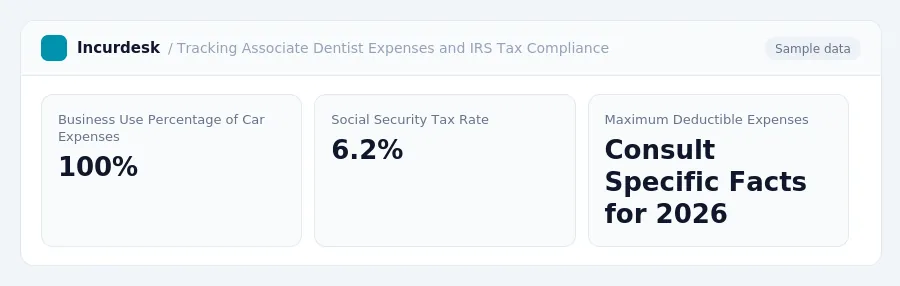
For Social Security taxes, the rate for both employees and employers is 6.2% in 2026. This means that both the associate dentist and the employer will contribute 6.2% of the associate's earnings towards Social Security taxes.
It's also essential to note that the IRS has specific limits on the amount that can be deducted for certain expenses. However, these limits vary, and you should consult the Specific Facts for 2026 for the most up-to-date information.
To ensure compliance with IRS regulations, it's crucial to keep accurate records of all associate dentist expenses, including receipts, invoices, and mileage logs. This will help you accurately calculate and report expenses on your tax return.
For example, if an associate dentist drives 100 miles for a business-related trip on January 15, 2026, and the IRS standard mileage rate is 72.5 cents per mile, the expense would be calculated as follows:
Ditching the Spreadsheet: Common Accounting Mistakes to Avoid
When it comes to tracking associate dentist expenses, ditching the spreadsheet can be a daunting task, especially if you're not sure where to start. However, making the switch can save you time, reduce errors, and improve your financial management. Here are some common accounting mistakes to avoid:
- Mixing personal and business expenses: Keep your personal and business finances separate to avoid confusion and potential tax issues. Set up a dedicated business bank account and use it for all business-related transactions.
- Not tracking expenses regularly: Regular tracking helps ensure accuracy and reduces the likelihood of lost receipts or forgotten expenses. Set aside time each week or month to review and update your expense records.
- Failing to account for tax deductions: Don't miss out on potential tax savings by failing to claim legitimate deductions. Keep accurate records of business-related expenses, such as equipment purchases, travel, and professional fees.
- Not considering Social Security tax implications: As an employer, you're responsible for paying 6.2% of your associate dentists' wages to Social Security. Make sure to account for this tax when calculating their take-home pay.
- Not staying up-to-date with tax laws and regulations: Tax laws and regulations can change frequently, so it's essential to stay informed to avoid penalties and fines. Check the IRS website regularly for updates and consult with a tax professional if needed.
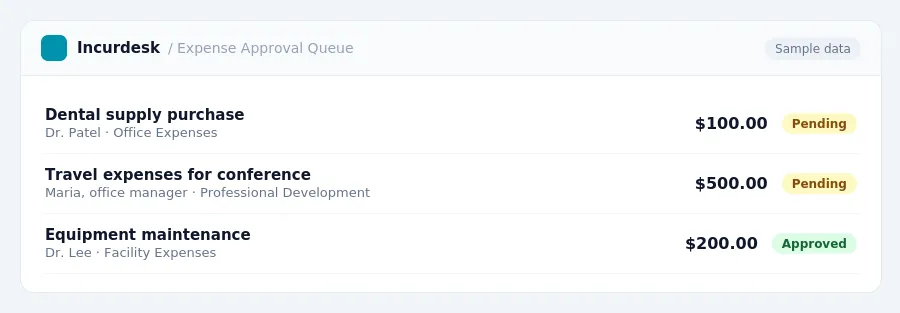
Moving Beyond Spreadsheets: Implementing a More Efficient Expense Tracking System
Now that you have a clear understanding of the IRS tax rates and limits, it's time to implement a more efficient expense tracking system. To get started, consider the following steps:
- Set up a mileage log to track miles driven for medical and moving purposes.
- Implement a system for tracking business use percentages for personal vehicles.
- Use a chart or table to track business use percentages for other expenses, such as meals and lodging.
For example, consider the following chart:
When calculating expenses, remember to apply the correct business use percentage to each expense.
By implementing a system like this, you can ensure accurate tracking and reporting of associate dentist expenses, and avoid common accounting mistakes. Remember to review and update your system regularly to ensure compliance with IRS regulations and state-level tax laws.
Stop losing 4+ hours a week
30-day free trial · No credit card · Setup in 15 minutes