
Tracking Design Competition and Proposal Expenses
A practical, data-backed guide to controlling costs and automating expense workflows.
As a small architecture business owner or office manager, tracking design competition and proposal expenses is crucial for accurate accounting and tax deductions. To ensure you're taking advantage of all eligible expenses, consider implementing a system for documenting and categorizing costs, such as proposal development, travel, and equipment expenses. With a reliable expense management solution like architecture expense management for under $10/user (2026), you can streamline your financial tracking and stay compliant with IRS rules.
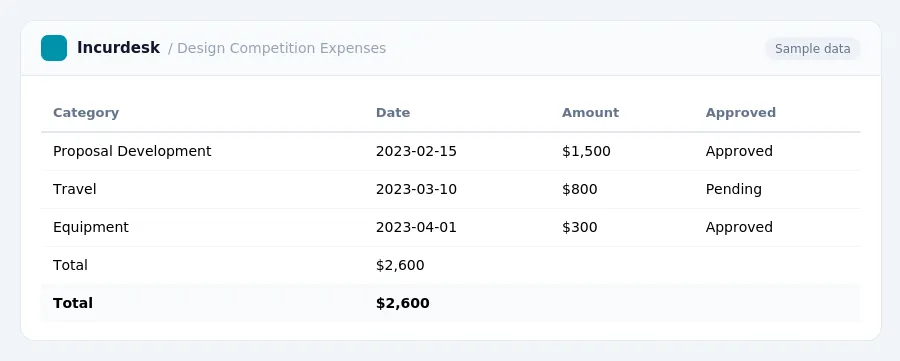
Track Design Competition and Proposal Expenses
- Establish a system to track expenses related to design competitions and proposal submissions. This includes tracking time spent on proposals, travel expenses, and other costs associated with the process. For travel expenses, use the $5 per day rate for incidental expenses, which applies to both CONUS and OCONUS localities. Keep accurate records of these expenses, as they may be deductible on your tax return.
- Research and track any grants or funding opportunities available for design competitions, such as the AIA Small Project Design Community Grant. This grant offers up to $5,000 to nonprofit organizations working with architects on community-based projects, with applications due by April 17, 2026.
- This may apply to expenses related to design competitions.
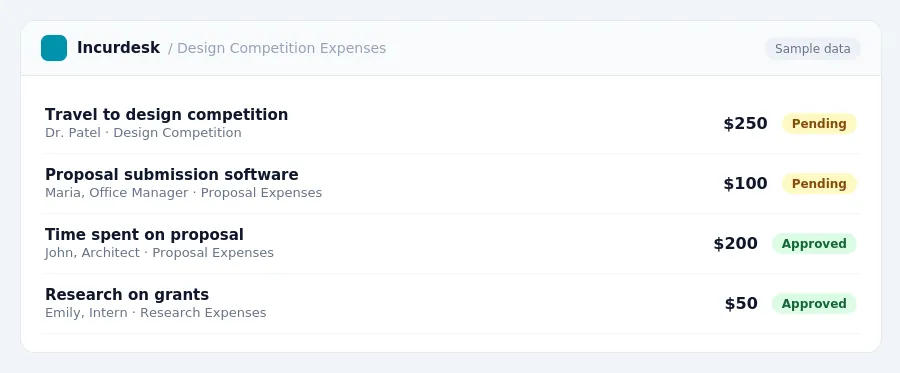
Document All Expenses Related to Design Competitions
Accurate record-keeping is crucial when tracking design competition expenses. To ensure you can claim these costs on your tax return, document all expenses related to design competitions, including:
- Design software and subscriptions
- Travel costs, such as flights, hotels, and meals
- Meeting and presentation expenses
- Photography and videography costs
- Modeling and prototyping expenses
- Office supplies and materials
- Professional fees, such as consulting and expert services
Keep records of these expenses, including receipts, invoices, and bank statements. You can also use a spreadsheet or accounting software to track expenses and categorize them by type.
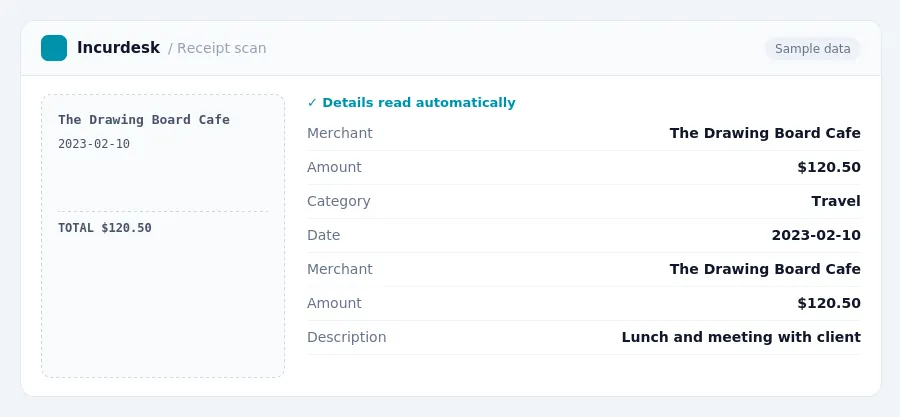
Make sure to include a clear description of each expense, including the date, amount, and purpose. This will help you and your accountant quickly identify deductible costs when preparing your tax return.
Determine Deductible Costs for Design Competitions
- When determining deductible costs for design competitions, first consider startup costs. These include expenses related to establishing your business, such as fees for licenses, permits, and initial marketing efforts.
- Next, consider organizational costs. These include expenses related to the formation of your business, such as filing fees and costs associated with creating a business plan. If your startup costs or organizational costs exceed $50,000, the deductible amount will be reduced. You can deduct up to $5,000 in startup costs and up to $5,000 in organizational costs in your first year of operation, for a potential immediate write-off of $10,000.
- Track all expenses related to design competitions, including those that may be subject to the reduced deductible amount. This will help you accurately calculate your deductible costs and ensure you're taking advantage of all eligible expenses.
- Consult the IRS rules and regulations regarding design competition expenses to ensure you're in compliance. This will help you avoid any potential penalties or fines associated with non-compliance.
- Keep accurate records of all design competition expenses, including receipts, invoices, and bank statements. This will help you support your deductions and ensure you're able to take advantage of eligible expenses.
Understand IRS Rules for Design Competition Expenses
When it comes to design competition expenses, it's essential to understand the IRS rules that apply. The IRS allows businesses to deduct expenses related to design competitions, but there are specific guidelines to follow.
For miles driven from January 1, 2026, to June 30, 2026, the rate is 72.5 cents per mile.
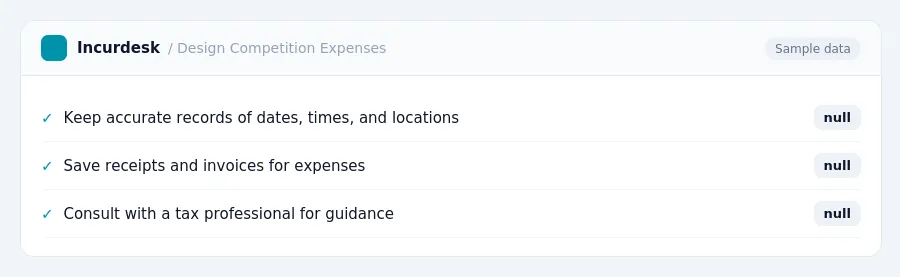
When tracking expenses, be sure to keep accurate records of dates, times, and locations of business-related activities, as well as receipts and invoices for expenses. This will help ensure that you can accurately claim deductions on your tax return.
Keep in mind that the IRS requires businesses to maintain accurate and complete records of expenses, including receipts, invoices, and bank statements. It's also essential to consult with a tax professional to ensure that you are meeting all the necessary requirements for deducting design competition expenses.
Maintain Accurate Records of Design Competition Expenses
- Keep all design competition and proposal-related documents in a centralized location, such as a designated folder or binder. This will make it easy to access and review records when needed. Consider scanning paper documents and saving them digitally to free up physical space.
- Organize digital records using clear and descriptive file names, including dates and project names. Use cloud storage services or external hard drives to back up files and ensure they are safe in case of a disaster.
- Keep a record of all transactions related to design competitions, including receipts, invoices, and bank statements. This will help you track expenses and identify potential deductions.
- Regularly review and update your records to ensure they are accurate and complete. This may involve reconciling bank statements, verifying expense reports, and updating project records.
- Consider implementing a system for tracking and categorizing expenses, such as using spreadsheets or templates. This will help you quickly identify deductible costs and ensure compliance with IRS rules.
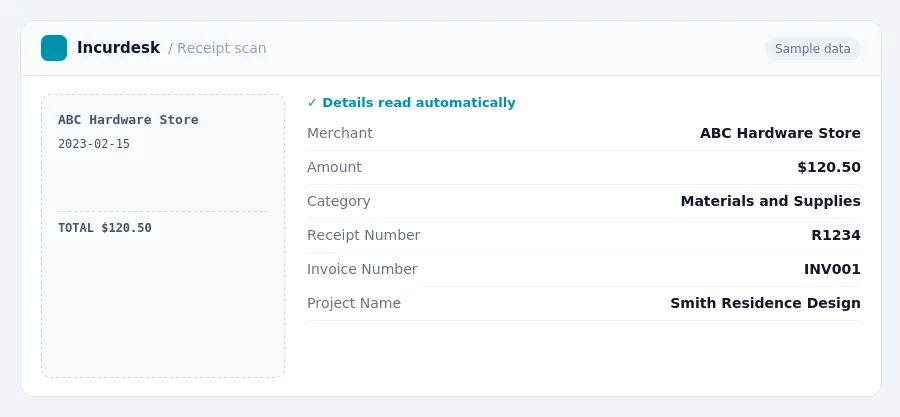
Keeping this simple: Incurdesk collects every receipt and expense report in one place, so spending is easy to review. It is built for small architecture teams. Try it free.
Stop losing 4+ hours a week
30-day free trial · No credit card · Setup in 15 minutes