
Tracking Early Treatment Costs in Pediatric Orthodontics
A practical, data-backed guide to controlling costs and automating expense workflows.
To manage these costs effectively, consider using orthodontic practices expense management software to track expenses and stay organized. By understanding the financial aspects of early orthodontic treatment, including patient payment options, insurance, and tax benefits, you can make informed decisions about your practice's financial management.
Understanding Phase 1 Orthodontic Treatment Costs
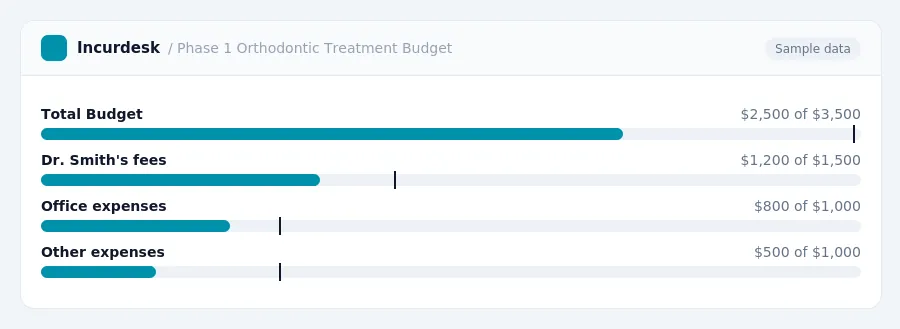
The average cost for Phase 1 orthodontic treatment, which is typically recommended for children aged 6-10, can range from $2,000 to $4,500 in 2026.
It's essential to consider the tax implications of these costs.
The American Association of Orthodontists recommends a child's first orthodontic evaluation by age 7. This early evaluation can help identify potential orthodontic issues and determine the need for Phase 1 treatment.
Key Considerations:
- Average cost for Phase 1 orthodontic treatment: $2,000 to $4,500 in 2026
Comprehensive Orthodontic Treatment Costs and Payment Options
The cost of comprehensive orthodontic treatment can vary significantly, typically ranging from $3,000 to $13,000 in 2026. National averages often fall between $5,000 and $6,500.
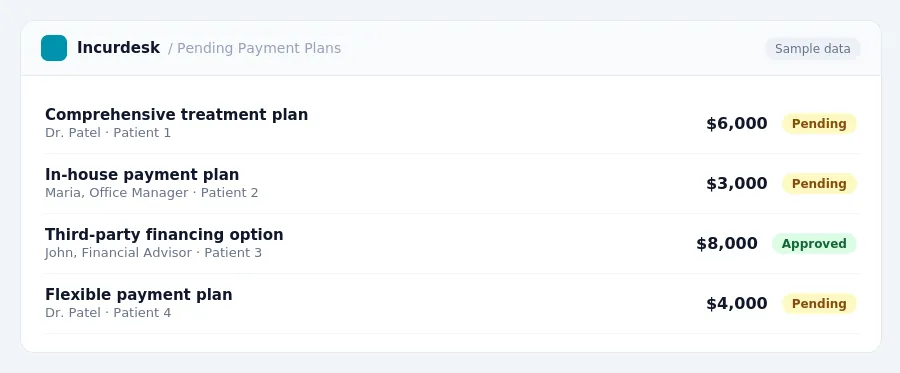
Most orthodontic offices offer in-house payment plans with monthly installments, often with little to no interest. These plans can help make treatment more affordable for patients. Third-party financing options are also available for orthodontic treatment.
When it comes to payment, it's essential to discuss options with your patients upfront. You can work with them to create a payment plan that fits their budget. Be sure to clearly outline the terms of the plan, including the monthly payment amount and any interest charges.
It's also crucial to communicate with your patients regularly to ensure they understand their financial obligations and can make timely payments. By offering flexible payment options and maintaining open communication, you can help your patients achieve a successful orthodontic treatment outcome.
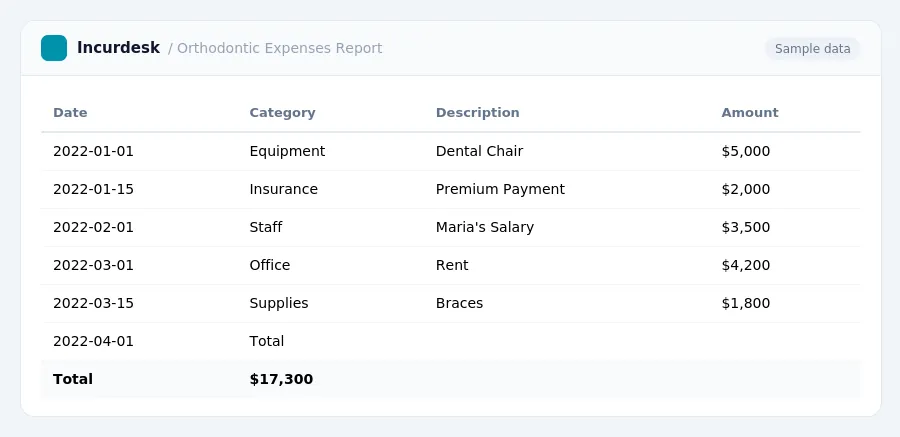
You may be able to claim this deduction for equipment or other property related to your orthodontic practice.
Insurance Coverage and Medicaid/CHIP for Pediatric Orthodontics
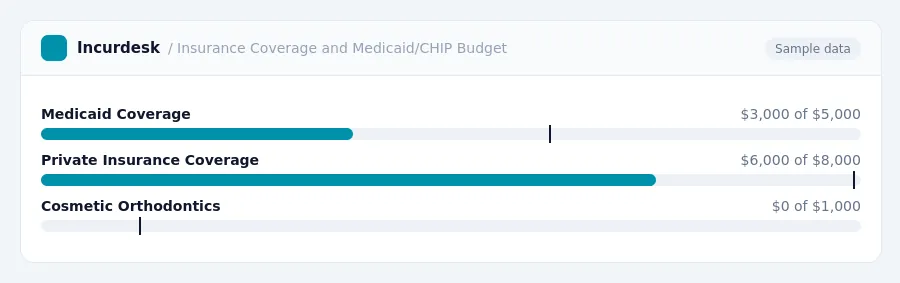
When it comes to Medicaid and the Children's Health Insurance Program (CHIP), coverage varies by state. However, these programs typically cover medically necessary orthodontic services for children and teens under 21. Cosmetic orthodontics, on the other hand, are usually not covered.
For patients with private insurance, coverage for orthodontic services varies widely. Some plans cover a portion of the costs, while others may require a waiting period or have specific requirements for coverage. It's essential to review the patient's insurance policy and discuss coverage with the insurance provider before starting treatment.
Medicaid coverage for orthodontic services is also dependent on the state. Some states may cover orthodontic services for children with specific medical conditions, while others may have limited or no coverage. It's crucial to check with the state Medicaid agency for specific information on coverage.
For 2026, the HSA contribution limits are $4,400 for self-only coverage and $8,750 for family coverage. These funds can be used to cover orthodontic expenses, but it's essential to review the HSA plan rules and regulations before using these funds.
Tax Benefits and Deductions for Orthodontic Practices
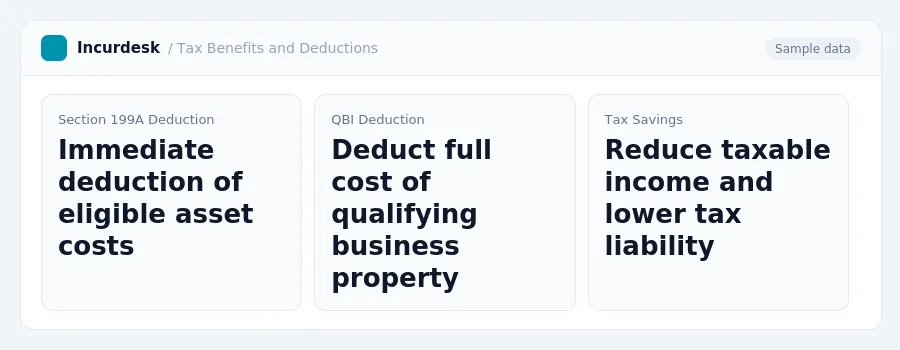
As an orthodontic practice, you may be eligible for various tax benefits and deductions to help reduce your taxable income. One such benefit is the Section 199A deduction, also known as the Qualified Business Income (QBI) deduction.
This means you can immediately deduct the full cost of eligible assets, such as equipment or furniture, in the year of purchase.
You can use this deduction to write off the full cost of qualifying business property, such as orthodontic equipment, in the year of purchase, rather than depreciating it over time.
Be sure to consult with a tax professional to determine which tax benefits and deductions your practice is eligible for and to ensure compliance with all relevant tax laws and regulations.
Managing Patient Payments and FSA/HSA Funds for Orthodontic Expenses
When it comes to managing patient payments, understanding the options available for FSA and HSA funds is crucial. If you're re-enrolled, you may also be able to carry over up to $680 in unused funds.
It's essential to note that FSA funds typically follow a "use it or lose it" rule, so it's vital to advise patients to use their allocated funds before the end of the year. If patients have remaining FSA funds, they can carry over up to $680 to the next year if they re-enroll.
HSAs, on the other hand, can also be used for eligible orthodontic expenses, including braces, clear aligners, and retainers, in 2026.
To ensure compliance with FSA and HSA rules, it's essential to provide clear guidance to patients on how to use these funds for their orthodontic expenses. By doing so, you can help patients maximize their benefits and minimize any potential penalties or losses.
When setting up payment plans, consider the following:
- Establish clear payment terms and due dates.
- Offer flexible payment options, such as online payments or automatic bank drafts.
- Communicate regularly with patients to ensure they're on track with their payments.
By implementing these strategies, you can effectively manage patient payments and help patients make the most of their FSA and HSA funds.
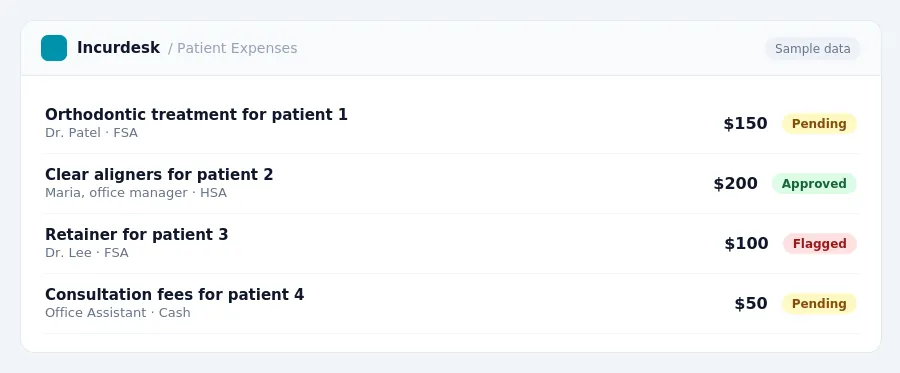
Keeping this simple: Incurdesk turns submitted expenses into clean expense reports. It is built for small orthodontic practice teams. Try it free.
Stop losing 4+ hours a week
30-day free trial · No credit card · Setup in 15 minutes