
Tracking Expenses for Multiple Orthodontists in One Practice
A practical, data-backed guide to controlling costs and automating expense workflows.
To streamline expense management, consider utilizing orthodontic practices expense management software that can help differentiate between business operating expenses, owner compensation, and capital expenditures. By doing so, practices can ensure accurate expense allocation and tax reporting, even with multiple doctors involved. For a complete overview, see our expense management guide.
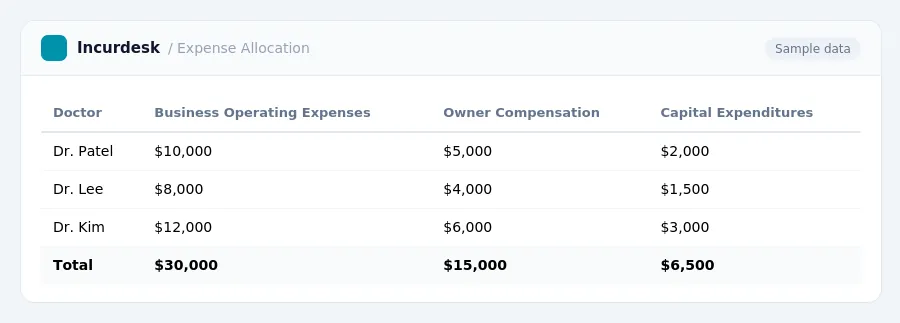
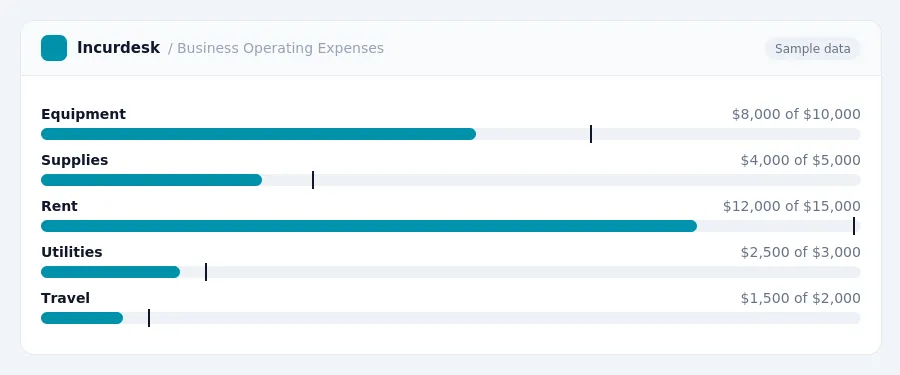
Distinguish Between Business Operating Expenses
-
When tracking expenses for your small orthodontic practice, it's essential to distinguish between business operating expenses and other categories. Business operating expenses include costs like equipment, supplies, rent, utilities, and travel. To ensure you're deducting the right expenses, keep accurate records of your business mileage.
-
This plan should outline the business purpose of each trip and require documentation, such as receipts or log entries. By tracking your mileage and following this plan, you can generate significant savings.
-
Don't forget about other qualifying expenses, such as equipment placed in service in 2026.
-
When tracking business operating expenses, make sure to keep accurate records of your expenses, including receipts, invoices, and bank statements. This will help you stay organized and ensure you're deducting the right expenses on your tax return.
Categorize Owner Compensation
To accurately track and deduct owner compensation, it's essential to understand the rules and limits. For 2026, you can expense up to $2,560,000 of qualifying equipment immediately, capped at net practice income. This means you can write off the full cost of qualifying equipment in the first year, but only up to the net practice income limit.
When categorizing owner compensation, consider the following:
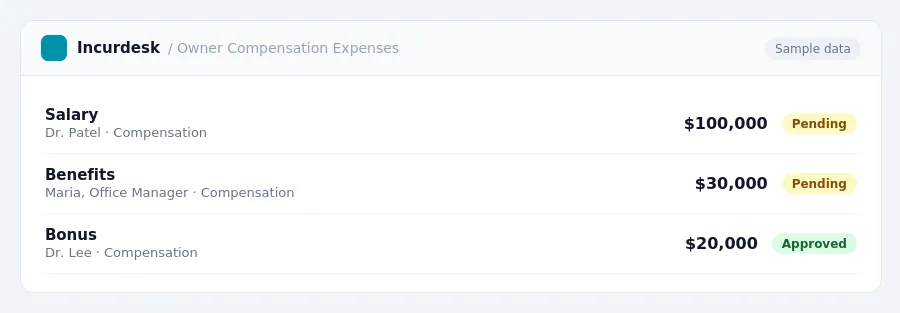
- Determine which expenses are related to owner compensation, such as salaries, bonuses, and benefits.
- Verify that these expenses are properly documented and recorded in your accounting system.
- Ensure that owner compensation is accurately reflected in your financial statements and tax returns.
Track Capital Expenditures
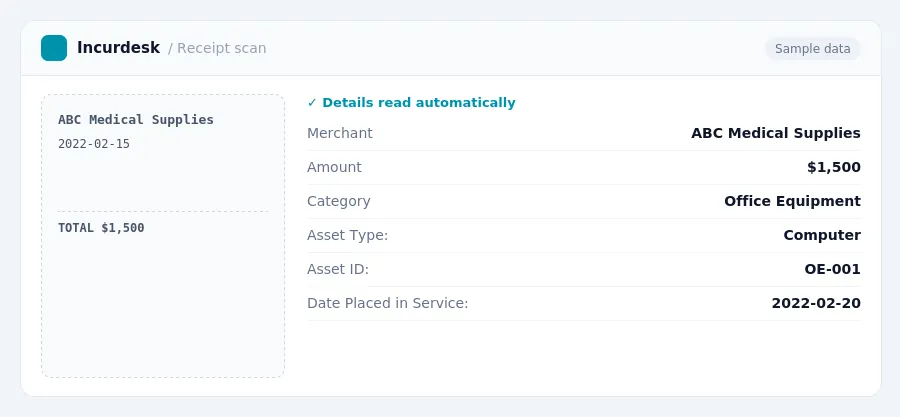
When tracking capital expenditures, also note the date each asset was placed in service, as this will determine the depreciation period and the amount of depreciation that can be claimed each year.
Key Records to Keep:
- Date each asset was purchased
- Cost of each asset
- Date each asset was placed in service
- Depreciation method used (e.g. straight-line, accelerated)
Allocate Expenses Across Multiple Doctors
- For a multi-physician practice, it's crucial to consider the entity structure when allocating expenses across multiple doctors. In a partnership, for example, each partner is personally liable for the business's debts and obligations. In an S-Corp, owners are protected from personal liability, but the entity structure affects taxes and reporting.
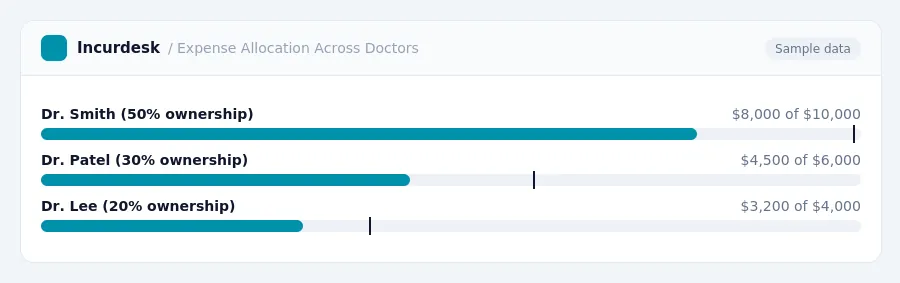
- When allocating expenses, consider the ownership percentages of each doctor. This will help ensure that expenses are distributed fairly and accurately reflect the practice's financial situation.
- Keep accurate records of all expenses, including invoices, receipts, and bank statements.
- Consider using a spreadsheet or accounting software to track and allocate expenses. This can help simplify the process and reduce the risk of errors.
- Review and adjust your expense allocation regularly to ensure it remains accurate and fair. This may involve re-evaluating ownership percentages or updating expense records.
- This may impact how you allocate expenses related to equipment purchases.
Keeping this simple: Incurdesk turns submitted expenses into clean expense reports. It is built for small orthodontic practice teams. Try it free.
Stop losing 4+ hours a week
30-day free trial · No credit card · Setup in 15 minutes