
Tracking Expenses for Short-Term Rental Properties
A practical, data-backed guide to controlling costs and automating expense workflows.
Effective expense management for property management requires accurate record-keeping, including tracking business miles, meals, and other expenses related to your rental properties. For a complete overview, see our expense management guide.
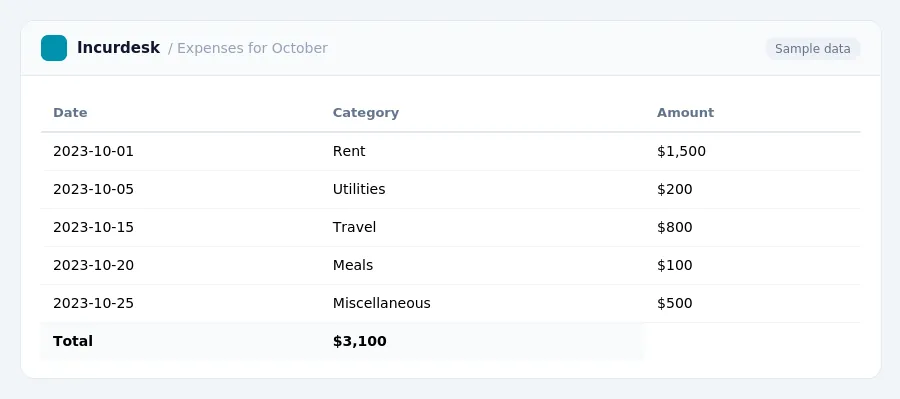
These expenses include:
- Cleaning and turnover costs
- Laundry and supplies
- Utilities
- Internet
- Property management fees
- Insurance premiums
- Advertising
- Repairs and maintenance
- Mortgage interest
- Property taxes
- Legal and professional fees
- Software used for the rental
For investment properties, there is no $750,000 debt limit that applies to personal residences.
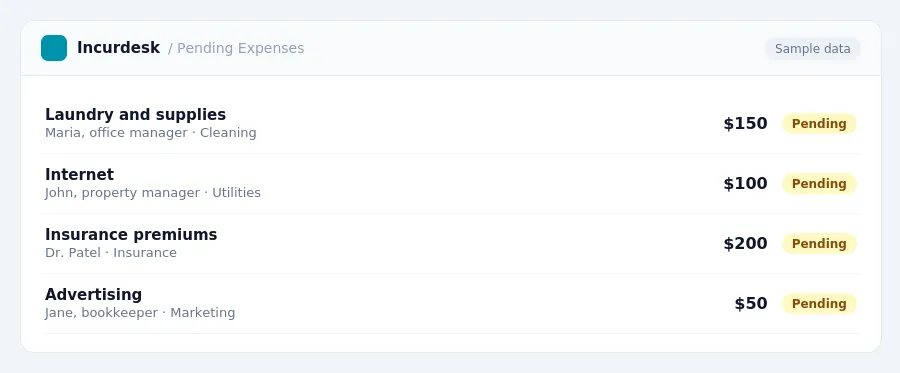
Tracking Expenses for Maximum Tax Benefits
To maximize tax benefits, you need to track expenses accurately and consistently. Start by setting up a system to record all income and expenses, including receipts, invoices, and bank statements. Consider categorizing expenses into types, such as:
- Property maintenance and repairs
- Marketing and advertising
- Utilities and services
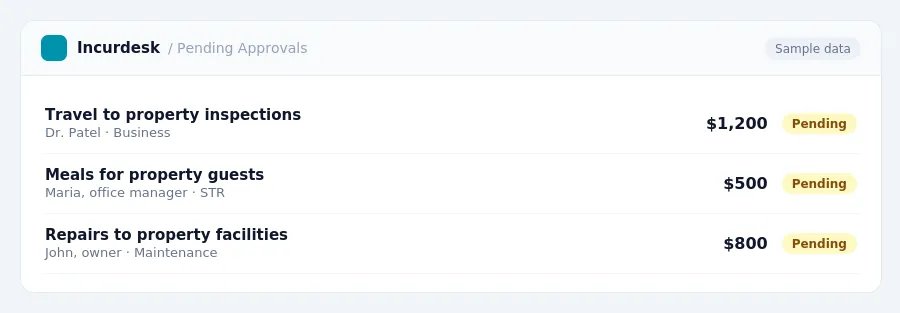
- Travel and meals
When tracking expenses, be sure to include:
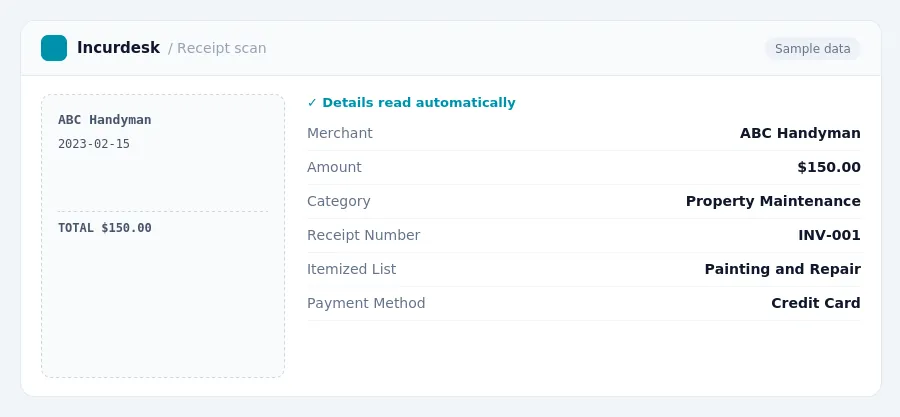
- Payment receipts and invoices
- Bank statements and cancelled checks
- Photos and notes for property condition and maintenance
- Log of guest stays, including dates and rental income
Consider using a spreadsheet or accounting software to make tracking and organizing expenses easier. Be sure to review and update your records regularly to ensure accuracy and compliance with tax laws.
To qualify for the "STR loophole" and offset non-passive income with rental losses, owners must materially participate. This typically means spending over 100 hours on the property and more time than any other individual, or spending over 500 hours on the property.
For example:
- Meals are generally 50% deductible.
- Keep accurate records of time spent on the property, including dates and hours worked.
Maximizing Depreciation and Bonus Depreciation
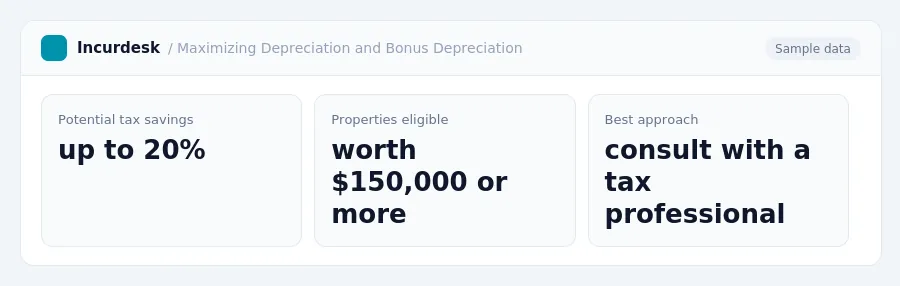
Cost segregation studies can help you reclassify building components into shorter depreciation periods, making them eligible for bonus depreciation. This is most valuable for properties worth $150,000 or more.
Here's an example:
By reclassifying these components, you can accelerate depreciation and claim bonus depreciation, which can result in significant tax savings. Be sure to consult with a tax professional to determine the best approach for your property.
Accurate Record-Keeping for Audits and Compliance
To ensure compliance with tax laws and avoid audits, it's essential to maintain accurate and detailed records of your short-term rental property expenses. This includes keeping track of all income and expenses, as well as any repairs, maintenance, and improvements made to the property.
Keep receipts and records for all business-related expenses, including:
- Utility bills
- Repair and maintenance costs
Residential rental property is generally depreciated over 27.5 years. Keep records of all depreciation expenses, including bonus depreciation, if applicable.
Review your records regularly to ensure accuracy and completeness. Consider consulting a tax professional to ensure compliance with all tax laws and regulations.
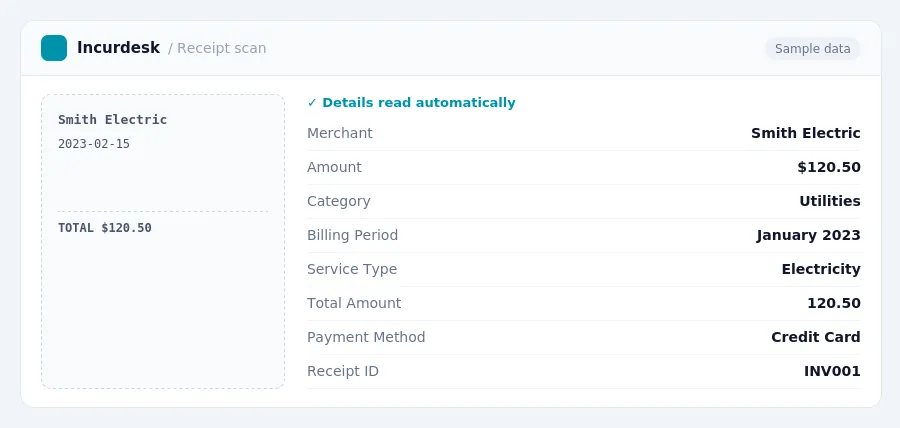
Keeping this simple: Incurdesk turns submitted expenses into clean expense reports. It is built for small property management teams. Try it free.
Stop losing 4+ hours a week
30-day free trial · No credit card · Setup in 15 minutes