
Tracking Grant-Funded Program Expenses at a Museum
A practical, data-backed guide to controlling costs and automating expense workflows.
As a small museum or historical society, tracking grant-funded program expenses is crucial to maintaining a positive relationship with your funders and ensuring responsible stewardship of their resources. To achieve this, you'll need to understand the specific rules and restrictions of each grant, maintain accurate financial records, and comply with grantor requirements. Utilizing small museums or historical societies expense management software can help streamline this process and reduce the risk of errors or non-compliance.
Define Grant Expenses and Budget Line Items
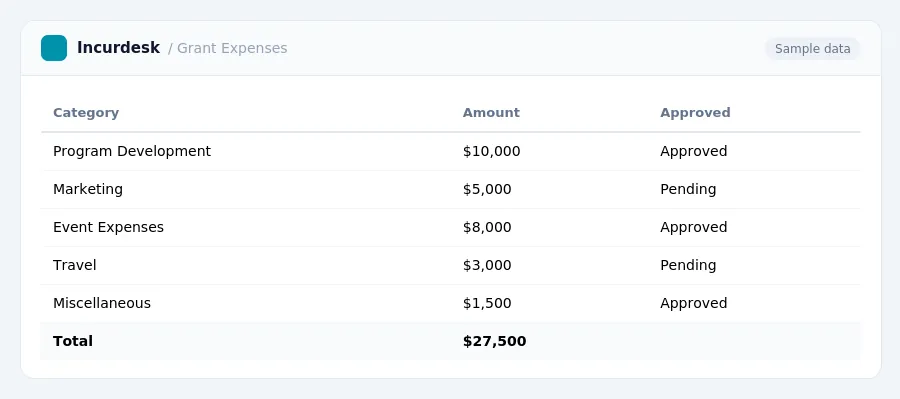
- Start by reviewing the grant agreement to understand the specific expenses and budget line items outlined by the grantor. Identify the categories of expenses that are allowed, such as personnel, travel, and equipment, and determine the budget allocations for each category. Make sure to note any restrictions or limitations on expenses, such as allowable costs, unallowable costs, and any specific documentation requirements.
-
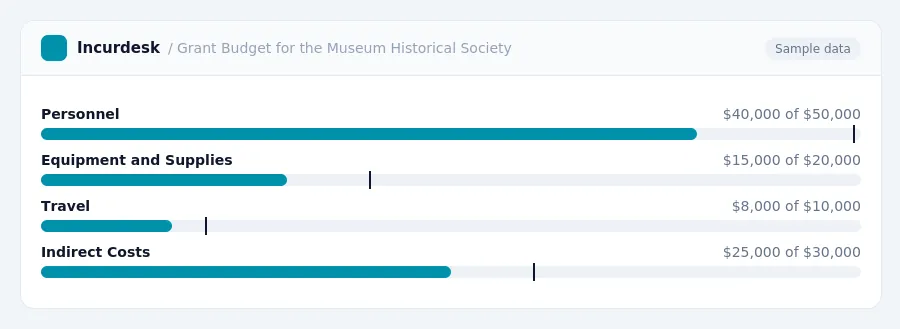
Break down the grant budget into detailed line items, such as:
- Personnel costs, including salaries, benefits, and travel expenses for employees and volunteers
- Equipment and supplies, including purchases, rentals, and maintenance costs
- Travel expenses, including transportation, accommodations, and meal costs
- Indirect costs, such as overhead, utilities, and insurance
- Consider the Uniform Guidance (2 CFR Part 200) requirements for cost principles and administrative requirements for financial management systems. Ensure that your grant expense tracking system meets these requirements, including the need for reasonable, allowable, and allocable expenses.
- If allowed by the funder, track indirect or overhead costs, such as payroll and rent, to understand the overall management cost of the grant. If not allowed, calculate these costs to ensure accurate reporting and compliance.
Track Grant Revenue and Expenses Separately
-
Track grant revenue and expenses separately from general operating funds. This can be achieved by using a unique budget category, account, class, or project code in the accounting system.
This ensures that grant funds are not commingled with general operating funds, making it easier to track and report on grant expenses.
-
Consider using specialized grant management software to track grant revenue and expenses. This type of software can help you:
- Track application deadlines
- Manage budgets against award terms
- Schedule reporting milestones
- Centralize documentation
This can help reduce compliance risk and make it easier to meet grantor requirements.
Document All Expenditures and Revenues
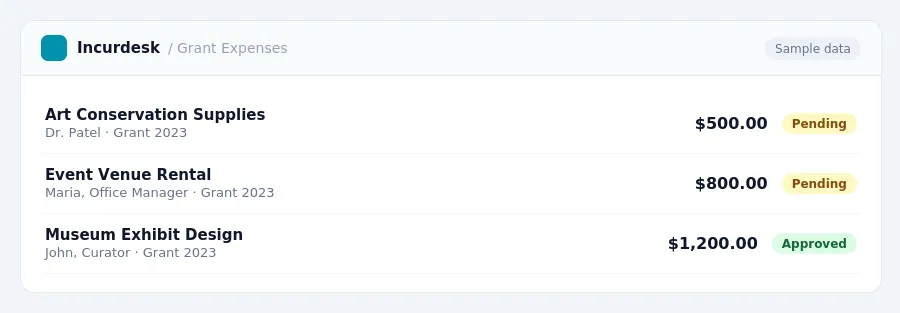
Documenting all expenditures and revenues is a crucial step in tracking grant-funded program expenses at your museum. To ensure you have the necessary records, start by gathering and organizing the following documents:
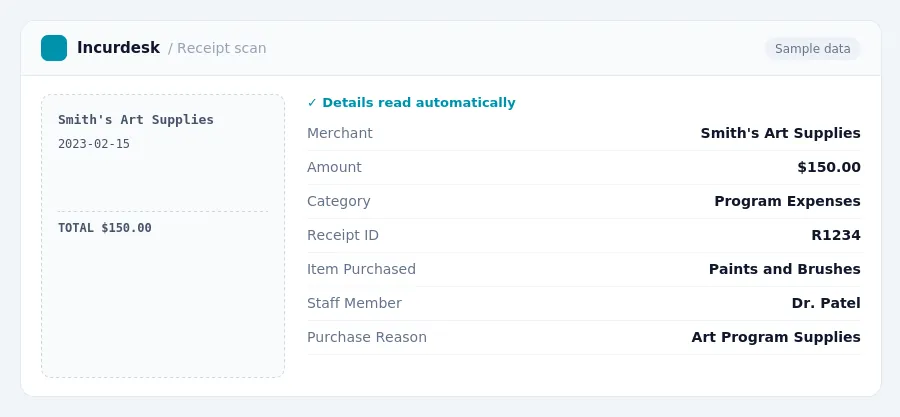
- Receipts for all purchases, including supplies, materials, and equipment
- Invoices from vendors and contractors
- Contracts and agreements with service providers
- Timesheets for staff and volunteers, including hours worked and tasks completed
This will help you prove expenditures and simplify funder reports. It's also essential to categorize expenses into three main areas:
- Program expenses: directly related to your mission
- Management and general expenses: running your organization
- Fundraising expenses: soliciting donations
Identify and Adhere to Allowable Expenditures
Museums must carefully review the grant agreement and identify any specific restrictions or requirements outlined by the grantor. This may include restrictions on the use of funds for lobbying activities or other prohibited purposes. Review the grant agreement and familiarize yourself with any specific rules or regulations.
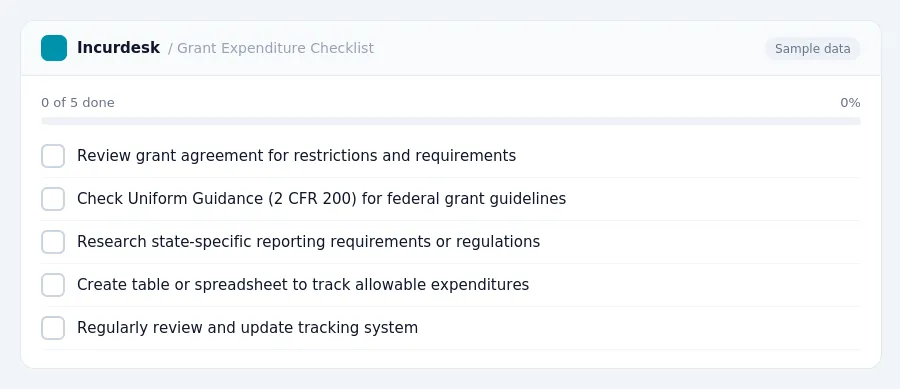
Check the Uniform Guidance (2 CFR 200) for federal grant guidelines, which apply nationwide. Additionally, if the grant is awarded by a state agency, research the state's specific reporting requirements or regulations.
Create a table or spreadsheet to track allowable expenditures and funding restrictions. This will help you stay organized and ensure compliance with grant requirements.
Regularly review and update your tracking system to ensure you are meeting the grant's requirements and avoiding any prohibited expenditures.
Document all allowable expenditures and keep records of receipts, invoices, and other supporting documentation. This will help you demonstrate compliance with grant requirements and provide evidence of responsible stewardship of grant funds.
Monitor and Report Grant Spending Regularly
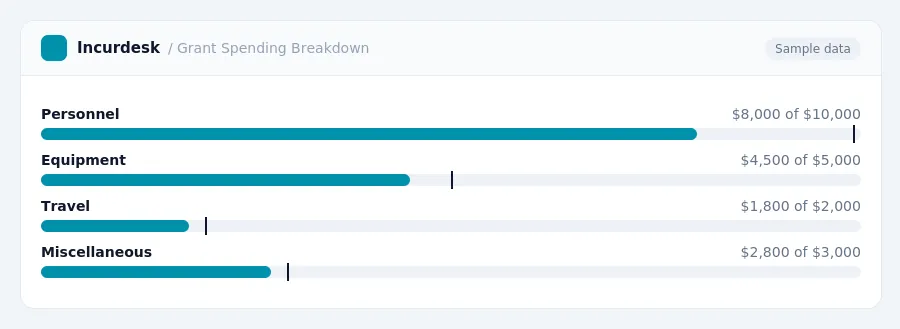
- Regularly monitor grant spending by comparing actual spending to budgeted allocations. This can be done monthly or quarterly to ensure compliance and keep spending on track. Review your budget and track expenses against it to identify any discrepancies or areas where spending may be getting off track.
- Keep accurate records of grant spending, including receipts, invoices, and bank statements. This will help you to quickly and easily track spending and make adjustments as needed. Consider using a spreadsheet or other tool to help you keep track of your spending and stay organized.
- Review your spending regularly with your team and grantors to ensure that you are meeting the requirements of the grant and staying on track to complete the project. This can help to identify any issues early on and prevent problems from arising later.
- Be prepared to report your spending regularly to your grantors. This may involve submitting regular reports or providing access to your financial records. Make sure you understand what is required and plan accordingly.
- Stay up to date with changes in accounting standards and grant regulations. This will help you to ensure that you are in compliance with all requirements and can make any necessary adjustments to your tracking and reporting systems.
Some specific accounting standards, like those from the Financial Accounting Standards Board (FASB), can influence how nonprofits report their finances. Be sure to check these resources for the most up-to-date information.
For example, under Generally Accepted Accounting Principles (GAAP), nonprofits are required to track and report their grant spending separately from their other revenues and expenses.
Regularly reviewing your spending and staying organized will help you to ensure compliance and make the most of your grant funds.
Keeping this simple: Incurdesk turns submitted expenses into clean expense reports. It is built for small small museum historical society teams. Try it free.
Stop losing 4+ hours a week
30-day free trial · No credit card · Setup in 15 minutes