Tracking HVAC Equipment Install Job Costs
A practical, data-backed guide to controlling costs and automating expense workflows.
Small HVAC contractors need to accurately track the costs associated with each installation job to understand profitability and manage their business finances. This involves meticulously recording direct labor, materials, equipment, and overhead for each project. The costs of these components vary widely, with materials and equipment costs accounting for the majority of expenses, followed by labor and overhead. For the bigger picture, see our guide to hvac contractor expense management software.
Tag every case to a dentist
The first step in accurately tracking HVAC equipment install job costs is to identify the equipment costs and overhead associated with each project. This includes:
- Direct labor costs, including base pay plus payroll taxes (7.65% FICA, state/federal unemployment), workers' compensation insurance (4-8% of payroll for HVAC), health benefits, and paid time off.
- Equipment costs, such as air handlers, chillers, and boilers, which can vary widely in cost depending on the type, size, and age of the equipment.
- Overhead costs, including rent, utilities, and maintenance, which can also vary depending on the location and size of the job.
To tag every case to a dentist, simply record the total cost of equipment and overhead for each job, including the cost of labor. This will provide a comprehensive picture of the true cost of running a HVAC business.
For example, if a job requires the installation of a new air handler, the total cost of equipment and overhead would include:
- The cost of labor, which would include the technician's hourly rate of $32, plus payroll taxes and benefits.
- The cost of overhead, which would include rent, utilities, and maintenance, which can add up quickly.
By tagging every case to a dentist, you can accurately track the costs of each job and make informed decisions about pricing, pricing strategies, and managing your business finances.
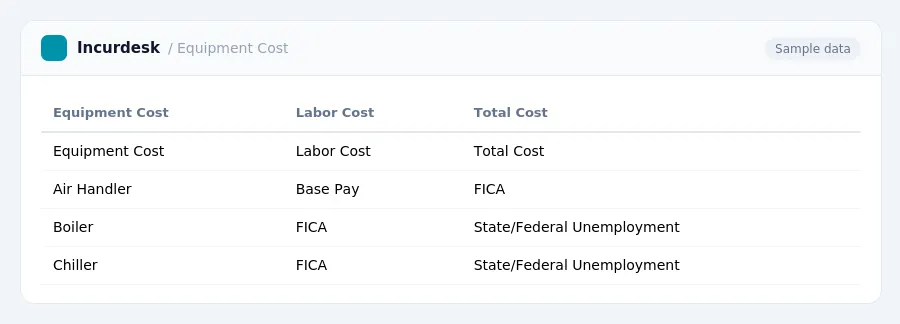
Identify equipment costs and overhead
- This involves categorizing and recording the direct costs of HVAC equipment and overhead for each job. These include the cost of the equipment itself, maintenance and repair costs, and any utility bills or insurance premiums related to the equipment.
- Accurately record the costs of equipment and overhead. This should be done using a standardized system that is easy to follow and maintain. The costs should be recorded in a separate section from the job records to avoid any confusion.
- Determine the depreciation and amortization of equipment. This involves calculating the cost of the equipment over its useful life and then allocating the cost of the equipment to the jobs for which it is used. The cost of the equipment can be depreciated over a shorter period, such as 5, 7, or 15 years, depending on the type of equipment and its intended use.
- Calculate the profit and overhead for each job. This can be done by subtracting the cost of equipment and overhead from the revenue generated by the job. The profit and overhead can then be allocated to the technician or the business as needed.
Record and track equipment costs
When tracking equipment costs for HVAC installation jobs, it's essential to maintain accurate and detailed records. This ensures that you can accurately calculate equipment depreciation and amortization, which is crucial for managing your business finances.
First, you'll need to identify the types of equipment used in each job, such as HVAC units, ductwork, and components. Be specific about the equipment and its components, including the manufacturer, model number, and part numbers.
Next, record the cost of each piece of equipment, including the purchase price, installation costs, and any applicable taxes or insurance premiums. You may need to obtain receipts or invoices for these costs, so make sure to save them.
It's also crucial to track the cost of maintenance and repair services, including parts and labor. This will help you to accurately calculate depreciation and amortization for future jobs.
When recording equipment costs, be sure to include all applicable tax implications, such as payroll taxes, workers' compensation insurance, and health benefits. You may need to consult with a tax professional to ensure you're taking advantage of all eligible deductions.
Finally, keep accurate records of equipment maintenance and repair costs, including dates, descriptions of work performed, and corresponding costs. This will help you to track depreciation and amortization over time and make informed business decisions.
Determine equipment depreciation and amortization
- Identify the relevant codes and regulations that govern the depreciation and amortization of HVAC equipment in your area. These may include the International Code Council's (ICC) International Building Code (IBC) and the International Energy Conservation Code (IECC), as well as local building codes and regulations.
- Determine which HVAC systems are eligible for bonus depreciation under the Qualified Improvement Property (QIP) program. These systems must be installed after the building was first placed in service and must meet specific requirements, such as being a major component of the building's energy-efficient design.
- Calculate the annual bonus depreciation for the eligible HVAC systems. This will depend on the age of the equipment and the specific requirements of the QIP program.
- Calculate the total depreciation and amortization for the HVAC equipment over its useful life. This will include the annual bonus depreciation, plus any depreciation or amortization of the equipment's other components, such as ductwork, piping, and controls.
- This will help you to understand the true cost of labor and to accurately allocate profit and overhead for future jobs.
Calculate job profit and overhead allocation
- Identify the total revenue generated from each job installation. This includes the total amount of money earned from selling HVAC services to customers.
- Calculate the total cost of direct labor for the job. This includes the cost of hiring and paying the technicians who installed the HVAC equipment.
- Record and track the total cost of materials used in the job. This includes the cost of purchasing and installing the HVAC equipment, as well as any materials required for the installation process.
- Determine the total cost of equipment used in the job.
- Calculate the total overhead costs for the job. This includes the cost of rent, utilities, insurance, and other overhead expenses associated with running the business.
- Calculate the job profit by subtracting the total overhead costs from the total revenue generated from the job.
- To determine the allocated overhead costs for the job, divide the total overhead costs by the total job cost (total revenue minus total direct labor, materials, subcontractors, and allocated overhead).
Tax rules, limits and rates change. Confirm current figures with the IRS or your accountant before you file.
Keeping this simple: Incurdesk turns submitted expenses into clean expense reports. It is built for small hvac contractor teams. Try it free.
AI expense management for finance teams and whoever keeps the books. It checks every expense against your rules, approves the routine ones and chases missing receipts for you.
Try it free for 30 days →Stop losing 4+ hours a week
30-day free trial · No credit card · Setup in 15 minutes