
Tracking Marketing Spend for Small Accounting Practices
A practical, data-backed guide to controlling costs and automating expense workflows.
To maximize tax savings and demonstrate return on investment for marketing efforts, it's essential to accurately track marketing spend. Accounting software with expense management for under $10/user (2026) can help simplify the process. For the bigger picture, see our guide to accounting expense management for under $10/user (2026).
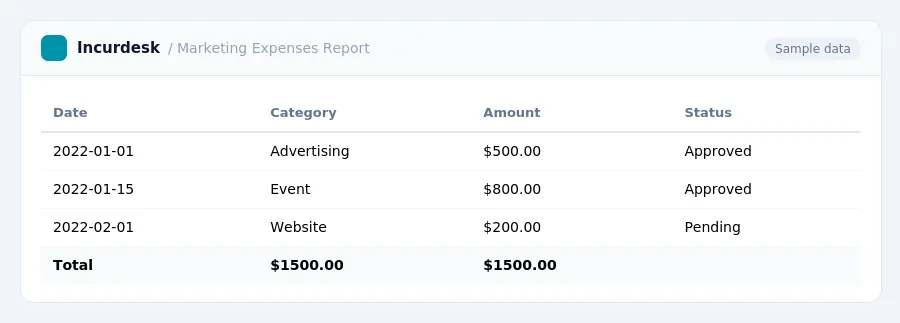
Determine Your Marketing Budget
When it comes to determining your marketing budget, consider the size and revenue of your accounting practice. Established accounting firms typically allocate 2-5% of revenue to marketing. To calculate your budget, start by reviewing your annual revenue.
Consider your specific business needs and goals when deciding on your marketing budget. You may want to allocate more funds to certain areas, such as digital marketing or networking events. Be sure to prioritize your spending and make the most of your budget.
It's also essential to review your budget regularly and adjust it as needed. As your business grows or changes, your marketing needs may shift. Make sure to regularly assess your marketing strategy and adjust your budget accordingly.
Remember to regularly review and adjust your budget to ensure it aligns with your business goals and needs.
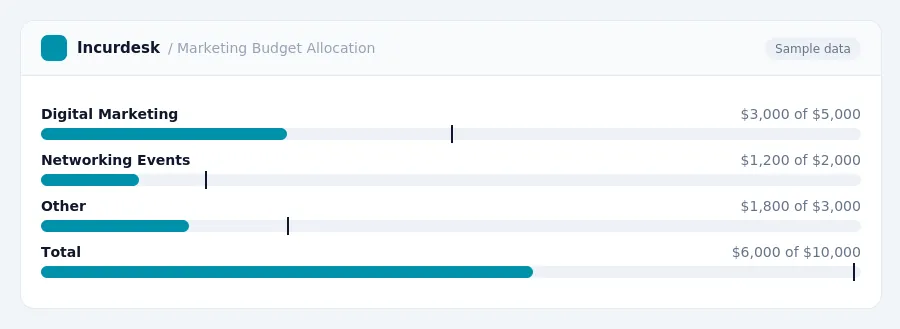
Identify Qualified Marketing Expenses
-
- Examples of qualified expenses include:
- Website development and maintenance costs
- Paid advertising on social media and search engines
- Email marketing platform fees
- Branding and content creation expenses
- Traditional advertising costs, such as print, radio, and TV ads
- Public relations fees
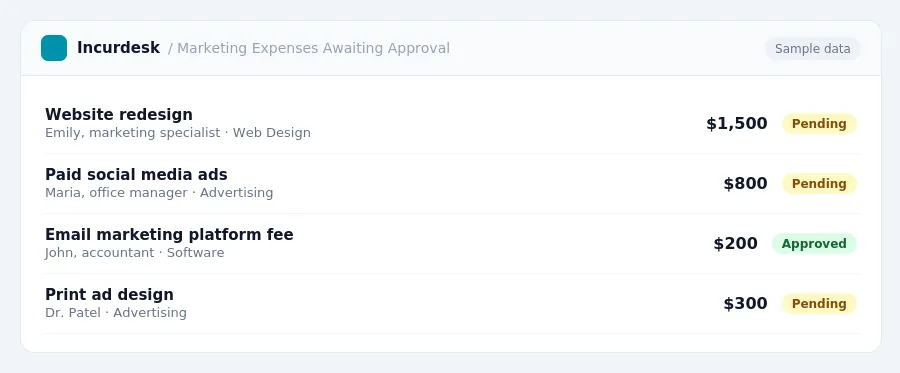
Expenses waiting for approval as marketing manager (sample data) Track Marketing Expenses
- Set up a system to track marketing expenses. This can be a spreadsheet, a budgeting tool, or a combination of both. Make sure it's easy to use and understand, and that you can access it from anywhere.
- Consider setting up separate accounts for different marketing channels, such as social media, email marketing, and advertising. This will help you see how much you're spending on each channel and make it easier to track your return on investment.
- Be sure to track both the cost of the marketing service or product, and any related expenses, such as travel or training costs.
- Regularly review your marketing expenses to ensure you're staying within your budget and to identify areas where you can cut back.
- Keep receipts, invoices, and other records for all marketing expenses.
- Consider using a centralized system to track marketing expenses, such as a project management tool or a marketing automation platform.
- Make sure to track expenses in real-time, so you can see how much you've spent at any given time.
- Use a system that allows you to easily categorize and code expenses, so you can quickly see what you've spent on different marketing channels.
- Consider setting up automatic expense tracking, such as through your accounting software, to save time and reduce errors.
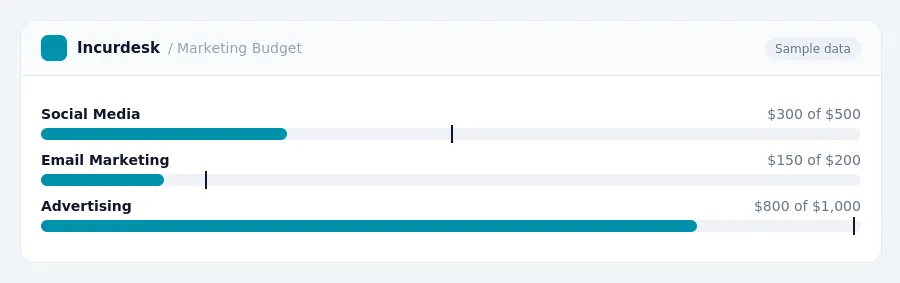
Marketing budget breakdown for small accounting practices (sample data) - Add up the costs of all qualified expenses to find the total amount.
- Compare your marketing expenses to your revenue. To ensure you're staying within a reasonable budget, compare your marketing expenses to your revenue.
- Consider the tax implications of your marketing expenses.
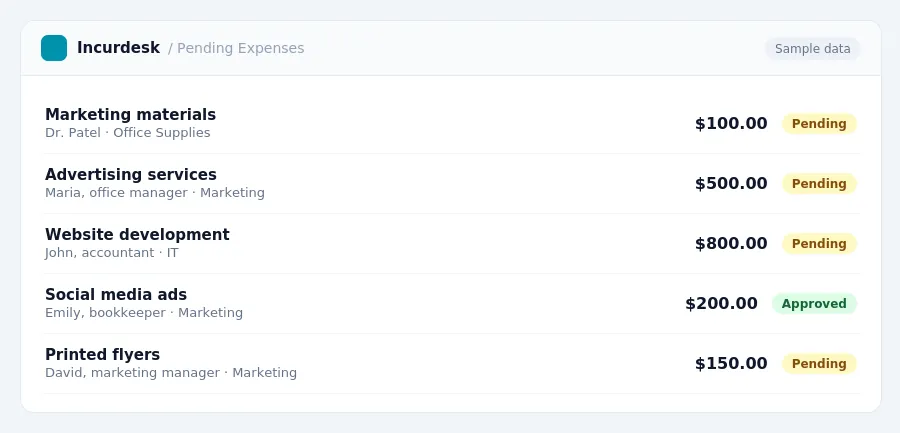
Expenses waiting for approval as office manager (sample data) Avoid Common Pitfalls
-
Be cautious when classifying an expense as ordinary and necessary. An expense is considered ordinary if it's common and accepted in your industry, and necessary if it's helpful and appropriate for your business.
-
Don't overlook the importance of documentation. This will help you demonstrate the legitimacy of your expenses in case of an audit.
-
Avoid mixing personal and business expenses. Ensure that all marketing expenses are related to your business and not for personal use.
-
This includes receipts, invoices, and bank statements related to your marketing expenses.
-
However, this percentage may vary depending on your specific business needs and industry. Don't feel pressured to allocate a certain percentage, but rather focus on allocating your marketing budget effectively.
-
Familiarize yourself with these guidelines and ensure that your marketing expenses align with them.
-
Don't forget to review and update your marketing budget regularly. This will help you stay on track with your expenses and ensure that you're allocating your budget effectively.
-
Finally, be prepared to demonstrate the return on investment (ROI) of your marketing expenses.
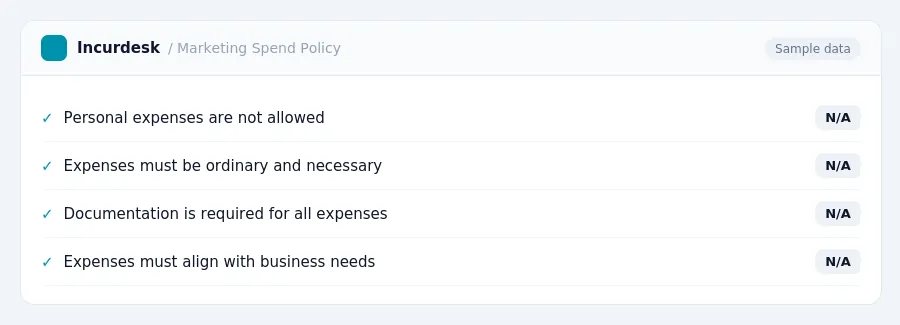
Expense rules for marketing spend (sample data)
Keeping this simple: Incurdesk collects every receipt and expense report in one place, so spending is easy to review. It is built for small accounting teams. Try it free.
Stop losing 4+ hours a week
30-day free trial · No credit card · Setup in 15 minutes