
Tracking Material Purchases per Electrical Job
A practical, data-backed guide to controlling costs and automating expense workflows.
Small electrical contractors need to accurately track material purchases for each job to ensure profitability and maintain accurate financial records. To do this, it's essential to understand which costs are directly attributable to a job and how to handle sales tax on materials. By leveraging electrical contractor expense management software
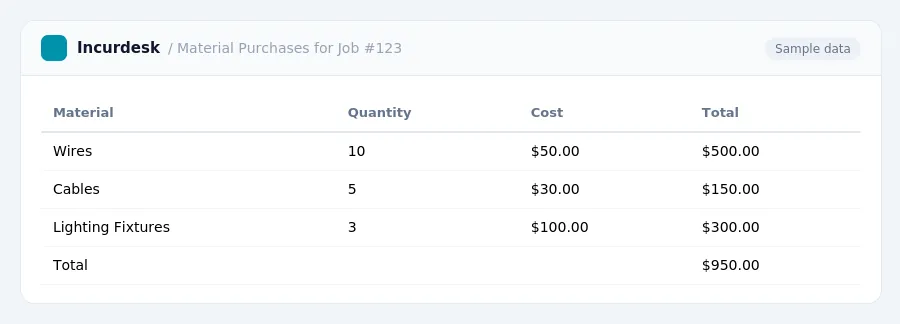
Track Materials Purchases for Each Job
- Designate a system for tracking materials purchases for each job. This can be a spreadsheet or a database, and it's essential to choose a method that works for your business. Make sure to include columns for the job number, material description, quantity, cost, and total cost. This will help you keep accurate records and ensure that you're tracking the correct costs for each job.
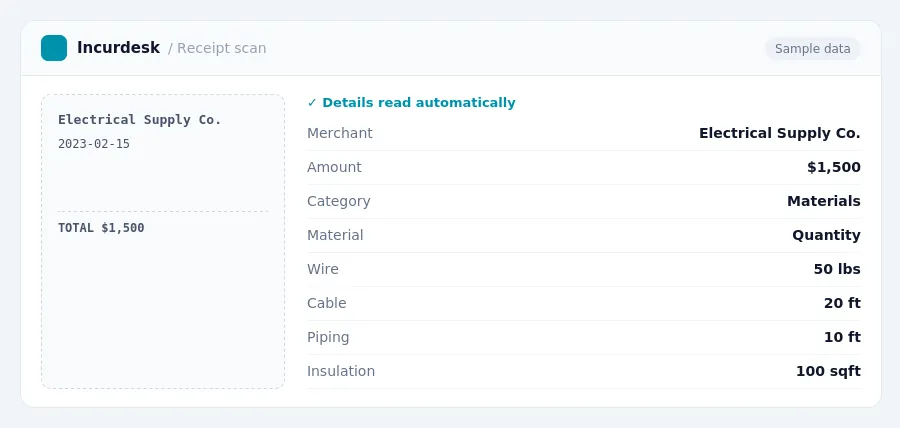
- Keep all receipts and invoices for materials purchases in a designated folder or digital file. This will make it easier to refer back to the original documents when tracking costs or preparing tax returns. Consider scanning receipts and storing them digitally to save space and reduce clutter.
- Assign a unique identifier to each job, and use this identifier to track all materials purchases for that job. This will help you keep costs organized and ensure that you're not mixing up expenses between different jobs.
- Set up a process for regularly updating your tracking system. This could be daily, weekly, or monthly, depending on your business needs. Make sure to review your tracking system regularly to ensure that it's accurate and up-to-date.
- Consider implementing a markup on materials purchases, as electricians commonly use a 25-35% markup on materials due to sourcing complexity and carrying costs. This will help you account for the cost of purchasing and storing materials.
- Keep records of all materials purchases, including receipts and invoices, for at least three years in case of an audit. This will help you demonstrate that you're tracking costs accurately and complying with tax regulations.
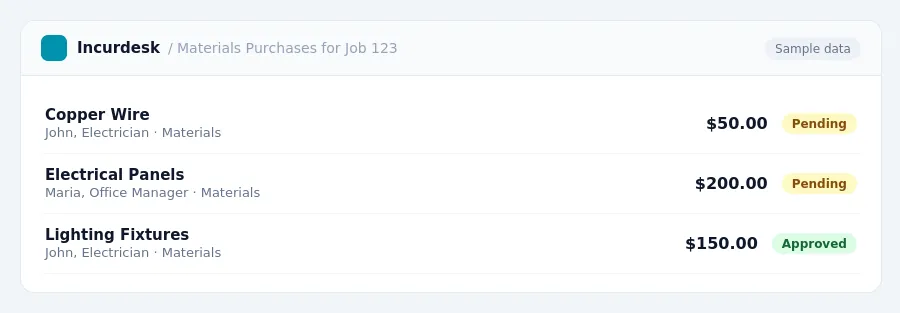
Determine Directly Attributable Costs
- Identify Directly Attributable Costs Directly attributable costs are expenses that can be directly tied to a specific job. These may include materials, labor, and equipment rentals. To identify these costs, review each job's purchase orders, invoices, and receipts to determine which expenses are directly related to that job. Consider factors such as the type of material, the quantity used, and the job's specific requirements.
- Classify Costs as Direct or Indirect Once you've identified the costs, classify them as either direct or indirect. Direct costs are those that can be directly attributed to a job, while indirect costs are those that benefit the business as a whole, such as insurance and overhead.
- Apply a Markup to Materials When tracking material purchases, it's essential to apply a markup to account for sourcing complexity and carrying costs. Electricians commonly use a 25-35% markup on materials, but this may vary depending on your specific business and market conditions. Be sure to review your costs and adjust your markup accordingly.
Allocate Bulk Materials to Each Job
- Allocate bulk materials to each job based on usage. To do this, you'll need a materials log or field tracking system to keep track of how much of each material is used on each job. This will help you accurately allocate the cost of bulk materials to each job.
- For example, if you purchase 100 pounds of wire in bulk and use 20 pounds on Job A and 30 pounds on Job B, you'll allocate the cost of 50 pounds (20 + 30) of wire to Job A and Job B, and the remaining 10 pounds to other jobs or inventory.
- Keep in mind that the cost of bulk materials should be allocated over time, rather than all at once. You may need to adjust your allocation as you receive new materials or use up existing stock.
- This will help you ensure that you're accounting for the full cost of materials, including any additional expenses.
- It's also a good idea to regularly review your materials log and field tracking data to ensure that your allocation of bulk materials is accurate and up-to-date.
Account for Sales Tax on Materials
In many states, contractors act as the consumer of materials and pay sales tax at the time of purchase. This cost is then built into the job's price. For example, in Kansas, contractors are generally considered the final user of materials and must pay sales or use tax on them at the time of purchase. Labor services for installing materials are also generally subject to sales tax.
When tracking material purchases for each job, be aware of the sales tax rate in your state and the specific tax laws that apply to your business. If you're unsure about your state's sales tax laws, consult with your accountant or tax professional.
To account for this cost, you can factor in a sales tax rate when calculating the total cost of materials for each job.
You can then build this cost into the job's price, taking into account any applicable markup or profit margin.
When allocating sales tax costs to each job, be sure to track the total amount of sales tax paid on materials and apply it to the relevant job expenses. This will ensure that you're accurately accounting for sales tax costs and maintaining compliance with state tax laws.
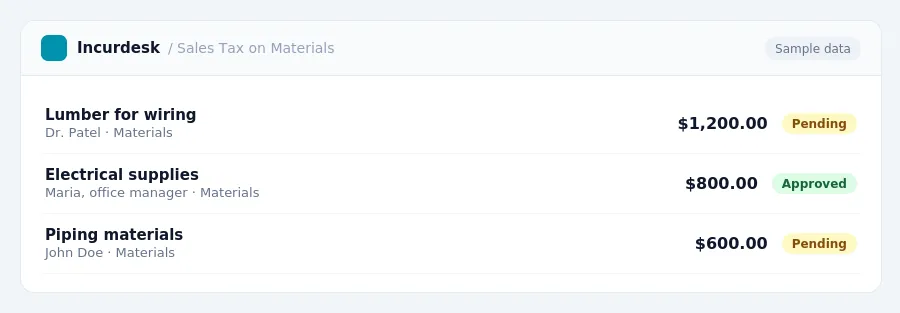
- Organize your material expenses into a spreadsheet or accounting system, categorizing each expense by job. This will help you see which materials are most expensive and where you can optimize your costs. Consider using a template or creating a customized system that works for your business.
- Regularly review your material expenses to identify areas where you can reduce costs. This might involve negotiating better prices with suppliers, looking for alternative materials, or streamlining your purchasing process.
- They can help you navigate the tax code and identify opportunities for savings.
- Consider implementing a 25-35% markup on materials to account for sourcing complexity and carrying costs, as recommended by industry experts. This will help you maintain profitability and ensure you're not losing money on materials.
- Make sure to store receipts, invoices, and other supporting documentation in a safe and accessible location.
Keeping this simple: Incurdesk turns submitted expenses into clean expense reports. It is built for small electrical contractor teams. Try it free.
Stop losing 4+ hours a week
30-day free trial · No credit card · Setup in 15 minutes