Tracking Paint and Supply Costs per Painting Job
A practical, data-backed guide to controlling costs and automating expense workflows.
Tracking paint and supply costs per painting job is a critical aspect of running a successful small painting contractor business. As a business owner or office manager, you need a clear understanding of how to accurately track and manage these costs to ensure profitability, accurate bidding, and compliance with regulations. Effective paint and supply management can help you make informed decisions, optimize your pricing, and minimize waste, ultimately driving your business forward. For the bigger picture, see our guide to painting contractors expense management software.
Tag every case to a dentist
When it comes to painting contractor business, it's essential to ensure compliance with safety regulations. One critical aspect is protecting workers from paint fumes. This is particularly important for painting jobs that involve working with hazardous materials or in confined spaces.
To tag every case to a dentist, follow these steps:
- Create a new case label in your project management software, specifically for the dentist.
- Set the label to "Dentist" and enter the relevant information, such as the name and contact details of the dentist.
- Consider creating a separate case label for the dentist, if available, to keep track of all cases involving the dentist.
- Review and update the case label regularly to ensure it remains accurate and up-to-date.
Tag every case to a supplier
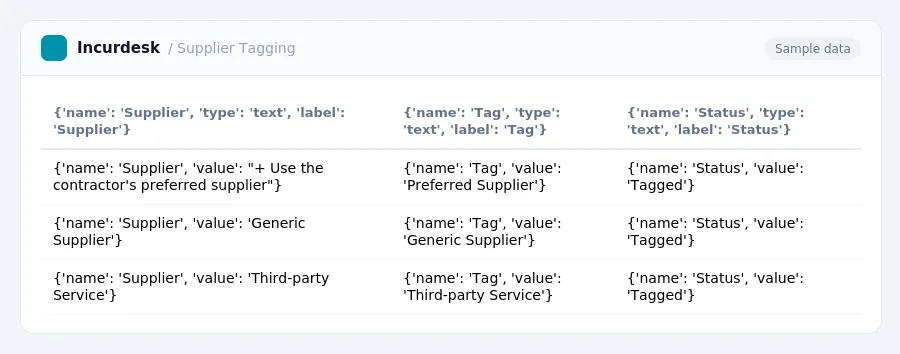
When it comes to tracking paint and supply costs for each job, it's essential to have a clear and organized system. Here's how to tag every case to a supplier:
When a painting contractor receives a new order, they need to tag the case to a supplier to ensure accurate tracking and billing. To do this, follow these steps:
* Start by tagging the case to a supplier using the following criteria: + Use the contractor's preferred supplier, but also consider using a generic supplier for large orders to avoid additional fees. + Make sure the supplier has a trackable shipping label and a reliable shipping method. * If the contractor has a specific supplier in mind, tag the case to that supplier. If not, tag the case to the generic supplier. * If the contractor is using a third-party service to handle inventory management, tag the case to that service as well.
This will help the contractor to:
- Keep accurate records of paint and supply purchases
- Ensure timely payment from the supplier
- Receive a detailed invoice with all relevant information
By following these steps, contractors can ensure that their paint and supply costs are accurately tracked and billed to the right supplier. This will help to improve profitability, reduce errors, and ensure compliance with regulatory requirements.
Tag every case to a customer
This is crucial for accurate billing, as it affects the pricing and tax implications. Here's how to do it:
- For each painting job, tag the customer in the project management software or database. This is typically the owner or property manager of the building where the painting will take place.
- If the customer is not explicitly mentioned in the job description or agreement, tag the project manager as the customer. This is because the project manager is usually responsible for coordinating with the customer and obtaining necessary information.
- If the customer is a specific company or organization, such as a local business or government agency, tag the project manager as the customer. This ensures that the contractor is providing services to the correct entity.
- For some painting jobs, the customer may be a specific individual, such as a resident or tenant. In these cases, tag the customer as the individual.
- The customer tag is usually added to the project file, along with the job details and other relevant information. This helps the contractor to clearly identify the customer and ensure that they are billing correctly.
By following these steps, contractors can accurately track paint and supply costs for each job and provide clear and concise information to customers.
Tag every case to a project manager
Here's how to tag each case to the corresponding project manager:
- When a project manager assigns a new painting job, tag the case with "Project Manager" to ensure it's properly recorded.
- When a project manager reviews the case for payment, tag it with "Payment" to ensure the correct amount is allocated.
- When a project manager sets deadlines for paint and supply ordering, tag it with "Order Deadline" to ensure timely ordering.
- When a project manager requests that you review and approve the paint and supply costs before bidding on the next job, tag it with "Cost Approval" to ensure the costs are accurately reflected.
- When a project manager indicates that specific paint and supply requirements need to be met for the next job, tag it with "Special Requirements" to ensure compliance.
By following these steps, you'll ensure that each case is properly tagged and accurately recorded, which will help you stay organized and compliant with industry regulations.
Tag every case to a client
To achieve this, you need to tag every case to a client. Here's how:
When you start a new project, tag each client with the project details, including the client's name, contact information, and project description. You should also tag the client's payment terms and any relevant deadlines.
For paint and supply costs, you can use the following categories to track the data:
- You can vary this rate based on the type of paint and the client's specific needs.
- Supplies: Tag the client for any specific supplies, such as rollers, brushes, or drop cloths. You can use a standard rate for these supplies, but be sure to track any variations, such as specialty equipment or materials.
When tracking paint and supply costs, be sure to include the following information:
- Quantity: Calculate the number of gallons or units of supplies used for each project.
- Unit price: Multiply the quantity by the unit price to get the total cost.
- Total cost: Add up the total cost for each project to get the overall paint and supply cost.
Finally, be sure to tag every case to a client to ensure you have a clear record of the project details and costs. This will help you track profitability, make informed decisions, and ensure compliance with relevant regulations and rules.
Tax rules, limits and rates change. Confirm current figures with the IRS or your accountant before you file.
Keeping this simple: Incurdesk turns submitted expenses into clean expense reports. It is built for small painting contractor teams. Try it free.
AI expense management for finance teams and whoever keeps the books. It checks every expense against your rules, approves the routine ones and chases missing receipts for you.
Try it free for 30 days →Stop losing 4+ hours a week
30-day free trial · No credit card · Setup in 15 minutes