
Tracking Sample and Material Board Costs
A practical, data-backed guide to controlling costs and automating expense workflows.
Small architecture businesses can deduct the costs associated with material sample boards, but it's essential to understand which costs are deductible and how to track them for tax purposes. To maximize potential tax savings, it's crucial to accurately track these expenses and stay compliant with IRS regulations. Utilizing a comprehensive expense management system, such as architecture expense management for under $10/user (2026), can help streamline this process.
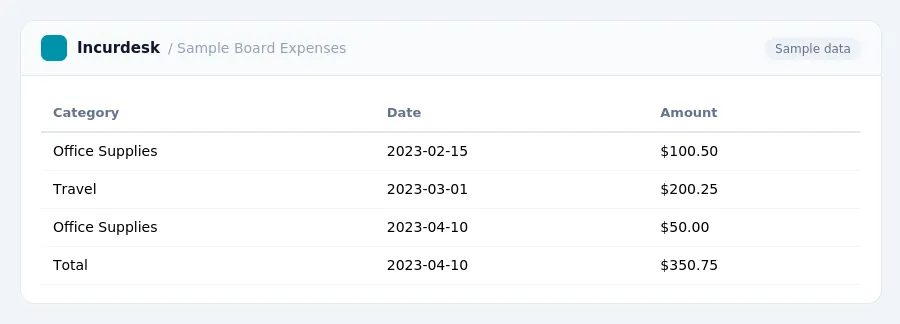
Determine Which Costs Are Deductible
As an architecture firm, you can deduct ordinary and necessary business expenses under IRC 162. This includes costs for certain materials and supplies. For example, if you purchase drafting supplies or printing materials, these costs may be deductible as business expenses.
-
Section 263(a) of the IRC requires capitalization of costs for acquiring, producing, or improving tangible property. However, materials and supplies used in the current tax year, for which inventory is not kept, can generally be deducted as business expenses.
-
The AICPA provides standards for accounting and review services (SSARS), which guide financial reporting practices.
-
When determining which costs are deductible, consider the following factors: the type of material or supply, the purpose for which it was purchased, and whether inventory is kept. By carefully evaluating these factors, you can ensure that you are taking advantage of all eligible deductions.
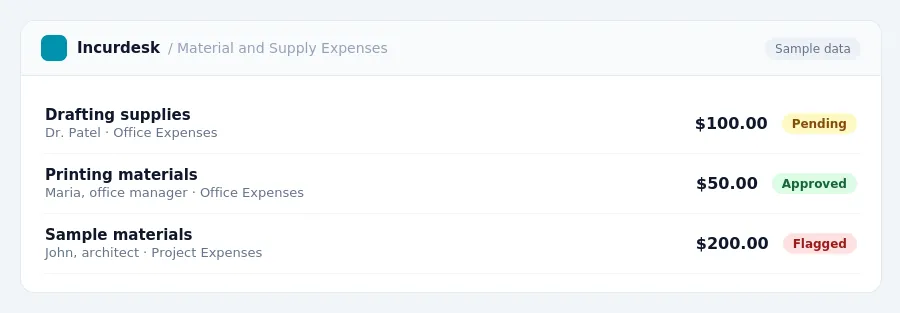
Track Sample and Material Board Expenses
- Separate sample and material board expenses from other business expenses by creating a dedicated account or category in your accounting system. This will help you track these costs accurately and ensure compliance with GAAP, which requires expenses to be recorded in the same accounting period as the revenues they help generate (matching principle).
- Set up a system to record the date, description, and amount of each sample and material board expense. This can be done by using a spreadsheet, a dedicated expense tracking tool, or even a simple notebook. The key is to be consistent and thorough in your record-keeping.
- Consider implementing a system to track the usage of sample and material boards. For example, you can assign a unique identifier to each board and record the date it was created, the date it was used, and the date it was disposed of. This will help you determine which costs are deductible and when.
- Be sure to regularly review your sample and material board expenses to ensure that they are being accurately recorded and categorized. This will also help you identify any discrepancies or errors in your tracking system.
- However, the specific rules and regulations for sample and material board expenses vary, so it's best to consult with a tax professional to determine what is deductible in your specific situation.
Apply the De Minimis Safe Harbor
-
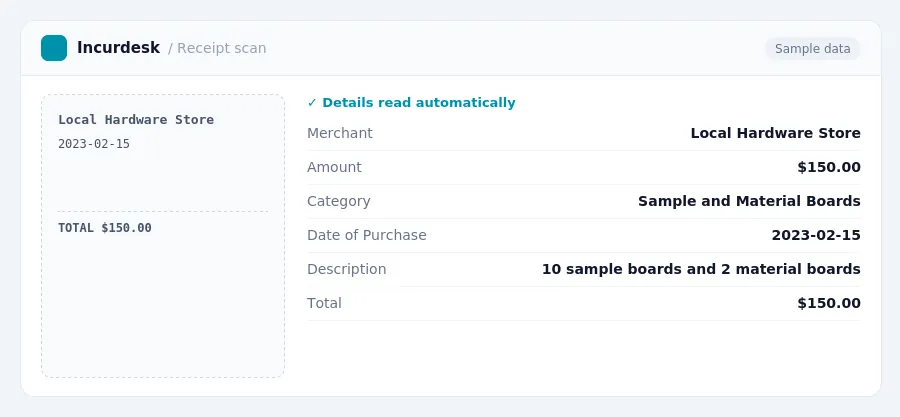
The de minimis safe harbor is a rule that allows businesses to deduct certain expenses without needing to keep detailed records. To apply this rule, you need to determine if your business has an Applicable Financial Statement (AFS). If you do, the safe harbor allows deduction of amounts paid for tangible property up to $5,000 per invoice or item in the taxable year.
-
Check your invoices and records to see if any single item or invoice exceeds the safe harbor limit. If it does, you may need to keep more detailed records for that item.
-
For businesses without an AFS, the safe harbor limit is $2,500 per invoice or item. If you fall into this category, make sure to track your expenses carefully to stay within the limit.
-
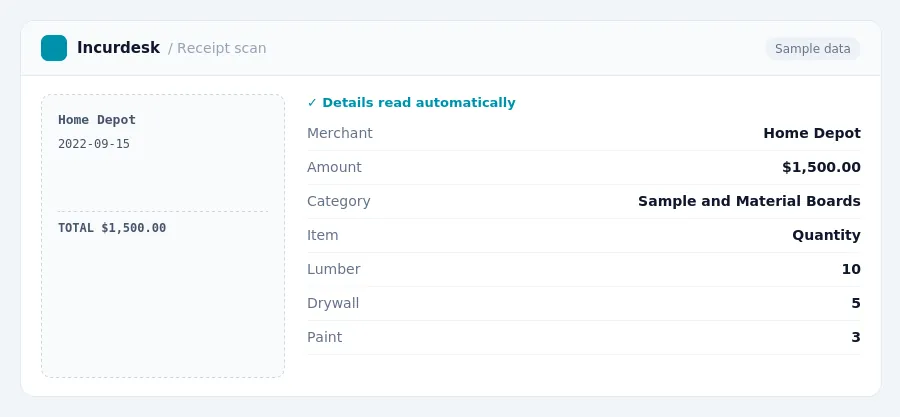
Keep accurate records of your expenses, including invoices, receipts, and bank statements. This will help you stay on top of your expenses and ensure you're taking advantage of the safe harbor rule.
-
Review your records regularly to ensure you're staying within the safe harbor limit. If you notice any expenses that are close to or exceed the limit, adjust your spending habits accordingly.
Consider Sales Tax Implications
- When dealing with sales tax implications, it's essential to understand the varying rules across states. This means you'll need to keep records of sales tax paid on materials purchased for sample and material boards. Consider consulting the state-specific sales tax rules for your area, as some states exempt contractors from paying sales tax on materials. For example, Arizona, Hawaii, Mississippi, New Mexico, and Washington do not charge contractors sales tax when buying materials.
- When invoicing customers, you'll need to determine if you should charge sales tax on materials. In lump-sum contracts, contractors pay sales tax on materials installed. In time and materials contracts, sales tax is added to the itemized material costs and any markups. However, in some states, contractors generally do not charge customers sales tax on materials because they paid it at purchase.
- The IRS generally requires businesses to keep tax records for three years after filing. Be sure to store these records securely and make them easily accessible in case of an audit.
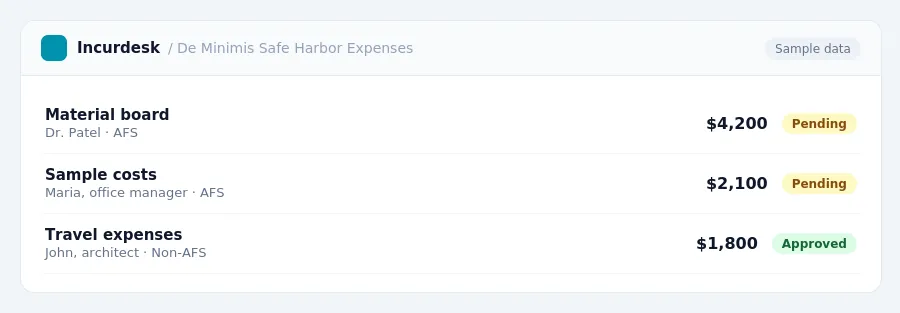
- When calculating the cost of sample and material boards, be sure to include sales tax paid on materials purchased. This will help you accurately track the total cost of these expenses and ensure compliance with IRS regulations.
- This will help you maximize potential tax savings and avoid any potential penalties or fines associated with non-compliance.
| State | Sales Tax Rule |
|---|---|
| Arizona | Exempt from paying sales tax on materials |
| California | |
| Florida | |
| Hawaii | Exempt from paying sales tax on materials |
| Illinois | |
| Georgia |
 Record and Report Deductions Accurately
Remember, accurate record-keeping and reporting are key to maximizing your tax savings and avoiding any potential penalties or fines. By following these steps, you can ensure that your sample and material board expenses are properly accounted for and deducted, and that you're in compliance with all relevant tax regulations. 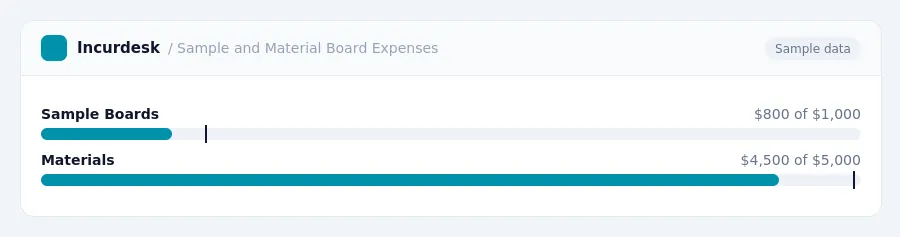 Keeping this simple: Incurdesk turns submitted expenses into clean expense reports. It is built for small architecture teams. Try it free. Frequently Asked Questions
Are the costs of material sample boards tax-deductible for my architecture firm? The costs of material sample boards are generally tax-deductible for architecture firms. These expenses are considered business expenses and can be deducted on your tax return. However, it's essential to keep accurate records of these expenses, as the IRS may request documentation during an audit. Do I need to pay sales tax on material samples I purchase for my projects? The sales tax implications for material samples vary by state. In some states, contractors are exempt from paying sales tax on purchases of materials used in projects, while in others, sales tax is required. You should check with your state's tax authority to determine if you need to pay sales tax on material samples. What documentation do I need to keep to support deductions for material samples? To support deductions for material samples, you should keep detailed records of each purchase, including receipts, invoices, and bank statements. It's also a good idea to keep records of the project the samples were used for and the date of purchase. This documentation will help you accurately track your expenses and support your deductions in case of an audit. Stop losing 4+ hours a week30-day free trial · No credit card · Setup in 15 minutes |