
Tracking Turnover Costs Per Unit
A practical, data-backed guide to controlling costs and automating expense workflows.
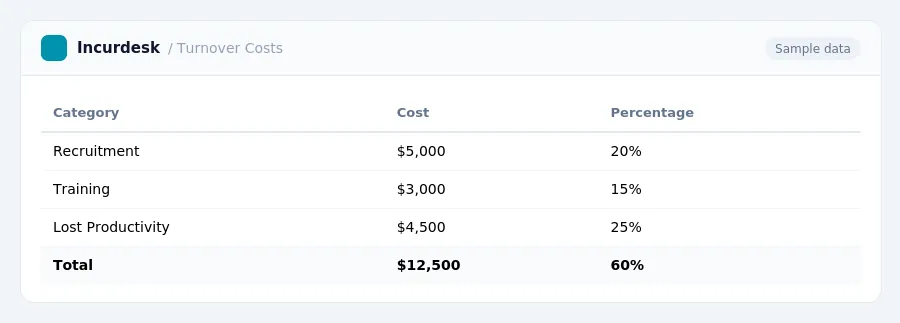
Small property management businesses with 5-50 staff in the US need to understand the direct and indirect costs associated with employee turnover, calculated on a per-unit basis, to optimize expense management for property management. To effectively manage these costs, owners and office managers should track and calculate the direct and indirect costs associated with turnover, including recruitment, training, and lost productivity.
Regulatory Compliance and Fair Housing Considerations
The Fair Housing Act protects individuals based on race, color, national origin, religion, sex, familial status, and disability.
As a property management business, it's essential to understand that the obligation to comply with the Fair Housing Act remains, even though HUD has withdrawn several sub-regulatory guidance documents.
When calculating turnover costs, ensure that your methods do not inadvertently discriminate against any protected classes.
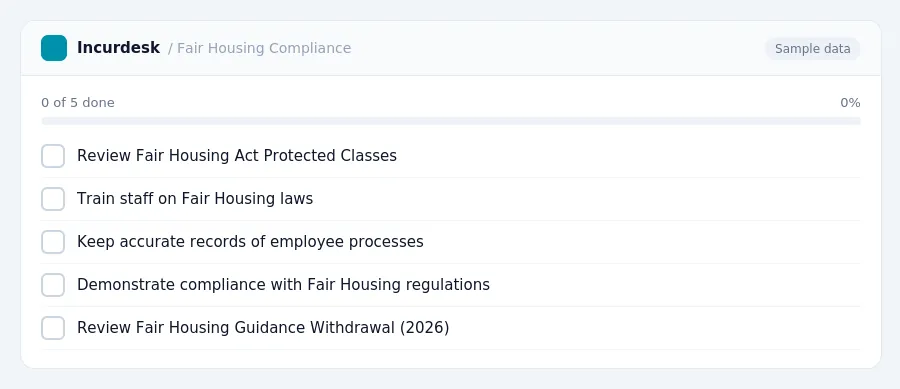
- Keep accurate records of employee hiring, training, and termination processes to demonstrate compliance with Fair Housing regulations.
- Train your staff on Fair Housing laws and ensure they understand the importance of avoiding discriminatory practices.
Remember, the Fair Housing Act is a federal law, and non-compliance can result in severe penalties.
Review the Fair Housing Act Protected Classes and Fair Housing Guidance Withdrawal (2026) to ensure you understand the current regulations.
Keeping this simple: Incurdesk keeps receipts and approvals in one place, which makes a written policy easier to follow. It is built for small property management teams. Try it free.
Common Pitfalls in Calculating Turnover Costs
When calculating turnover costs, small property management businesses often fall into common pitfalls that can lead to inaccurate estimates. To avoid these mistakes, it's essential to be thorough and detailed in your calculations.
Here are some common pitfalls to watch out for:
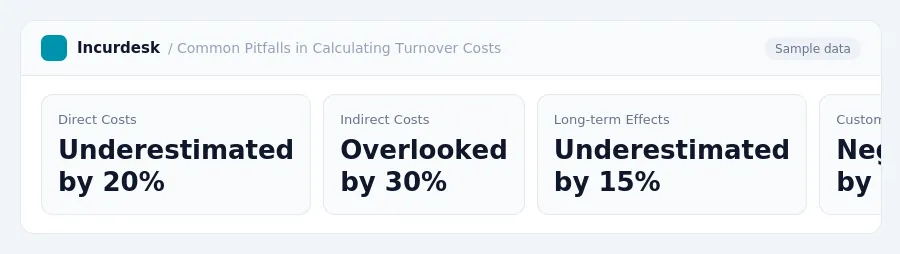
- Failure to account for all direct costs.
- Ignoring indirect costs. Indirect costs, such as the impact of turnover on morale and the overall work environment, can be just as significant as direct costs. Consider the effects of turnover on your team's productivity and overall performance.
- Not considering the long-term effects of turnover. Turnover can have a ripple effect, leading to further turnover and decreased employee satisfaction. Consider the potential long-term consequences of turnover on your business.
- Not factoring in the impact of turnover on customer satisfaction. Turnover can affect the quality of service provided to residents, leading to decreased satisfaction and potential damage to your reputation.
- Not accounting for the impact of turnover on the overall business strategy. Turnover can affect your business's ability to meet its goals and objectives, leading to decreased profitability and competitiveness.
Calculating Direct and Indirect Turnover Costs
The first step in understanding the impact of employee turnover is calculating the direct and indirect costs associated with it. Direct costs include the cost of recruiting and training a new employee, while indirect costs may include the loss of productivity and the impact on morale.
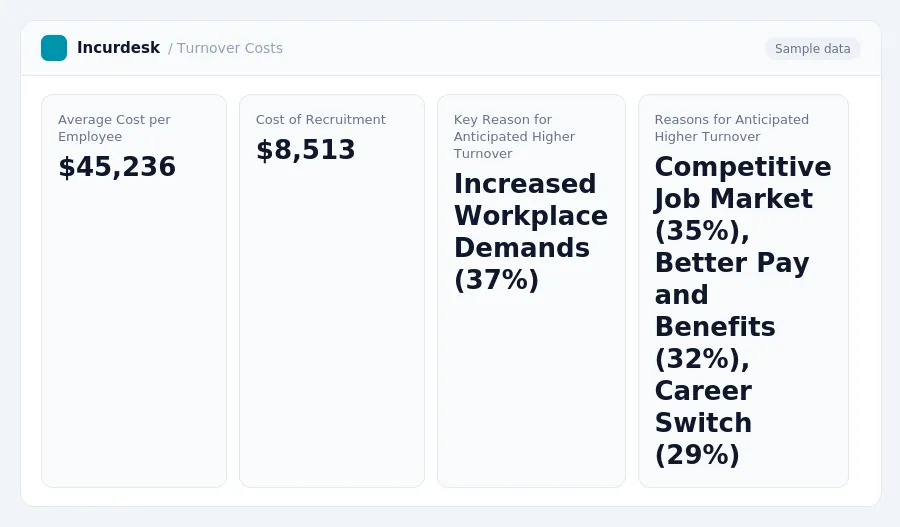
The average cost of employee turnover in the US has risen to $45,236 per employee in 2026, an increase from $36,723 in the previous year. This cost is comprised of various factors, including:
- Recruitment costs, which can range from $1,000 to $5,000 per employee
- Impact on morale, which can lead to decreased job satisfaction and increased turnover among remaining employees
Key reasons for anticipated higher turnover include increased workplace demands (37%), a competitive job market (35%), better pay and benefits elsewhere (32%), and employees switching careers (29%).
Estimating Turnover Costs Per Unit in Multifamily Operations
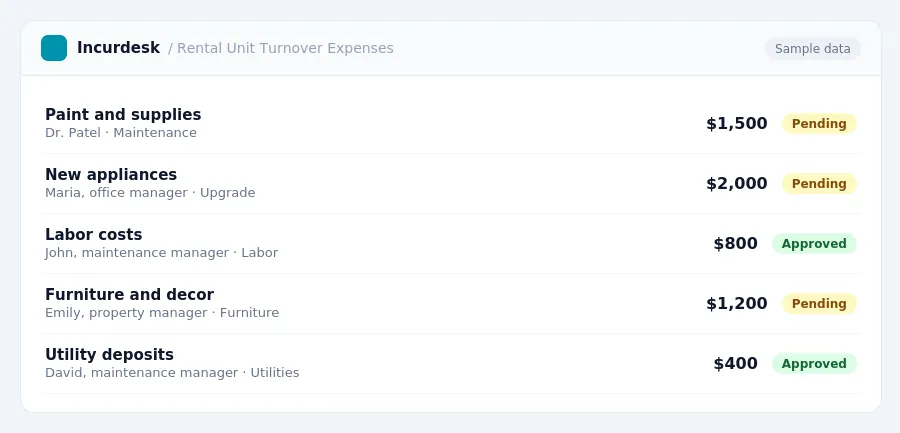
To accurately estimate turnover costs per unit, multifamily operators need to consider the costs associated with each rental unit move-out. A single instance of rental unit turnover is estimated at approximately $4,000 per turn in 2026.
The cost of a single rental unit move-out can range from $1,000 to $5,000, depending on the extent of necessary upgrades. This cost breakdown can be used to estimate the total turnover cost per unit.
To calculate the turnover cost per unit, you can use the following example:
Keep in mind that these estimates can vary depending on the specific circumstances of each rental unit move-out.
Actionable Strategies for Reducing Turnover Costs
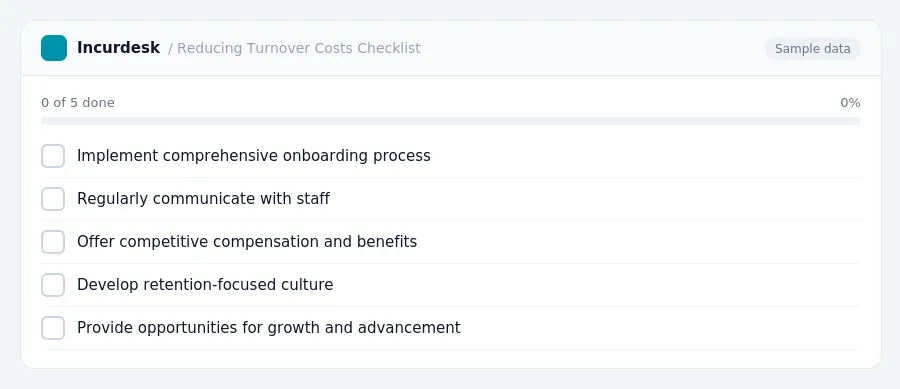
Implementing a comprehensive onboarding process can significantly reduce turnover costs. Develop a detailed plan that includes orientation, training, and regular check-ins to ensure new employees feel supported and prepared for their roles.
Regularly communicate with your staff to identify and address potential issues before they become major problems. Hold open-door meetings, conduct anonymous surveys, and gather feedback to understand employee concerns and suggestions.
Offer competitive compensation and benefits packages, but also consider providing non-monetary incentives such as additional time off, flexible work arrangements, or professional development opportunities.
Develop a retention-focused culture by recognizing and rewarding employee achievements, promoting work-life balance, and fostering a positive, inclusive work environment.
Provide opportunities for growth and advancement within the company, and help employees develop new skills to stay engaged and motivated.
Key strategies to consider:
- Develop a comprehensive retention strategy
- Regularly communicate with employees
- Offer competitive compensation and benefits
- Foster a positive work culture
- Provide opportunities for growth and advancement
By implementing these strategies, you can reduce turnover costs and create a more stable and productive work environment.
Stop losing 4+ hours a week
30-day free trial · No credit card · Setup in 15 minutes