
Travel Management for Out-of-Town Construction Jobs
A practical, data-backed guide to controlling costs and automating expense workflows.
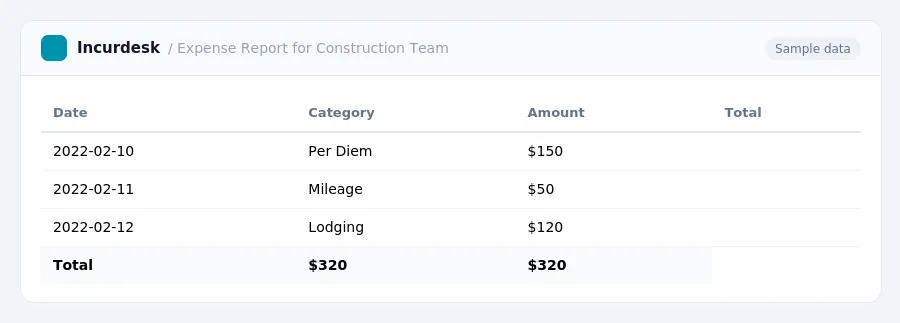
To manage construction expense management for under $10/user (2026), you'll need to track per diem and mileage expenses, as well as lodging and other travel costs. For a complete overview, see our expense management guide.
Travel Planning and Compliance
When planning travel for out-of-town construction jobs, it's essential to stay compliant with IRS guidelines to avoid penalties and ensure accurate expense tracking. Start by determining the purpose of the trip and the number of employees involved. For transportation industry employees, the Meal and Incidental Expenses (M&IE) rate is $80 per day for travel within the continental United States and $86 per day for travel outside the continental United States. This rate covers meals, incidentals, and other expenses.
For travel planning, consider the following:
- Book flights, trains, or car rentals in advance to secure the best rates.
- Choose accommodations that meet your company's standards and are within the approved budget.
- Plan for transportation from the airport or train station to the job site.
- Keep records of all travel arrangements, including receipts and itineraries.
Be sure to keep accurate records of all transportation-related expenses, including airfare, train tickets, car rentals, taxis, rideshares, parking, and tolls.
Per Diem and Meal Expenses
High-cost areas have higher rates.
It's also important to note that some states or localities may have specific per diem policies or higher rates for certain areas. For example, Alaska and Hawaii use different rates.
When tracking per diem and meal expenses, be sure to keep accurate records.
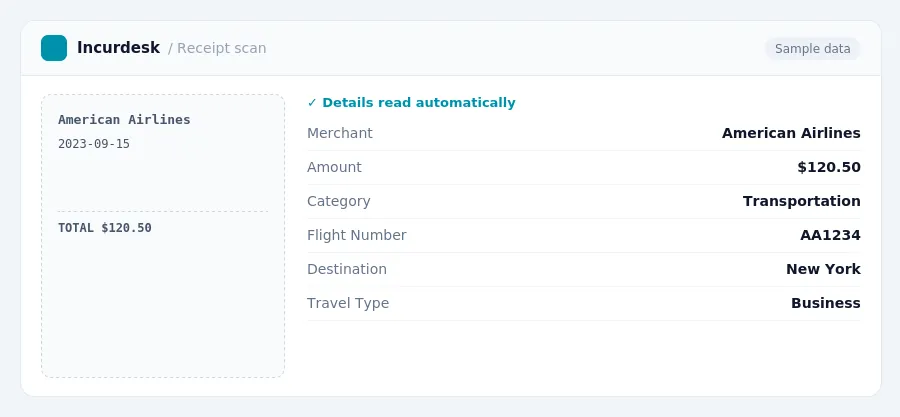
For meal expenses, employees can claim the actual cost of meals, or they can use the per diem rate. The per diem rate covers meals, including breakfast, lunch, and dinner, as well as snacks and tips.
Keep in mind that GSA Per Diem Rates are updated annually for the federal fiscal year (October 1 to September 30) and can change seasonally for certain locations.
Mileage Reimbursement and Transportation
The IRS standard mileage rate is an essential factor in calculating mileage reimbursement for employees traveling to out-of-town construction jobs.
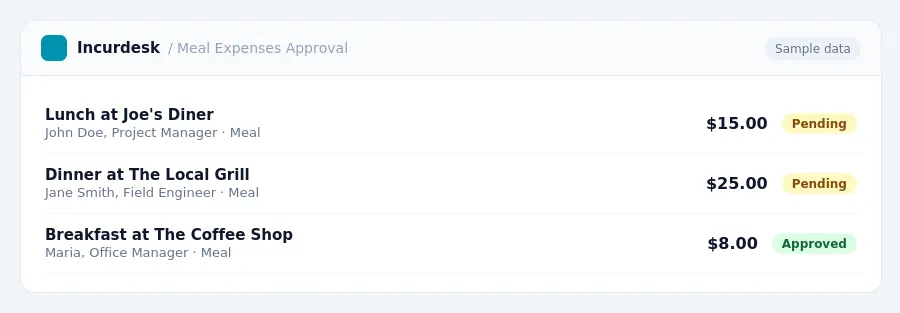
To calculate mileage reimbursement, simply multiply the total miles driven by the applicable rate. For example, if an employee drives 200 miles in a single day, the reimbursement would be:
Keep accurate records of miles driven, including dates, destinations, and the number of miles traveled. These records will be essential for tax purposes and ensuring compliance with IRS guidelines.
Lodging and Other Travel Expenses
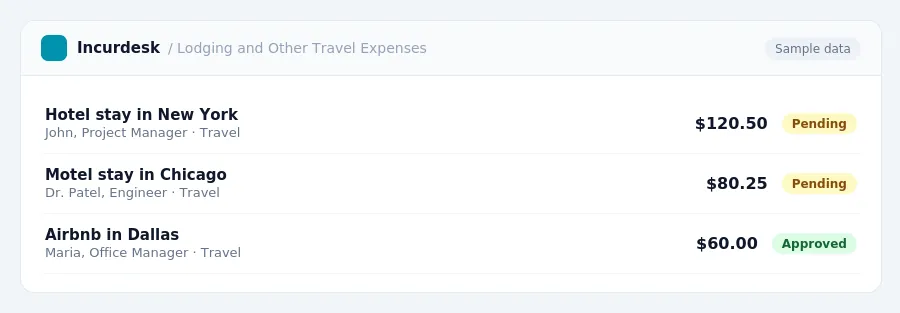
For travel within the continental United States, employers can use the high-low method, which takes into account the cost of localities.
This includes the cost of hotels, motels, and other temporary accommodations.
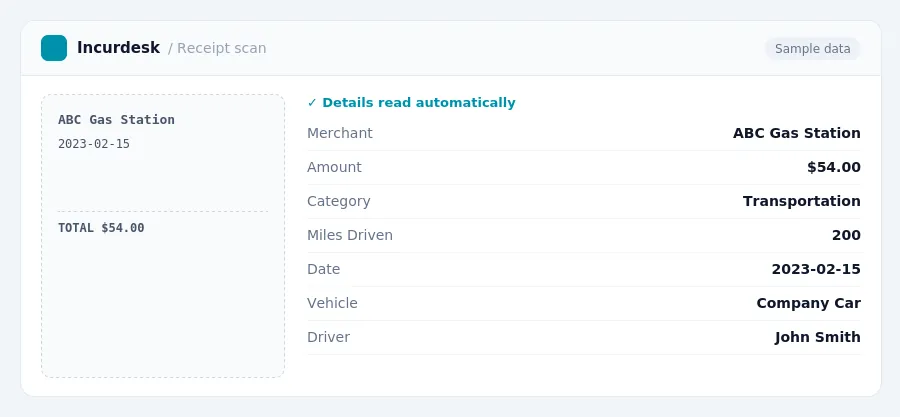
When tracking lodging and other travel expenses, be sure to keep accurate records, including receipts and itineraries. This will help ensure compliance and accurate reimbursement for employees.
Accountable Plan Requirements and Record Keeping
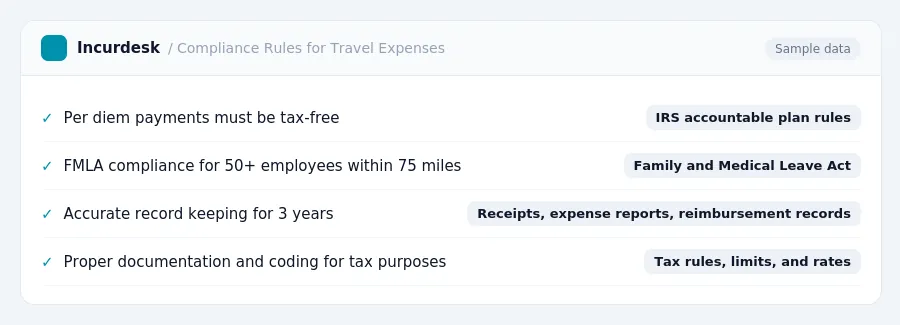
To ensure per diem payments are tax-free for employees, employers must follow IRS accountable plan rules.
Employers with 50 or more employees within a 75-mile radius must comply with the Family and Medical Leave Act (FMLA) requirements.
Employers must maintain accurate records of all travel expenses, including receipts, expense reports, and reimbursement records.
These records should be kept for at least three years in case of an audit.
Employers should also ensure that all travel expenses are properly documented and coded for tax purposes.
Tax rules, limits and rates change. Confirm current figures with the IRS or your accountant before you file.
Keeping this simple: Incurdesk keeps receipts and approvals together, so you know exactly what to reimburse. It is built for small construction teams. Try it free.
Stop losing 4+ hours a week
30-day free trial · No credit card · Setup in 15 minutes