
Traveling Exhibition Shipping and Courier Expenses
A practical, data-backed guide to controlling costs and automating expense workflows.
To ensure a smooth and cost-effective experience, it's essential to budget for shipping carefully, taking into account factors such as fuel surcharges, customs fees, and insurance. Utilizing small museums or historical societies expense management software can also help track and manage these costs more efficiently.
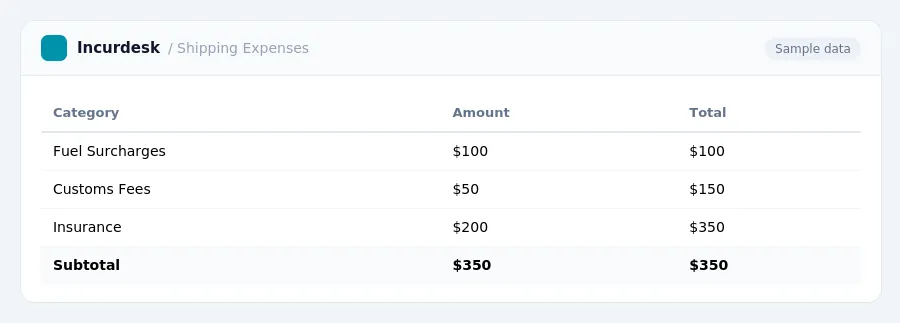
Understanding Shipping Costs and Budgeting for Traveling Exhibitions
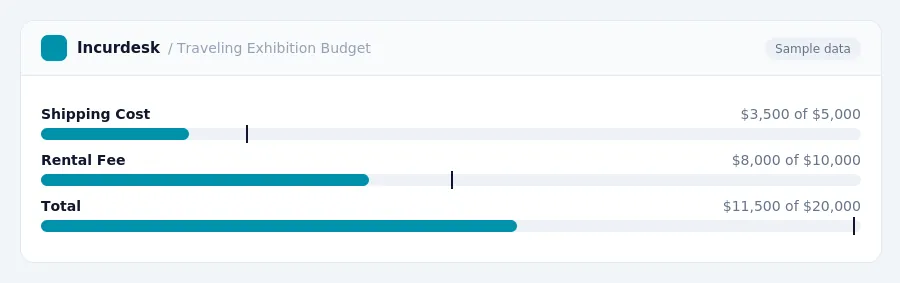
When planning a traveling exhibition, it's essential to understand the shipping costs involved. For smaller exhibits (1,500-2,500 sq. ft.), shipping can range from $2,500 to $6,000. Larger exhibits can cost significantly more, with estimates of $20,000-$30,000 for shipping alone, and total shipping and installation costs potentially reaching $40,000-$60,000.
Traveling exhibition rental fees also vary widely, from $3,800 to $30,000 for an eight-week rental period, with additional prorated weeks available. It's crucial to factor these costs into your overall budget.
Additionally, consider any temporary rate increases that may affect your shipping costs. For example, USPS has temporary holiday rate increases in effect for select domestic shipping services during the 2026 holiday season.
To ensure you're prepared, start by calculating your total exhibition costs, including shipping, installation, and rental fees. Consider the following:
- Smaller exhibits: $2,500-$6,000 for shipping, $3,800-$30,000 for rental fees
- Larger exhibits: $20,000-$30,000 for shipping, $40,000-$60,000 for total shipping and installation costs
Keep in mind that these estimates may vary depending on the specific exhibition and shipping needs. Be sure to research and confirm the costs with your exhibition provider and shipping carriers.
Packaging and Crating for Fragile and Valuable Items
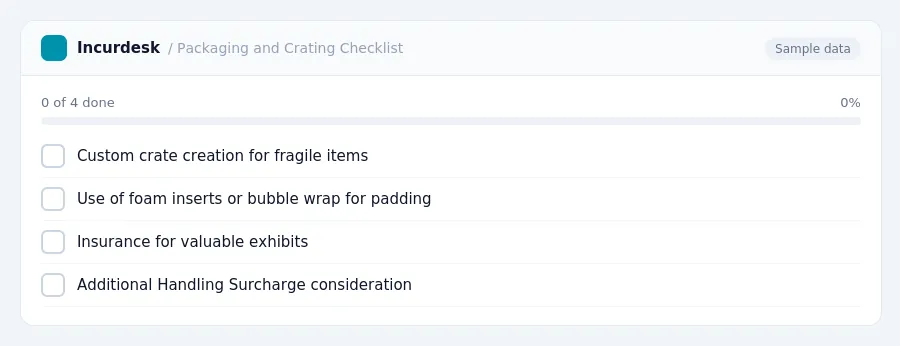
When shipping fragile and valuable items, custom crating and proper padding are essential for protecting them during transit. This may involve creating custom boxes or using specialized packing materials, such as foam inserts or bubble wrap. For example, if you're shipping a delicate artifact, you may need to create a custom box with extra padding to ensure it's secure and protected.
- Additional Handling Surcharge for international packages: $40 per package (weight) for FedEx International Package Services.
- Additional Handling Surcharge for U.S. packages: $26.50-$33.75 per package (packaging) for FedEx U.S. Package Services, depending on zone.
Don't forget to consider insurance for valuable exhibits. This can provide peace of mind and financial protection in case of loss or damage during shipping.
Navigating Customs Regulations and Compliance
When shipping traveling exhibitions internationally, navigating customs regulations and compliance is crucial to avoid delays, fines, and damage to your valuable items. Here are some key regulations to keep in mind:
- Original works of art generally enter the United States duty-free under HTS Chapter 97, but customs declarations and accurate valuation are still required.
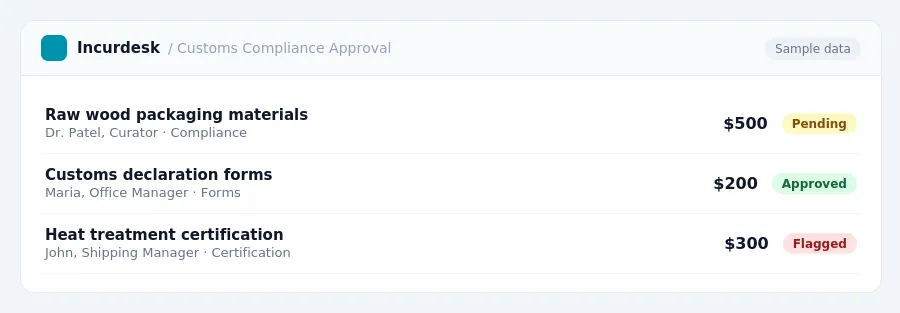
- All raw wood packaging materials used in transatlantic shipping must undergo heat treatment and display compliance. This is a mandatory regulation to prevent the spread of pests and diseases.
To ensure compliance, make sure to:
- Accurately declare all items being shipped, including their value, on customs forms.
- Provide detailed descriptions and documentation for all items, including certificates of authenticity and provenance.
- Verify that all raw wood packaging materials have undergone heat treatment and display compliance.
- Check with the destination country's customs regulations for any specific requirements or restrictions.
Failure to comply with customs regulations can result in delays, fines, and damage to your items. It's essential to work with a reputable shipping company or customs broker to ensure compliance and avoid any issues.
Venue-Specific Rules and Logistics
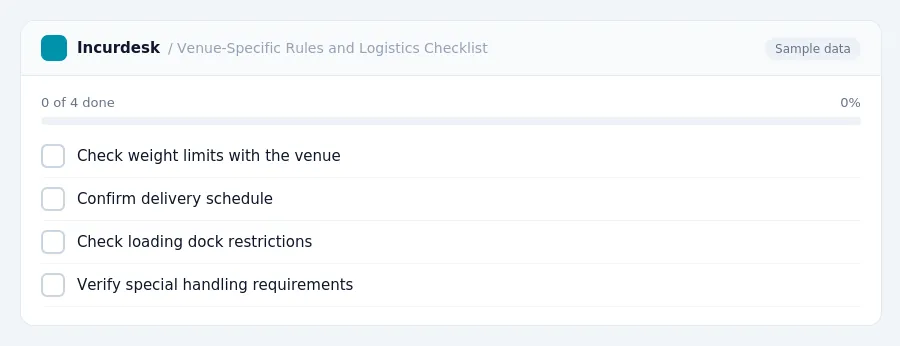
When planning to ship a traveling exhibition to a new venue, it's essential to be aware of the venue-specific rules and logistics. These rules can vary greatly depending on the location and type of venue, so it's crucial to research and confirm the requirements well in advance.
- Weight limits: Check with the venue to determine their maximum weight capacity for shipments. For example, a loading dock may have a 5,000-pound weight limit, while a freight elevator may have a 2,000-pound weight limit.
- Delivery schedules: Confirm the venue's delivery schedule to ensure that shipments arrive on time. Some venues may have specific delivery windows, such as between 9am and 12pm.
- Loading dock restrictions: Check if the venue has any loading dock restrictions, such as no loading between 12pm and 2pm.
- Special handling requirements: Some venues may require special handling for certain items, such as fragile artwork or sensitive equipment.
It's also essential to confirm the venue's receiving hours, parking availability, and any other logistical details that may impact the shipping process.
For example, a museum may require that shipments be delivered to a specific loading dock by 10am, while a historical society may have a 24-hour receiving window. In either case, it's essential to confirm the details with the venue in advance to ensure a smooth and efficient shipping process.
Insurance and Risk Management for Traveling Exhibitions
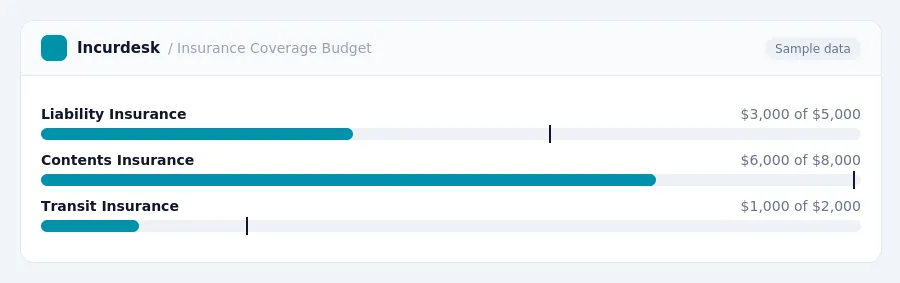
Insurance is a crucial aspect of traveling exhibition shipping to protect your valuable items against damage, loss, or theft. Determine the type of insurance coverage you need, such as liability, contents, or transit insurance, and obtain quotes from reputable insurance providers. Be sure to review the policy terms and conditions carefully, including any exclusions or limitations.
When selecting an insurance provider, consider factors such as their experience with the art and museum industry, coverage limits, and claims process. It's also essential to ensure that the insurance policy covers the full value of your exhibits, including any rare or irreplaceable items.
Consider the following steps when purchasing insurance:
- Identify the items to be insured and their values
- Determine the level of coverage needed
- Compare insurance quotes from multiple providers
- Review and understand the policy terms and conditions
- Verify that the insurance provider has experience with the art and museum industry
Regularly review and update your insurance coverage to ensure it remains adequate and aligned with your changing needs.
Keeping this simple: Incurdesk turns submitted expenses into clean expense reports. It is built for small small museum historical society teams. Try it free.
Stop losing 4+ hours a week
30-day free trial · No credit card · Setup in 15 minutes