
Truck and Fuel Expense Tracking for Large Animal Vets
A practical, data-backed guide to controlling costs and automating expense workflows.
To track truck and fuel expenses for tax deduction purposes, large animal veterinarians can use the standard mileage rate or actual expenses method. By accurately tracking and documenting these expenses, veterinary clinics can ensure effective expense management for veterinary clinics and maximize their tax savings. For a complete overview, see our expense management guide.
Determine Your Eligibility for Truck and Fuel Expense Tracking
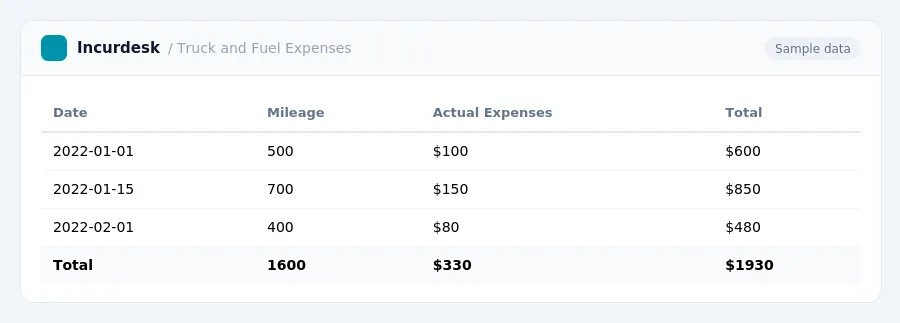
To qualify, you must use your vehicle for business more than 50% of the time. This includes traveling to client locations, attending conferences, and transporting equipment and supplies.
Here are some key rules to keep in mind:
- Lease terms: If you lease a vehicle, you can use either the standard mileage or actual expense method.
- Check the IRS website for the most up-to-date information.
To qualify for accelerated deductions like Section 179 and bonus depreciation, a vehicle generally must be used more than 50% for qualified business purposes.
Make sure to keep accurate records of your vehicle usage, including dates, mileage, and business purposes. This will help you substantiate your claims and ensure compliance with IRS regulations.
Choose the Appropriate Method for Calculating Deductions
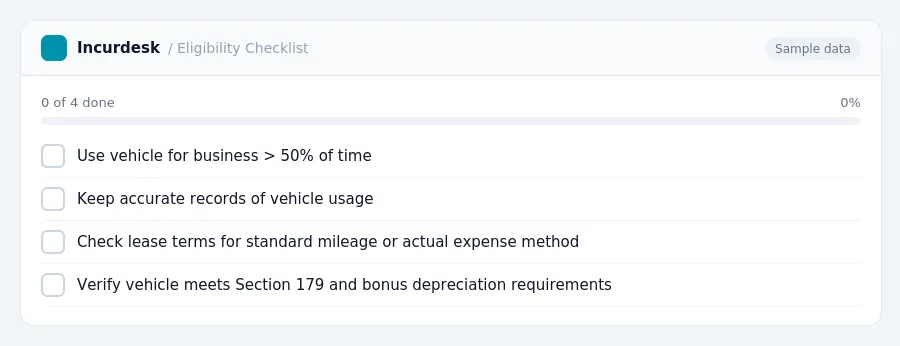
- Consider the business use percentage of your vehicle when deciding which method to use for calculating deductions.
- Determine if your vehicle is eligible for more favorable deductions. Heavy-duty trucks and vans (over 6,000 lbs GVWR) often qualify for more favorable deductions than lighter passenger vehicles.
- Review the current standard mileage rate and actual expense rates.
- Consider the impact of bonus depreciation on your vehicle's deductions.
- Consult the IRS Publication 535 for more information on the rules and regulations surrounding vehicle deductions.
When choosing between the standard mileage rate and actual expenses, consider the complexity of your records and the potential for audit. If you have a simple record-keeping system and can accurately estimate your business use percentage, the standard mileage rate may be a good choice. However, if you have a complex record-keeping system or need to claim specific expenses, such as fuel and maintenance, actual expenses may be a better option.
Keep in mind that the standard mileage rate is subject to change, and the actual expense rates may vary depending on the type of vehicle and the location of use. Always review the current rates and regulations before making a decision.
Gather Required Records and Documentation
When tracking truck and fuel expenses, it's essential to gather the necessary records and documentation to support your claims. This will help you stay organized and ensure you're meeting the IRS's requirements.
Here are the key records to collect:
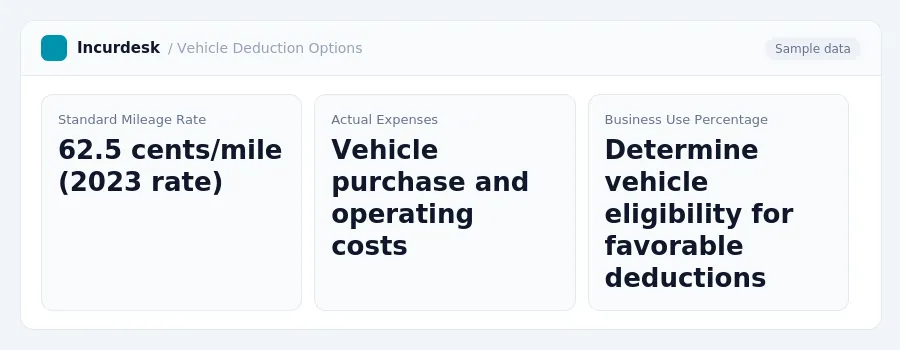
- Mileage logs to track the total miles driven for business and personal use.
- Receipts for fuel purchases, vehicle maintenance, repairs, and other expenses.
- Bank statements and cancelled checks to verify payment for expenses.
- Vehicle registration and title documents to confirm vehicle ownership and use.
- Business use percentage calculations to determine the proportion of business use for each vehicle.
It's also crucial to keep accurate and detailed records of your vehicle's usage, including:
- Date and time of each trip
- Destination and purpose of each trip
- Mileage driven for each trip
Remember to review and update your records regularly to ensure they accurately reflect your business use of the vehicle.
Calculate Your Standard Mileage Rate or Actual Expenses
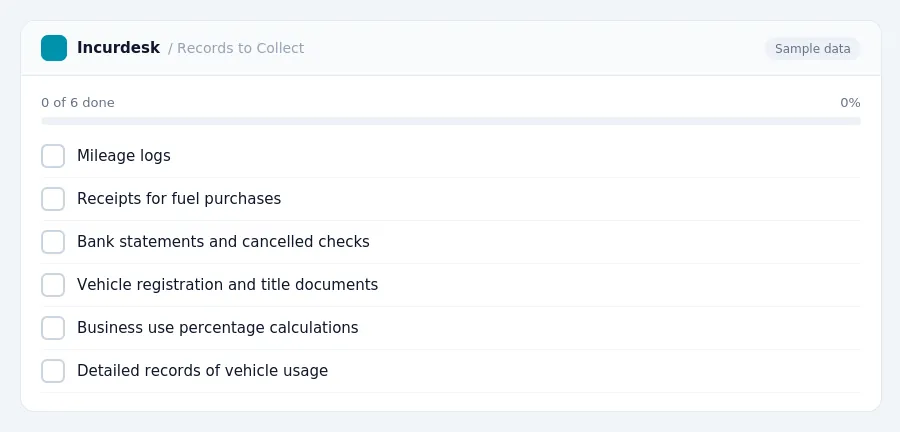
- Calculate your standard mileage rate or actual expenses for the year. To do this, consider the standard mileage rates for each half of the year.
- Keep in mind that actual expenses include items like gas, maintenance, insurance, and registration. You can calculate these expenses by keeping a log of your vehicle use and expenses throughout the year.
- You can use these rates to calculate your total business mileage for the year.
- Remember to keep accurate records of your vehicle use and expenses, including the dates, miles driven, and business purpose of each trip.
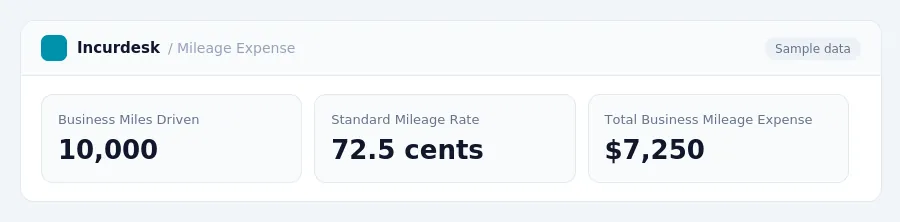
For example, if you drive 10,000 miles for business in 2026, and you use the standard mileage rate for the first half of the year (72.5 cents per mile), your total business mileage expense would be:
Keep in mind that this is just an example, and you should calculate your actual business mileage expense based on your specific situation.
Claim Your Truck and Fuel Expenses on Your Tax Return
When preparing your tax return, you'll need to report your truck and fuel expenses on the relevant form. In the United States, this is typically done using Form 4562, Depreciation and Amortization, or Schedule C (Form 1040), Business Income and Expenses.
To claim your truck and fuel expenses, you'll need to complete the following steps:
- Itemize your business use percentage: Calculate the percentage of your truck and fuel expenses that are related to your business. This will help you determine how much you can deduct on your tax return.
- Complete Form 4562 or Schedule C: Report your business use percentage and calculate your total truck and fuel expenses for the year.
- Keep records: Retain all records and documentation related to your truck and fuel expenses, including receipts, invoices, and mileage logs. These records may be requested by the IRS if your return is audited.
- File your tax return: Submit your completed tax return to the IRS by the deadline, which is typically April 15th of each year.
Remember to review your tax return carefully to ensure you're taking advantage of all eligible deductions, including Section 179 and bonus depreciation.

Keeping this simple: Incurdesk turns submitted expenses into clean expense reports. It is built for small veterinary teams. Try it free.
Stop losing 4+ hours a week
30-day free trial · No credit card · Setup in 15 minutes