
Van and Fuel Expense Tracking for Electrical Contractors
A practical, data-backed guide to controlling costs and automating expense workflows.
As an electrical contractor, it's essential to understand the IRS rules for tracking vehicle and fuel expenses to claim deductions and avoid penalties. To keep accurate records and stay compliant, consider using electrical contractor expense management software to streamline your expense tracking and ensure you meet the IRS's record-keeping requirements.
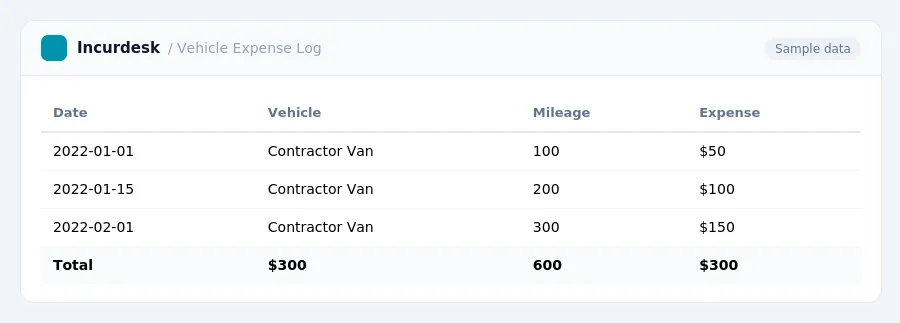
Calculate Your Business Use Percentage
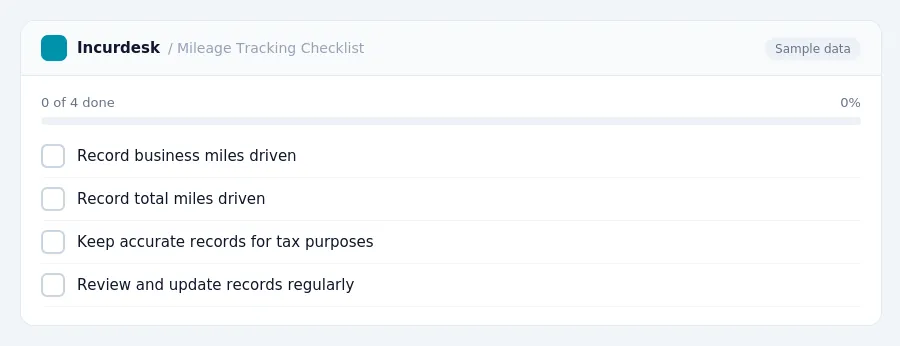
Your business use percentage is the key to determining how much of your vehicle expenses you can deduct on your taxes. To calculate your business use percentage, you need to know how many business miles you drove and how many total miles you drove.
Business miles driven include any miles driven for business purposes, such as driving to a job site or attending a meeting. Total miles driven include both business miles and personal miles.
Remember to keep accurate records of your business miles and total miles driven, as you will need this information to calculate your business use percentage.
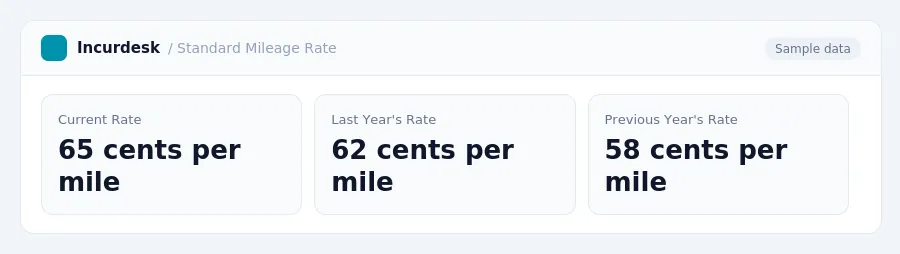
Determine the Standard Mileage Rate for Your Vehicle
- This rate applies to all business miles driven during this period.
- Keep in mind that these rates are subject to change, so it's essential to check the IRS guidelines for any updates or changes. You can find the most current information on the IRS website.
Track Your Vehicle Expenses with a Mileage Log
-
To track your vehicle expenses, you'll need a mileage log. This log should detail the date, destination, business purpose, and miles driven for each trip. The IRS requires contemporaneous records for all vehicle expense deductions, so it's essential to keep this log up to date.
When recording your mileage, consider the following details:
- Date and time of the trip
- Destination and business purpose
- Miles driven
- Any other expenses incurred during the trip, such as tolls or parking fees
Keep in mind that the Moving Expenses Deduction is generally only allowed for members of the armed forces on active duty who move pursuant to military orders, from 2018 to 2025.

Choose the Standard Mileage Rate or Actual Expense Method
When it comes to deducting vehicle expenses, you have two main options: the standard mileage rate method or the actual expense method. On the other hand, the actual expense method requires you to track and deduct the actual costs of operating your vehicle, including fuel, maintenance, insurance, and registration.
Regardless of which method you choose, you can separately deduct parking fees and tolls. These expenses are deductible whether you're using the standard mileage rate or the actual expense method.
The Tax Cuts and Jobs Act (TCJA) significantly limited the moving expense deduction for the years 2018 through 2025. If you're planning to move for business purposes, you'll need to check the current rules and regulations to see what expenses are eligible for deduction.
When deciding between the standard mileage rate and actual expense methods, consider the following factors:
- How many miles do you drive for business purposes each year?
- Do you have a lot of expenses related to operating your vehicle, such as fuel, maintenance, and insurance?
- Do you have a lot of parking fees and tolls?
Keep in mind that you can only use one method per vehicle, so choose the one that best suits your business needs.

Reimburse Employees for Vehicle Expenses and Maintain Accurate Records
- When reimbursing employees for vehicle expenses, it's essential to follow the rules and maintain accurate records. Most employees cannot deduct unreimbursed business expenses, including vehicle expenses, as miscellaneous itemized deductions, as per IRS rules from 2018 to 2025.
- Keep accurate records of employee vehicle expenses, including dates, mileage, and expense categories. Use a mileage log to track vehicle expenses and maintain a record of all business-related trips.
- Reimburse employees for vehicle expenses at the standard mileage rate or actual expense method. If you choose the standard mileage rate, be aware that the IRS has made mid-year adjustments in some years, such as 2022 and 2026, due to significant changes in fuel prices. You can check the IRS website for the current standard mileage rate.
- Establish a process for employees to submit expense reports and receive reimbursement. Set a deadline for submitting expense reports, such as quarterly or annually, to ensure timely reimbursement.
- Maintain accurate records of employee vehicle expenses, including reimbursement amounts, for at least three years in case of an audit. Keep records in a secure location, such as a locked file cabinet or digital storage, to protect against loss or theft.
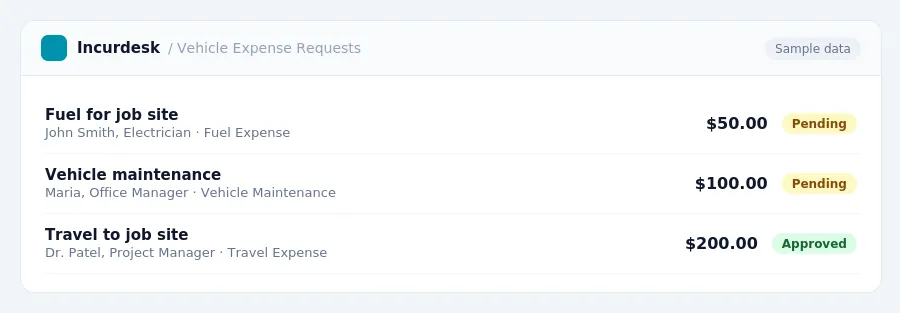
Keeping this simple: Incurdesk turns submitted expenses into clean expense reports. It is built for small electrical contractor teams. Try it free.
Stop losing 4+ hours a week
30-day free trial · No credit card · Setup in 15 minutes