
Veterinary Equipment Purchase Approval Process
A practical, data-backed guide to controlling costs and automating expense workflows.
For small veterinary businesses in the US with 5-50 staff, managing equipment purchases can be a complex process, especially when it comes to expense management for veterinary clinics. Approving and purchasing the right equipment can have significant financial and tax implications, and it's essential to navigate these implications carefully to minimize costs and maximize tax benefits. By understanding key tax deductions, financing options, and common pitfalls to avoid, veterinary business owners and office managers can make informed decisions about significant equipment investments. For a complete overview, see our expense management guide.
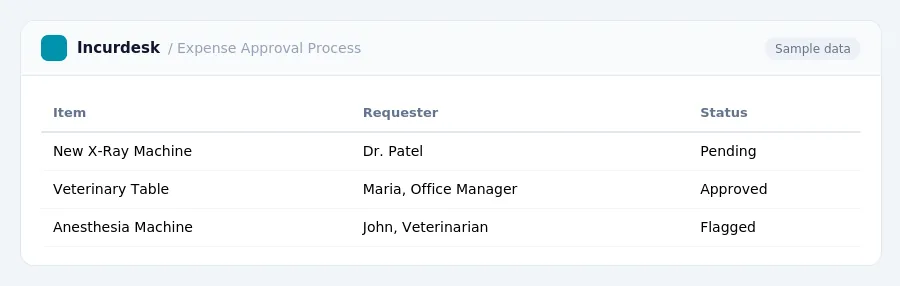
Determine Your Equipment Needs
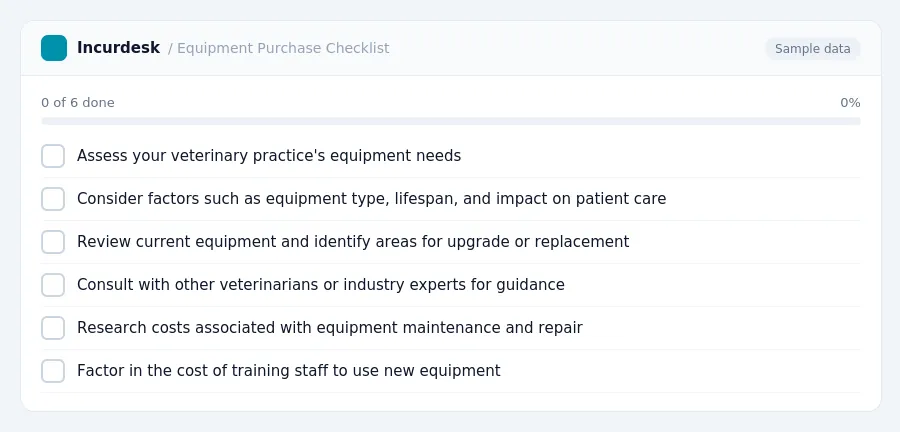
- Assess your veterinary practice's equipment needs carefully. Consider factors such as the type of equipment required, the expected lifespan, and the impact on patient care. Review your current equipment and identify areas for upgrade or replacement. You may want to consult with other veterinarians or industry experts for guidance.
- Consider the size of the equipment you need to purchase. For example, large equipment like diagnostic imaging machines or surgery tables may require a significant upfront investment, while smaller equipment like dental equipment or ultrasound machines may be more affordable.
- Research the costs associated with equipment maintenance and repair. You may also want to factor in the cost of training staff to use new equipment. Keep in mind that the SBA 7(a) loan program can provide up to $5 million for eligible small businesses, which can be used for equipment purchases.
- Look into financing options, such as the SBA 7(a) loan program, which can offer terms of up to 10 years for equipment financing. This can help you spread the cost of equipment purchases over time.
- Consider the tax implications of your equipment purchases. For example, 100% bonus depreciation applies to most tangible personal property with a MACRS recovery period of 20 years or less, including machinery, equipment, furniture, vehicles, and computer software. However, state tax laws may differ from federal tax laws regarding depreciation and expensing of equipment, so be sure to consult with a tax professional to understand the specific regulations that apply to your practice.
Evaluate Financing Options
- Assess your practice's financial situation to determine the best financing option for your veterinary equipment purchase. Your practice's average gross revenue is $1.5 million in 2024, and you should consider your current cash flow, debt, and credit score when evaluating financing options.
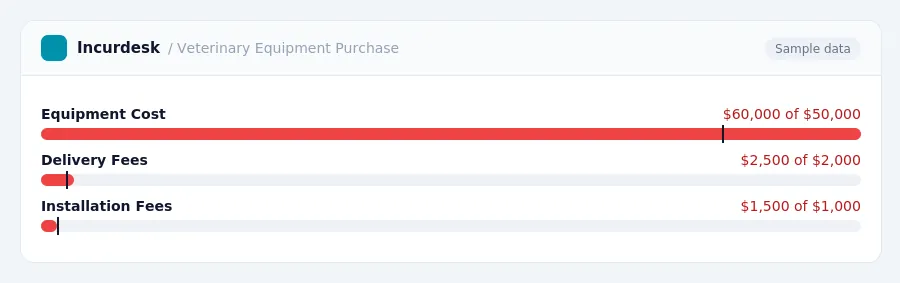
- Determine the total cost of the equipment, including any additional fees, such as delivery or installation charges. Consider financing options that offer flexible payment plans and competitive interest rates.
- Explore financing options, such as loans, leases, or financing agreements, that can help you manage your cash flow and minimize upfront costs. Some financing options may require a down payment, so be sure to review the terms and conditions carefully.
- Consider the tax implications of your financing option. However, you should consult with a tax professional to determine the best approach for your practice.
- Compare financing options and choose the one that best meets your practice's needs.
Calculate Tax Savings
- This can result in significant tax savings, especially for veterinary practices with high profits. This allows you to deduct 100% of the purchase price in the first year, reducing your taxable income further.
- If you plan to purchase more than this amount, you may need to adjust your purchase plans or consider other financing options.
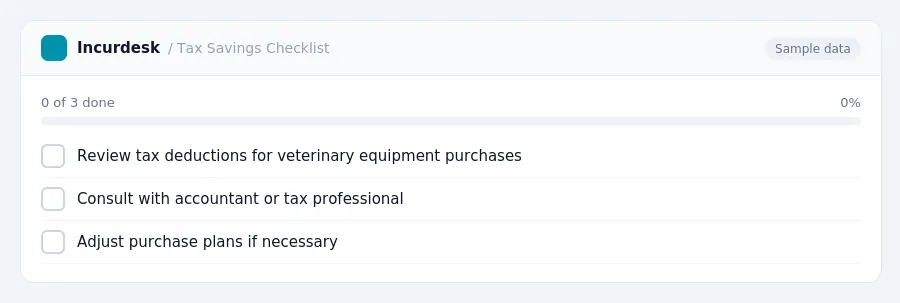
- Consult with your accountant or tax professional to ensure you are taking advantage of all available tax deductions and to determine the best course of action for your specific situation.
Avoid Common Pitfalls
- Be aware of FDA regulations: The FDA has regulatory oversight over veterinary medical devices and can take action if a device is misbranded, mislabeled, or adulterated. Make sure you purchase equipment that meets FDA standards to avoid any potential issues.
- Verify equipment warranties: Check the length and terms of equipment warranties before making a purchase. Some warranties may only last a few years, while others may offer extended coverage.
- However, this may change over time, so it's best to check with the IRS for the most up-to-date information.
- Review equipment maintenance costs: Consider the long-term costs of maintaining and repairing equipment, including replacement parts and labor. This can help you budget and plan for future expenses.
- Check for financing fees: If you're financing your equipment purchase, be aware of any fees associated with the loan, such as interest rates and origination fees.
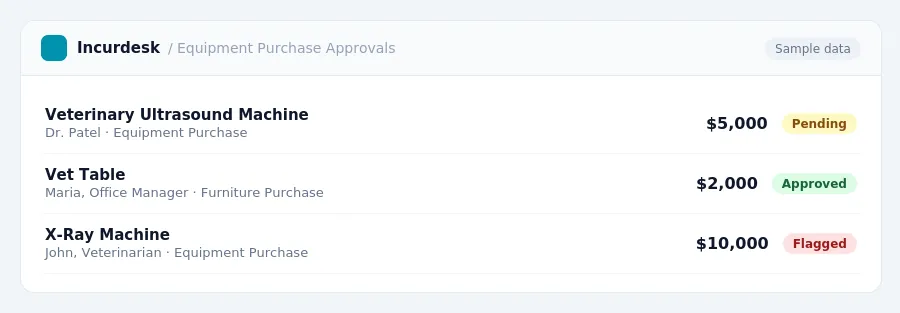
Finalize Your Purchase
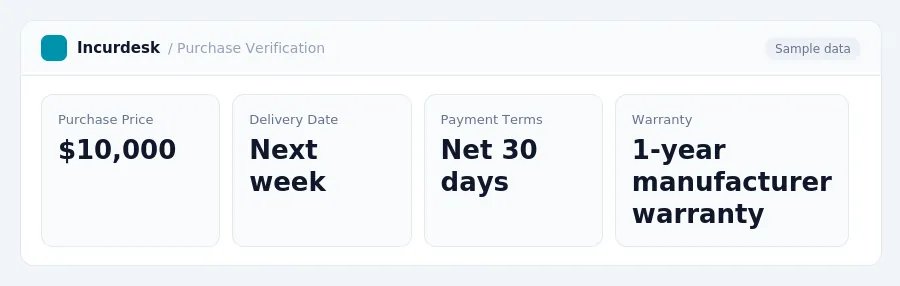
- Review and finalize your purchase agreement. Ensure all details are accurate, including the purchase price, delivery date, and any warranties or guarantees. Verify the seller's contact information and payment terms.
- Confirm the equipment's serial number, model number, and manufacturer. This information is crucial for warranty purposes and potential future upgrades or repairs.
- Double-check the payment method and any applicable sales taxes. If you're claiming 100% bonus depreciation, you may be able to deduct the full purchase price in the first year.
- Keep all purchase records, including receipts, invoices, and contracts, for at least three years in case of an audit. This documentation can help you track your equipment's depreciation and ensure compliance with tax laws.
- Schedule a delivery date and ensure someone is available to receive the equipment. If necessary, arrange for installation or training services from the manufacturer or a third-party provider.
- Update your accounting records to reflect the new equipment purchase. This will help you track its depreciation and ensure accurate financial reporting.
Keeping this simple: Incurdesk routes each expense to the right person for approval and keeps a record of who approved what. It is built for small veterinary teams. Try it free.
Stop losing 4+ hours a week
30-day free trial · No credit card · Setup in 15 minutes