
Veterinary Supply and Pharmacy Expense Tracking
A practical, data-backed guide to controlling costs and automating expense workflows.
Accurate expense management for veterinary clinics is crucial for maintaining compliance with regulations from agencies like the DEA and FDA. Tracking pharmacy expenses, including controlled substances, compounded medications, and general inventory, requires attention to detail and adherence to best practices. By optimizing inventory management and maintaining accurate records, veterinary businesses can avoid costly mistakes and ensure financial health. For a complete overview, see our expense management guide.
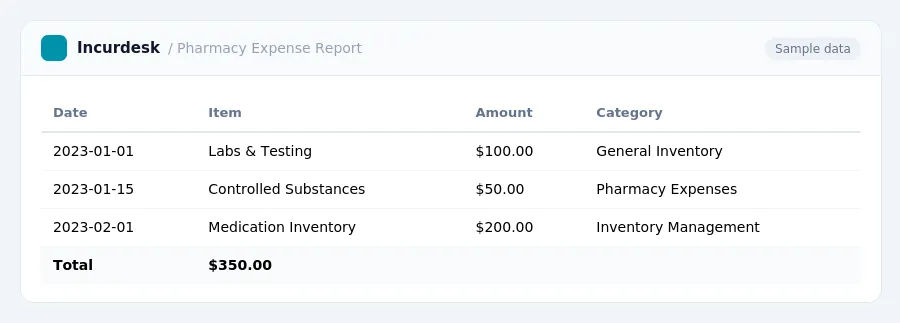
Track Controlled Substance Records
-
Veterinary practices must maintain accurate records of controlled substances for compliance and regulatory purposes. To start, ensure that you are keeping records for at least two years, as required by federal regulations. Some states may require longer retention periods, such as three to five years, so be sure to check your local regulations.
Separate your records for Schedule II controlled substances from those for Schedule III through V. This is a requirement for maintaining accurate and compliant records.
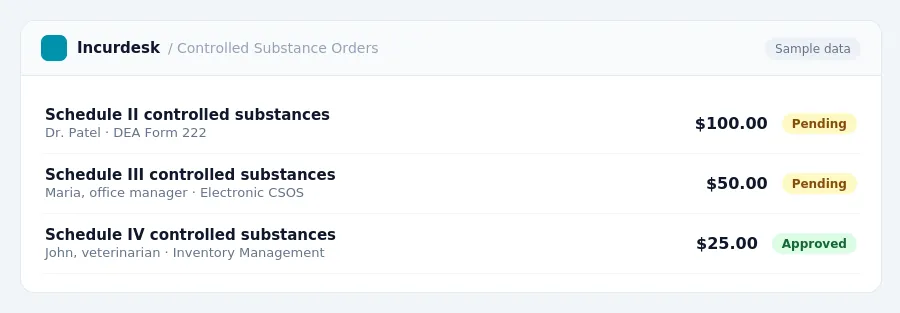
When ordering Schedule II controlled substances, use DEA Form 222 or the electronic Controlled Substance Ordering System (CSOS). These systems are designed to track and regulate the use of controlled substances.
Remember to adhere to the stricter requirement for controlled substance record retention, which may be more stringent than general inventory records.
Maintain Accurate Inventory
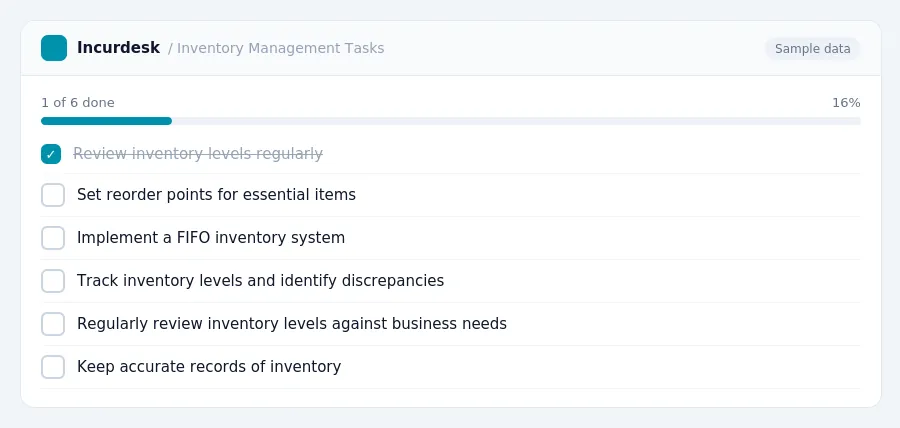
- Utilize practice management software with integrated inventory features to automate tracking, set reorder points, and prevent missed charges. This can help you stay organized and ensure that you're not overstocking or understocking essential items.
- Regularly review your inventory levels to ensure that they align with your business's needs. For veterinary practices, drugs and medical supplies should ideally make up about 10% to 12% of revenue. This can help you identify areas where you may be overspending or underspending on inventory.
- Keep accurate records of your inventory, including the date and time of each item's arrival, the quantity received, and the quantity used. This will help you track your inventory levels and identify any discrepancies.
- Consider implementing a first-in, first-out (FIFO) inventory system to ensure that older items are sold or used before they expire or become obsolete.
- Set aside time each week to review and update your inventory records. This can help you stay on top of your inventory levels and ensure that you're not missing any important deadlines or appointments.
Conduct Regular Physical Inventory
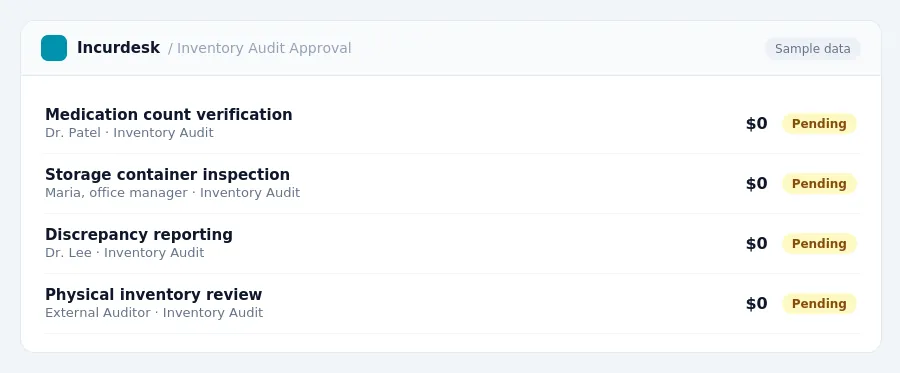
- Conduct a complete physical inventory of all controlled substances at least every two years. This includes counting and verifying the quantities of medications, as well as checking expiration dates and condition of storage containers.
- Conduct regular, sometimes blind, inventory audits to reconcile physical counts with software records. This helps identify discrepancies early, which can be costly and even lead to regulatory issues.
- When conducting a physical inventory, ensure that all staff members are aware of the process and understand their roles in the inventory count. This includes verifying the accuracy of counts, checking for any discrepancies, and reporting any issues to management.
- Consider involving an external auditor or third-party expert to conduct the physical inventory. This can provide an objective perspective and help identify any potential issues or areas for improvement.
- Document all findings and discrepancies from the physical inventory, including any adjustments made to software records. This helps maintain accurate records and provides a clear audit trail.
Optimize Pharmacy Expense Management
As a veterinary business owner, it's essential to optimize your pharmacy expense management to minimize financial losses and maintain compliance with regulations. Here are some steps to help you achieve this:
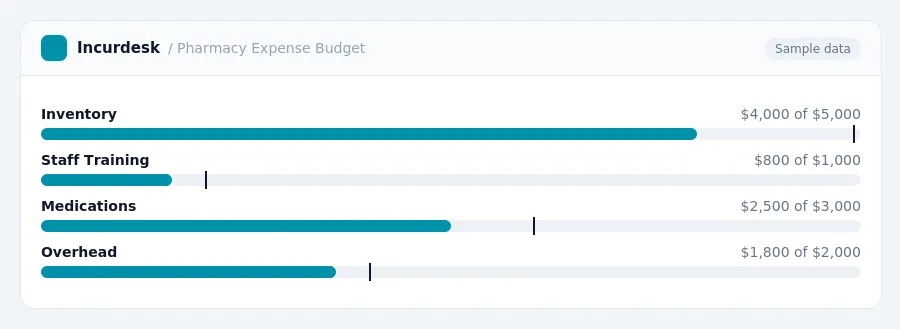
Monitor your pharmacy expenses regularly to ensure they are within the recommended range of 10% to 12% of your revenue. This will help you identify areas where you can cut costs and optimize your inventory management.
Keep accurate records of your pharmacy expenses, including receipts, invoices, and credit card statements. This will help you track your expenses and ensure compliance with regulations.
Consult with your state veterinary board and pharmacy board to ensure you are complying with their specific rules regarding compounding, dispensing, and record-keeping. These rules may vary, so it's essential to check with your state boards for the most up-to-date information.
Consider implementing a pharmacy expense tracking system to help you stay organized and ensure compliance with regulations.
By following these steps, you can optimize your pharmacy expense management and minimize financial losses.
Reconcile Inventory Discrepancies
-
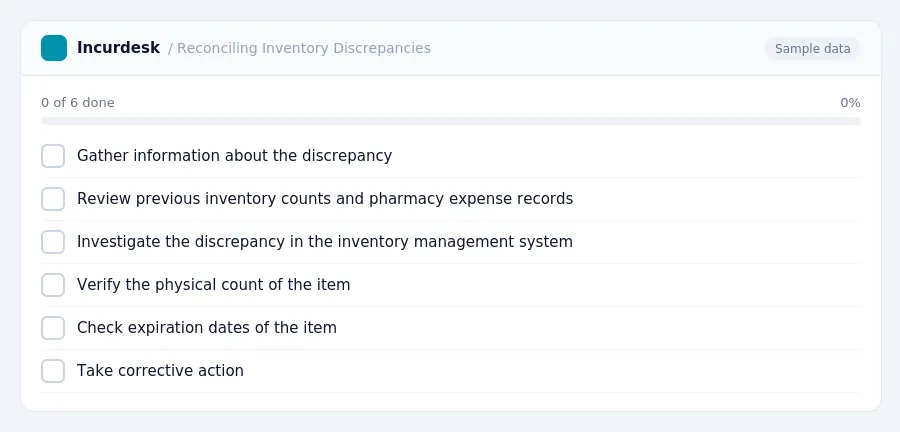
When discrepancies arise in your inventory, it's essential to address them promptly and thoroughly. Start by gathering information about the discrepancy, including the item involved, the quantity, and the date it was discovered.
Review your previous inventory counts, pharmacy expense records, and any relevant documentation to identify the root cause of the discrepancy.
-
Next, investigate the discrepancy by reviewing your inventory management system, checking for any errors or discrepancies in the system's data, and verifying the physical count of the item.
Check the expiration dates of the items involved to ensure they are still usable and not expired.
-
Once you've identified the root cause of the discrepancy, take corrective action to rectify the issue.
This may involve adjusting your inventory levels, adjusting your pharmacy expense records, or taking disciplinary action if necessary.
-
After resolving the discrepancy, conduct a thorough review of your inventory management system and procedures to prevent similar discrepancies from occurring in the future.
This may involve retraining staff, updating your inventory management system, or implementing new procedures to improve accuracy and control.
By following these steps, you can ensure that any discrepancies in your inventory are addressed promptly and thoroughly, and that your inventory management system is accurate and reliable.
Tax rules, limits and rates change. Confirm current figures with the IRS or your accountant before you file.
Keeping this simple: Incurdesk turns submitted expenses into clean expense reports. It is built for small veterinary teams. Try it free.
Stop losing 4+ hours a week
30-day free trial · No credit card · Setup in 15 minutes