
What Dental Practices Pay for Expense Software
A practical, data-backed guide to controlling costs and automating expense workflows.
For small dental practices with 5-50 staff members in the US, the cost of expense management for dental practice software can vary widely, but on average, practice management systems can cost between $500 to $2,000 per month, depending on the number of users and features. Understanding these pricing models is crucial for effective budgeting and avoiding unexpected expenses.
Costs Associated with Payroll and Accounting Software
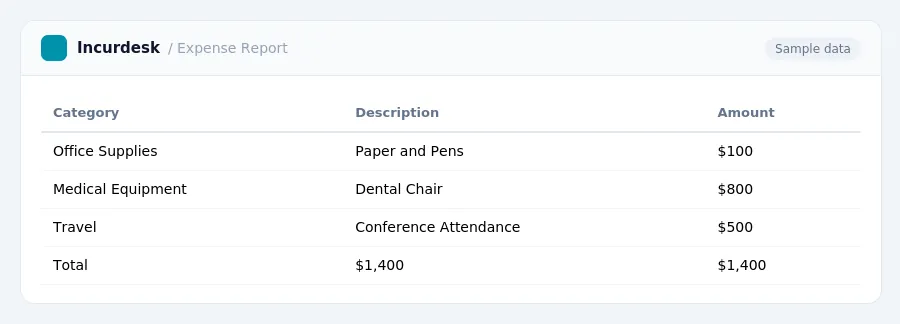
For example, a 10-employee business might pay a base fee of $100 and $5 per employee, totaling $150 per month.
Accounting software prices in the US can vary, but regular monthly prices range from $0 to $340. Some accounting software may offer free or low-cost plans, while others may charge a higher monthly fee.
Be sure to factor these costs into your budget when choosing a payroll and accounting software solution.
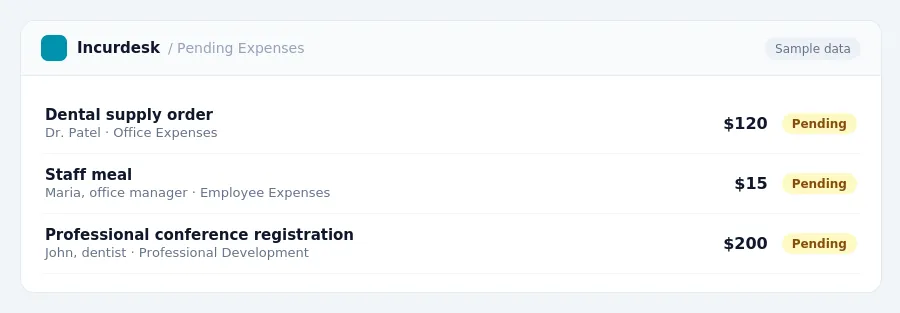
Keeping this simple: Incurdesk lets your team snap a photo of a receipt and fills in the details for you. It is built for small dental practice teams. Try it free.
Cybersecurity and Compliance Expenses for Small Dental Practices
This requires investing in robust cybersecurity measures and staying up-to-date on compliance requirements.
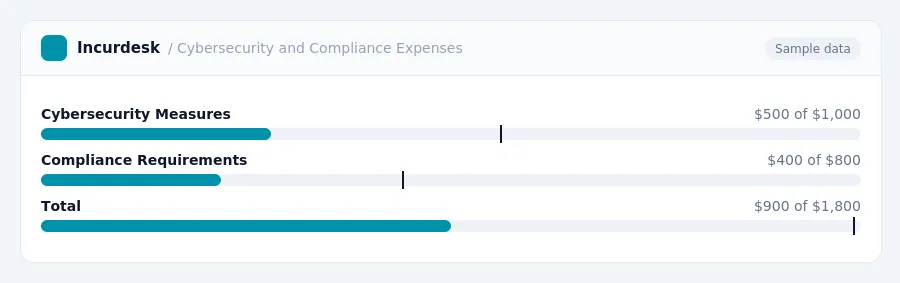
Some practice management system platforms offer introductory rates from $0 to $400 for new practices to help offset the costs of implementing cybersecurity measures.
Here are some estimated annual costs for cybersecurity and compliance expenses:
These costs can vary depending on the size and complexity of your practice. Be sure to check with your practice management system provider for specific pricing and recommendations on cybersecurity and compliance expenses.
Pricing Models for Practice Management Systems
When selecting a practice management system, it's essential to understand the pricing model to avoid unexpected expenses. Most practice management systems offer a subscription-based model, where you pay a recurring fee for access to the software and its features.
There are several pricing models to consider:
- Flat fee: A fixed monthly or annual fee for a specific set of features.
- Per-user fee: A fee charged per user, often based on the number of staff members accessing the system.
- Tiered pricing: A pricing structure with multiple levels, offering different features and fees for each level.
- Custom pricing: Some providers offer customized pricing for large or complex practices.
Consider the following factors when evaluating pricing models:
- Features and functionality: Determine which features are essential for your practice and factor their costs into your decision.
- Scalability: Choose a pricing model that can grow with your practice.
- Support and maintenance: Consider the costs of ongoing support and maintenance, including updates, training, and technical assistance.
It's crucial to review the pricing model carefully and ask questions to ensure you understand all the costs involved. Consider requesting a customized quote or a free trial to test the system before committing to a specific pricing plan.
Hidden Fees in Practice Management Software
Hidden fees in practice management software can add up quickly, so it's essential to understand what you're getting into. Some vendors charge additional monthly fees per provider beyond a certain number. For example, if a PMS vendor charges $50 per month per provider, and you have 20 providers, you'll pay $1000 per month extra.
It's crucial to review your PMS contract carefully to avoid surprise fees. Make sure to ask your vendor about any additional fees or charges, and get them in writing.
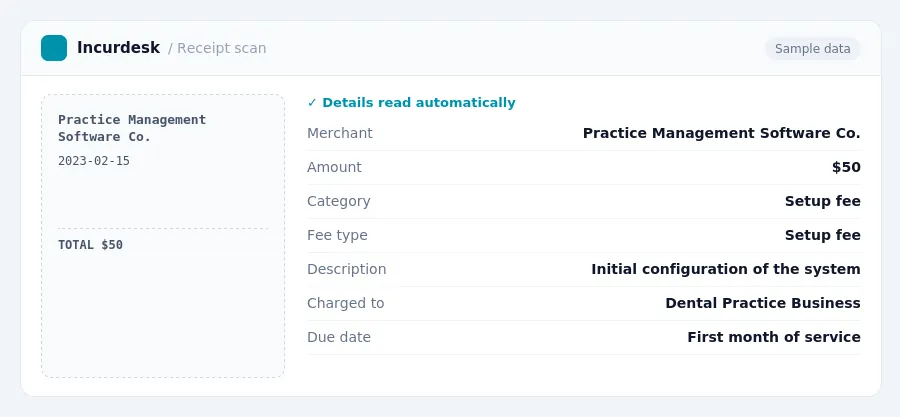
Some PMS vendors may also charge fees for services like data migration, implementation, or support. These fees can vary widely, so be sure to ask about them when you're negotiating your contract.
To avoid hidden fees, make sure to:
- Read your contract carefully before signing.
- Get fees in writing.
Total Cost of Ownership for Dental Practice Expense Software
When calculating the total cost of ownership for dental practice expense software, it's essential to consider all the associated expenses beyond the initial purchase price. Here are some costs to factor in:
- Data conversion: This can be a one-time cost, with prices varying depending on the system.
It's also important to consider the ongoing costs of maintenance, support, and upgrades, which can vary depending on the software and your practice's specific needs. To get a clear picture of the total cost of ownership, be sure to ask your software provider about all the associated expenses and factor them into your budget.
Tax rules, limits and rates change. Confirm current figures with the IRS or your accountant before you file.
Stop losing 4+ hours a week
30-day free trial · No credit card · Setup in 15 minutes