
What Property Managers Pay for Expense Software
A practical, data-backed guide to controlling costs and automating expense workflows.
For small US property management businesses with 5-50 staff, the cost of expense management for property management can vary depending on the specific software chosen.
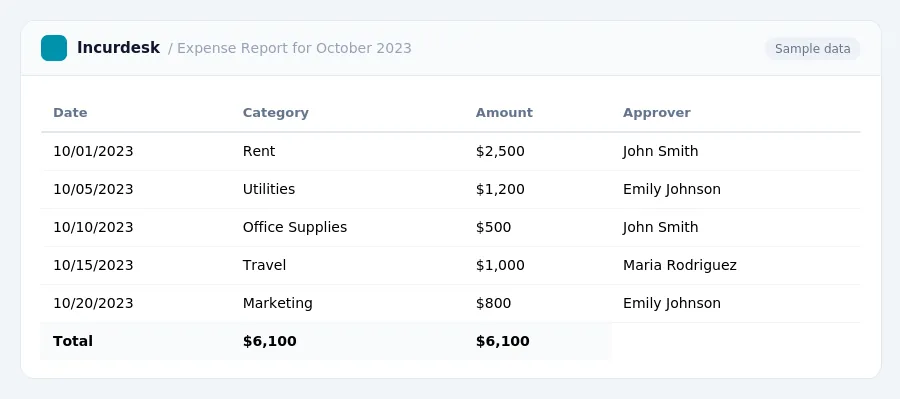
Common Pitfalls in Expense Management and Compliance for Property Managers
As a property manager, it's essential to avoid common pitfalls that can lead to compliance issues and audit risks. One common mistake is commingling trust accounts with operating funds. This means mixing tenant deposits with operating expenses, which is a serious compliance violation. To avoid this, keep trust accounts separate from operating funds at all times.
Another common pitfall is delaying data entry. It's recommended to record expense data weekly, rather than waiting until the end of the month or quarter. This helps ensure that expenses are accurately tracked and recorded in a timely manner.
Mixing personal and rental finances, or trust and operating funds, can also create compliance issues and audit risks. To avoid this, keep your personal and rental finances separate, and ensure that trust accounts are used only for trust-related expenses.
Finally, skipping mileage logs and misclassifying expenses can also lead to compliance issues. Make sure to keep accurate records of business-related mileage and expenses, and classify them correctly to ensure that they are deductible.
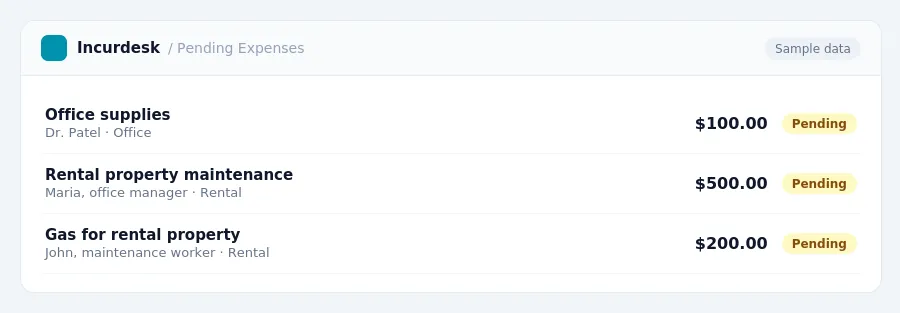
Keeping this simple: Incurdesk keeps receipts and approvals in one place, which makes a written policy easier to follow. It is built for small property management teams. Try it free.
Essential Features and Software Options for Expense Management in Property Management
When selecting expense management software for your property management business, it's essential to consider the features that meet your specific needs. However, for small portfolios (1-50 units), monthly costs for property management software can range from $100-$200.
Key features to look for in a property management software include:
- Property-level accounting, which allows you to track income and expenses for each individual property
- Portfolio-level financials, which provide an overview of your entire portfolio's financial performance
- Dashboards for trend analysis, which help you identify areas for improvement and make informed decisions
When evaluating software options, consider the specific needs of your business and choose a solution that meets those needs. By selecting the right features and software, you can streamline your expense management process and improve your overall financial performance.
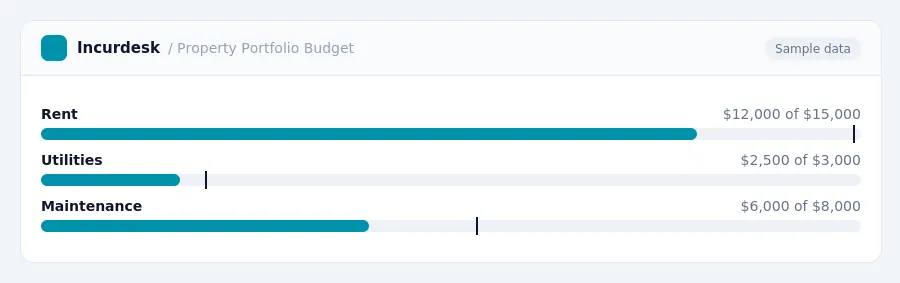
Pricing Models and Cost Estimates for Small Property Management Businesses
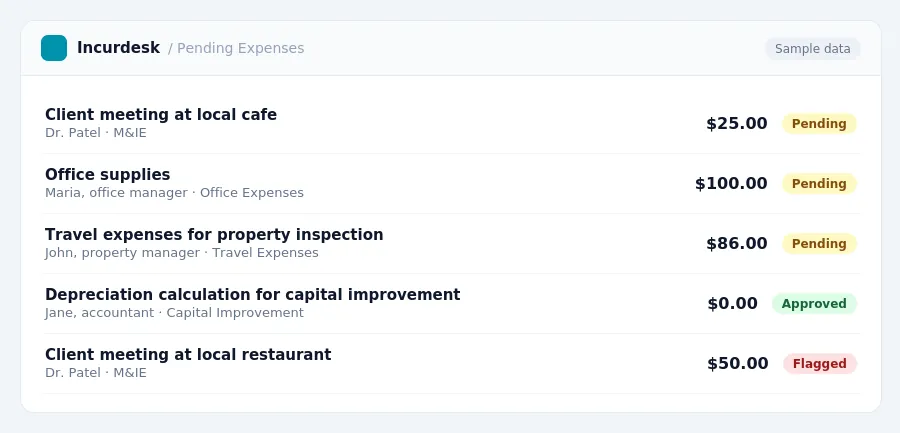
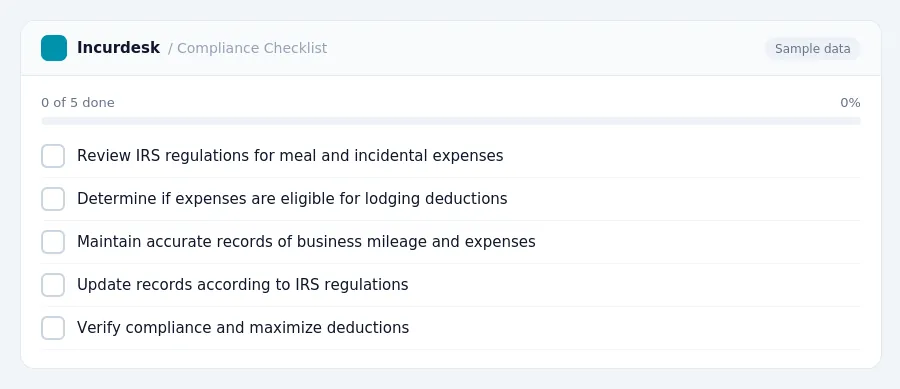
When calculating expenses, consider the IRS per diem rate for travel. The portion allocated to meals and incidental expenses (M&IE) is $86.
When categorizing expenses, note that capital improvements must be depreciated over time. For example, residential rental property is depreciated over 27.5 years.
Property management laws vary significantly by state, covering licensing, landlord-tenant laws, fair housing, security deposits, and eviction procedures. These laws can impact your business, so it's essential to stay informed about state-specific regulations.
When choosing an expense software, consider the pricing model and ensure it fits your business needs. A cost-effective option with the necessary features will help you manage your expenses efficiently.
Understanding IRS Regulations and Deductions for Property Management Expenses
The IRS has specific regulations for deductions related to property management expenses. This amount can be claimed for meals and incidental expenses, but not for lodging.
This rate can be claimed for expenses such as tips, taxi fares, and other miscellaneous expenses.
When it comes to business mileage, the IRS has different rates for different purposes. From July 1 to December 31, 2026, the IRS business mileage rate increased to 76 cents per mile.
It's essential to keep accurate records of business mileage and expenses to claim the correct deductions. Property managers should maintain a log of business miles driven, including the date, starting and ending points, and purpose of the trip.
Important: Property managers should review the IRS regulations and update their records accordingly to ensure compliance and maximize deductions.
The IRS regulations and rates mentioned above are subject to change, and property managers should check the IRS website for the latest information.
State-Specific Regulations and Compliance Considerations for Property Managers
State-specific regulations and compliance considerations for property managers vary by location and can change over time.
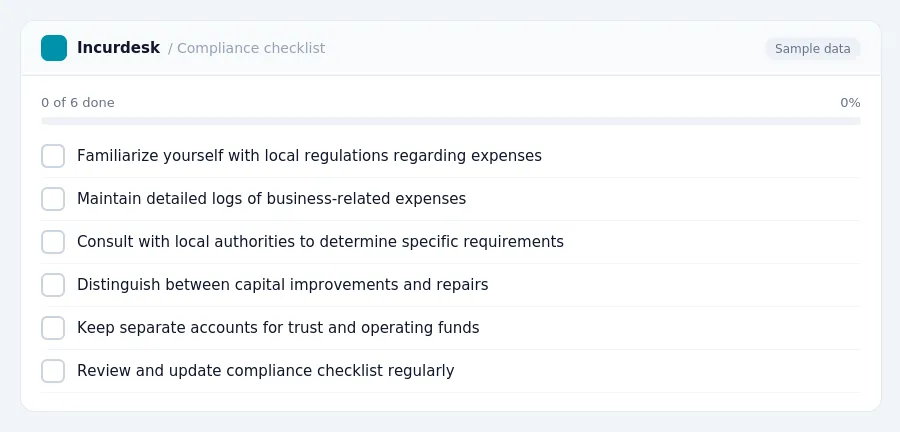
Deductible operating expenses for income-producing properties include ordinary and necessary expenses such as mortgage interest, property taxes, operating expenses, depreciation, and repairs. Property managers should familiarize themselves with local regulations regarding these expenses.
For example, some states may have specific requirements for record-keeping, such as maintaining detailed logs of business-related expenses or keeping separate accounts for trust and operating funds. Property managers should consult with local authorities to determine the specific requirements in their area.
Additionally, property managers should be aware of any state-specific regulations regarding the classification of expenses as either capital improvements or repairs.
To ensure compliance with state-specific regulations, property managers should:
- Keep detailed records of business-related expenses.
- Maintain separate accounts for trust and operating funds.
- Consult with local authorities to ensure compliance with regulations regarding the classification of expenses.
Tax rules, limits and rates change. Confirm current figures with the IRS or your accountant before you file.
Stop losing 4+ hours a week
30-day free trial · No credit card · Setup in 15 minutes