
What Showing and Listing Costs Add Up To Per Deal
A practical, data-backed guide to controlling costs and automating expense workflows.
Showing and listing costs can add up to a significant portion of a deal, varying from one transaction to another. For small real estate businesses, these costs can range from direct expenses like marketing and mileage to indirect costs like commissions and potential concessions. To effectively manage these costs, consider real estate expense management for under $10/user (2026) solutions to help streamline your operations and maximize profitability.
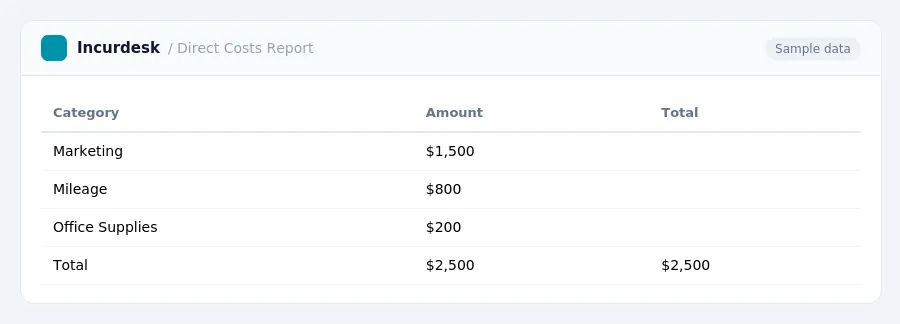
Marketing Expenses for Real Estate Listings
To effectively market listings and attract potential buyers, real estate businesses need to consider various expenses. Start by categorizing your marketing expenses into three main areas: online advertising, print materials, and open houses.
- Online Advertising: Allocate a budget for online listings, social media advertising, and email marketing campaigns. Regularly review and adjust your online advertising strategy to ensure it's reaching your target audience.
- Print Materials: Budget for high-quality listing flyers, brochures, and other print materials that showcase your listings in a professional manner.
- Open Houses: Plan and budget for open houses, including expenses such as venue rental, refreshments, and promotional materials.
When creating a marketing budget, consider the following tips:
- Set specific goals for each marketing campaign, such as increasing website traffic or generating leads.
- Track the effectiveness of each marketing channel and adjust your budget accordingly.
- Consider partnering with other local businesses to co-promote your listings and reduce marketing expenses.
Keeping this simple: Incurdesk turns submitted expenses into clean expense reports. It is built for small real estate teams. Try it free.
Calculating the Total Cost of Selling a Home
Here's a breakdown of the estimated costs for a home valued at the median price of $369,000.
The total realtor fees translate to approximately $20,100 in 2026. This is a significant expense, but it's not the only one. The average cost to sell a home in the US in 2026 is $81,918.
Average marketing and staging costs for selling a home in 2026 are approximately $2,747. Repairs, improvements, or renovations are the largest home-selling expense, averaging $27,649 in 2026.
As you can see, the total cost of selling a home can add up quickly. To give you a better idea, here's a rough estimate of the total costs:
Keep in mind that these are just estimates, and the actual costs may vary depending on your location and the specific needs of your home. However, this breakdown should give you a good idea of what to expect when selling your home.
Direct Costs Associated with Showings and Listings
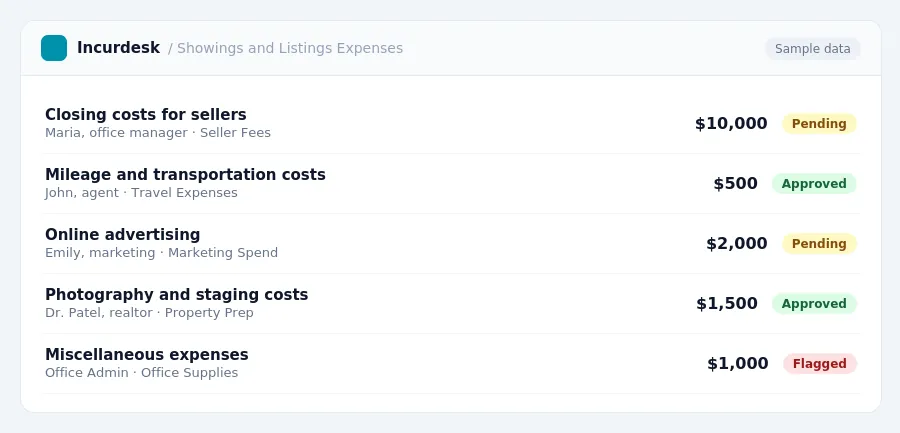
Direct costs associated with showings and listings can be broken down into various expenses. One of the significant costs is closing costs for sellers, which averaged $11,147 in 2026. This amount represents a 36% increase from 2025, indicating a substantial rise in costs. To manage these costs effectively, it's essential to factor them into the overall pricing strategy. Here are some direct costs to consider:
- Closing costs for sellers: $11,147 (2026)
- Mileage and transportation costs for showings and property visits
- Marketing expenses for listing properties, such as online advertising and print materials
- Photography and staging costs for property listings
- Other miscellaneous expenses, such as administrative fees and office supplies
When calculating the total cost of selling a home, it's crucial to consider these direct costs and factor them into the overall pricing strategy. This will help you accurately estimate the costs associated with showings and listings and ensure you're maximizing profitability while providing excellent service to your clients.
Indirect Costs of Real Estate Commissions and Concessions
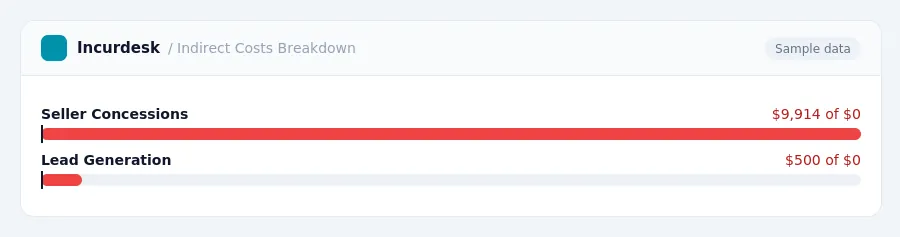
Seller concessions, which can include credits or rebates for closing costs, repairs, or other expenses, averaged $9,914 in 2026. This amount can significantly impact the overall cost of selling a home.
Additionally, real estate agents often pay for leads, which can range from $10–$80 for digital advertising in 2026. For portal leads, the average cost per lead can range from $50–$300+ in 2026.
These indirect costs can add up quickly, and it's essential for real estate businesses to factor them into their pricing and budgeting. By understanding these costs, agents can better advise clients and maximize profitability.
Maximizing Profitability with Accurate Cost Estimation
Accurate cost estimation is crucial for small real estate businesses to maximize profitability. When clients are aware of the costs involved in selling their homes, they can make informed decisions about their budget. Flat fee services charge a predetermined amount upfront for listing on the MLS, which can range from $100 to $1,000.
To calculate the total cost of selling a home, consider the direct and indirect costs associated with showings and listings. This will help you price your services accurately and advise clients on their budget.
Here are some steps to help you estimate costs accurately:
- Keep track of your direct costs, including marketing expenses and mileage.
- Calculate your indirect costs, such as commissions and potential concessions.
- Consider the fees charged by third-party providers, such as title companies and inspectors.
- Adjust your pricing accordingly to reflect the total costs involved in selling a home.
By accurately estimating costs, you can provide better value to your clients and maximize profitability for your business.
Stop losing 4+ hours a week
30-day free trial · No credit card · Setup in 15 minutes