
What Supply and CE Spend Actually Costs a Two-Chair Practice
A practical, data-backed guide to controlling costs and automating expense workflows.
Small dental practices in the US need to manage their expenses carefully to maintain profitability and compliance. When it comes to dental supplies and continuing education (CE), the costs can add up quickly. Understanding what expenses are tax-deductible, average spending benchmarks, and common pitfalls to avoid is crucial for small practices to manage their budget effectively. For the bigger picture, see our guide to expense management for dental practice.
Common Pitfalls to Avoid
For small dental practices generating $1 million in annual revenue, common pitfalls to avoid when managing supply and CE spend include:
- Not tracking expenses: Varying $26,000 to $39,000 per year is a range that may include costs for various supplies and CE materials. To avoid this, track your expenses regularly and keep receipts for all purchases.
- Not budgeting for CE: Dental practices should budget for CE expenses, which can vary widely depending on the type of courses and materials purchased.
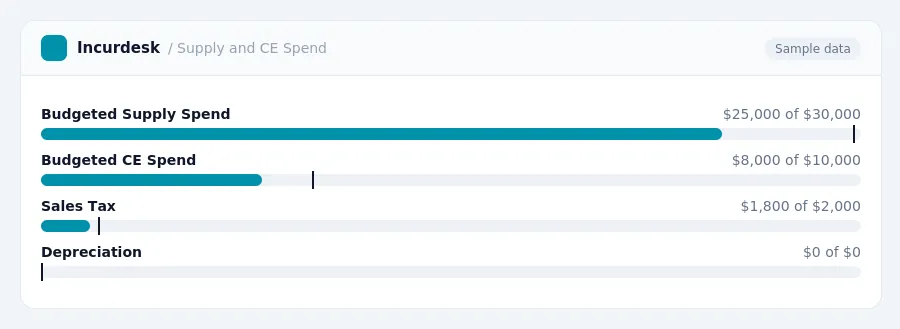
- Not accounting for sales tax: Sales tax can vary by state and city, so it's essential to factor this into your CE spend and ensure you're not overpaying.
- Not considering equipment and supplies depreciation: Dental equipment and supplies have a lifespan and can depreciate over time. This means that purchasing new equipment or supplies may not be the most cost-effective option.
- Not prioritizing essential supplies: Essential supplies, such as dental instruments and materials, should be prioritized over non-essential items. This will help prevent unnecessary waste and ensure the practice remains compliant.
- Not monitoring CE provider contracts: Contracts with CE providers can vary in length and scope, so it's essential to monitor and review these contracts regularly to ensure they're aligned with the practice's needs and budget.
- Not considering the cost of insurance: Dental insurance premiums can vary widely depending on factors such as location, number of employees, and practice size. Consider these costs when budgeting for CE expenses.
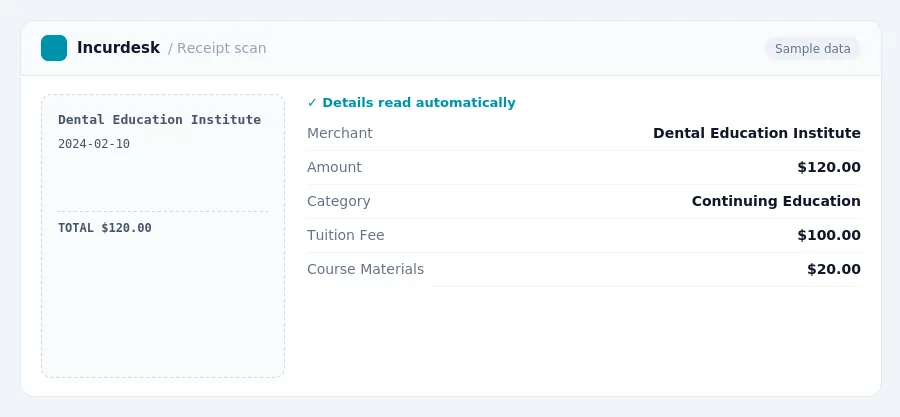
Keeping this simple: Incurdesk lets your team snap a photo of a receipt and fills in the details for you. It is built for small dental practice teams. Try it free.
Calculating and Managing Costs
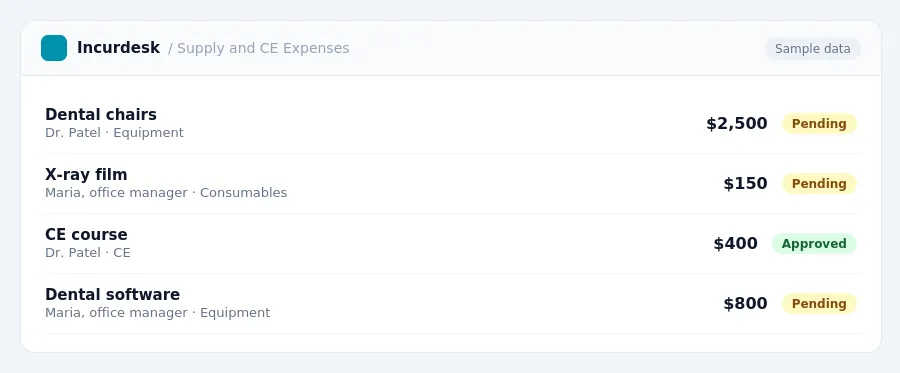
To effectively calculate and manage costs, start by tracking your supply and CE expenses separately. For supplies, categorize your spending into different areas, such as consumables, equipment, and furniture. This will help you identify areas where you can cut costs and optimize your budget.
For CE, calculate the total hours required by your state and multiply it by the average cost per hour ($39). For example, in Texas, you need 24 hours of CE every two years, with at least 16 hours being technical or scientific.
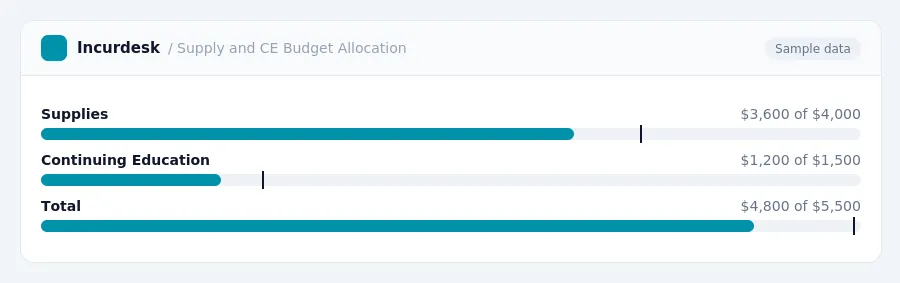
Compare your actual spending to the recommended benchmark of 4% to 6% of total collections on supplies. If you're exceeding this range, consider reducing non-essential spending or negotiating with suppliers for better prices.
Regularly review your supply and CE budgets to ensure you're on track to meet your financial goals. Make adjustments as needed to maintain profitability and compliance.
Average Supply and CE Spend for Small Dental Practices
Healthy dental practices aim to spend 4% to 6% of their total collections on supplies. This may seem like a lot, but it's essential to consider the context and the industry standards.
This amount can vary depending on factors such as the number of staff, the size of the practice, and the type of services offered.
When it comes to continuing education (CE) expenses, small dental practices can also allocate a significant portion of their budget. This can help practices offset the higher costs of new equipment and reduce their taxable income.
This can be a valuable incentive for practices looking to improve their equipment and stay up-to-date with the latest technology.
Understanding Tax-Deductible Expenses
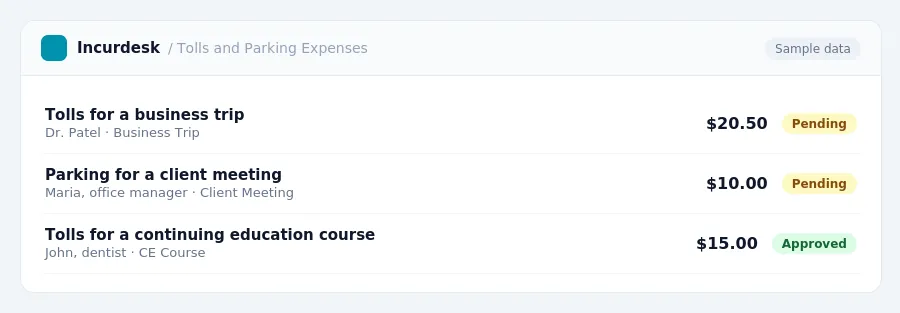
For small dental practices, routine clinical and office supplies are generally fully deductible in 2026 as ordinary and necessary business expenses in the year they are purchased or used. This includes items such as paper, pens, and office furniture. Additionally, tolls and parking costs are also deductible, as long as they are related to your dental practice's business operations.
This is because these expenses are considered personal expenses and not business-related. As a result, you may need to keep records of your travel expenses to support any potential deductions.
It's also worth noting that you can deduct the cost of any educational courses or conferences related to your dental practice's continuing education goals. This can help you stay up-to-date with the latest techniques and technologies in the field. To be eligible for these deductions, you'll need to keep records of the course or conference, including the date, location, and any educational materials you received.
To calculate your tax-deductible expenses, you can use the following guidelines:
- Routine clinical and office supplies: 4% to 6% of total collections (this can vary depending on your practice's size and type)
- Overnight travel-related expenses: 0% (these are not deductible)
By understanding what expenses are tax-deductible, you can better manage your costs and stay compliant with tax laws. Keep accurate records of your expenses and consult with a tax professional if you're unsure about any specific deductions.
Tax-Deductible Continuing Education Expenses
As a self-employed dental professional, you can deduct qualifying continuing education expenses as business expenses on Schedule C for 2026. These expenses include tuition fees, course materials, and other costs directly related to the education.
When it comes to calculating these expenses, make sure to keep accurate records of your receipts, invoices, and bank statements. You can also use a log or spreadsheet to track your expenses throughout the year.
Transportation and travel costs related to qualifying work-related education may also be deductible. This includes costs such as gas, parking, and lodging, but only if these costs are directly related to the education.
For example, if you attend a conference in another city, you may be able to deduct the cost of your flight, hotel room, and meals as long as these expenses are directly related to the conference.
It's essential to keep receipts and records for all of these expenses, as you will need to provide proof of these costs when filing your taxes.
Stop losing 4+ hours a week
30-day free trial · No credit card · Setup in 15 minutes