
What Untracked Maintenance Spend Costs Across a Portfolio
A practical, data-backed guide to controlling costs and automating expense workflows.
Effective expense management for property management is crucial to avoid such losses.
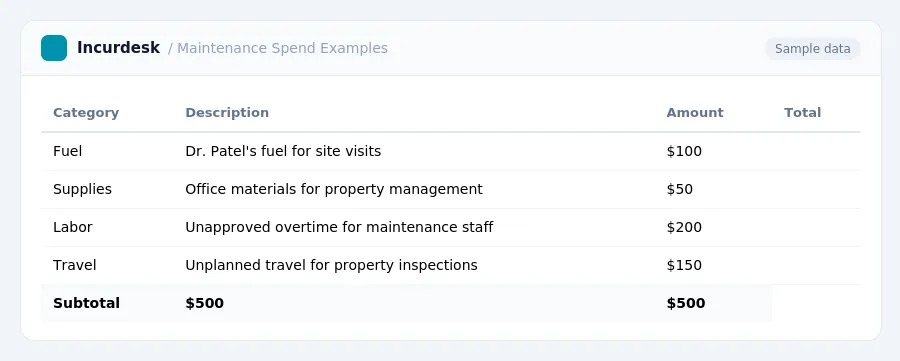
Indirect Costs: Time, Labor, and Regulatory Compliance
Indirect costs associated with untracked maintenance spending can be significant. These costs include time, labor, and regulatory compliance. Time spent on maintenance activities, such as scheduling, coordination, and record-keeping, can be substantial. For example, if a maintenance request takes 30 minutes to process, and you receive 50 requests per month, that's 25 hours of staff time spent on maintenance activities.
Additionally, labor costs associated with maintenance can be indirect. If a maintenance worker is required to travel to a property, their travel time and expenses are indirect costs. Similarly, if a maintenance worker is required to purchase specialized equipment or tools, these costs are indirect.
Regulatory compliance is another indirect cost. The Fair Housing Act and the Americans with Disabilities Act (ADA) require property managers to maintain certain accessibility features. To ensure compliance, property managers must spend time and resources on training, documentation, and record-keeping.
Property managers may need to depreciate the value of their maintenance equipment and tools over time, which can impact their financial statements.
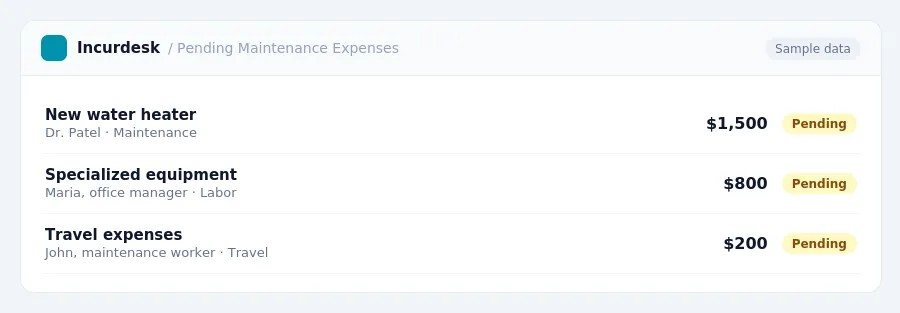
Keeping this simple: Incurdesk keeps receipts and approvals in one place, which makes a written policy easier to follow. It is built for small property management teams. Try it free.
The Financial Impact of Untracked Maintenance Spend
When maintenance spending goes untracked, it can have severe financial consequences for property managers. To mitigate these effects, it's essential to understand the potential outcomes of unmanaged spending.
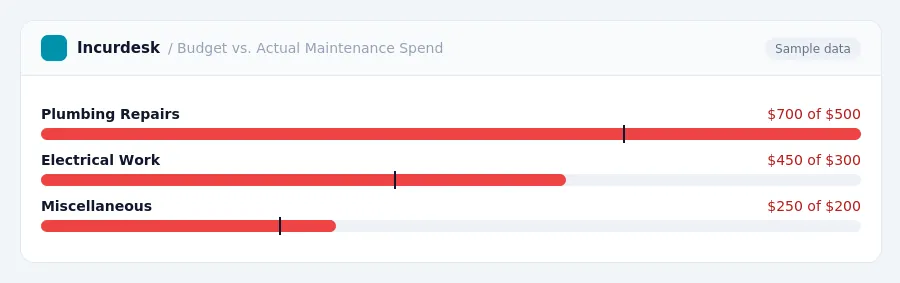
Untracked maintenance spend can lead to budget overruns, as unexpected expenses can quickly add up. This can result in decreased profitability, as excess spending eats into profit margins. Furthermore, tenant dissatisfaction can arise from inconsistent or inadequate maintenance, potentially leading to reduced rental income or even eviction.
To avoid these financial pitfalls, property managers must prioritize accurate tracking and budgeting of maintenance spend. This includes regularly reviewing and adjusting budgets to reflect actual expenses, as well as implementing measures to minimize waste and optimize resource allocation.
By taking proactive steps to manage maintenance spending, property managers can ensure that their financial resources are allocated effectively, maintaining the integrity of their properties while maximizing profitability.
Untracked Maintenance Spend: Hidden Costs in Property Management
Untracked maintenance spend can have a significant impact on a property management business, leading to budget overruns and decreased profitability.
Additionally, it's essential to stay up-to-date with regulatory changes that may affect maintenance spend.
Tracking maintenance spend is not just about staying compliant with regulations, but also about making informed decisions about your property's upkeep. By accurately tracking your maintenance expenses, you can identify areas where costs can be optimized and make data-driven decisions to improve your property's overall value.
Here are some steps you can take to start tracking your maintenance spend:
- Keep detailed records of all maintenance expenses, including receipts and invoices.
- Use a centralized system to store and track your maintenance records.
- Regularly review your maintenance spend to identify areas for cost optimization.
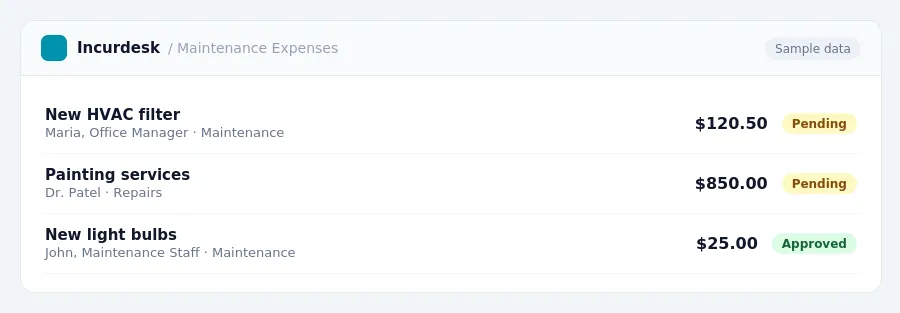
Direct Costs: Fuel, Travel, and Supplies
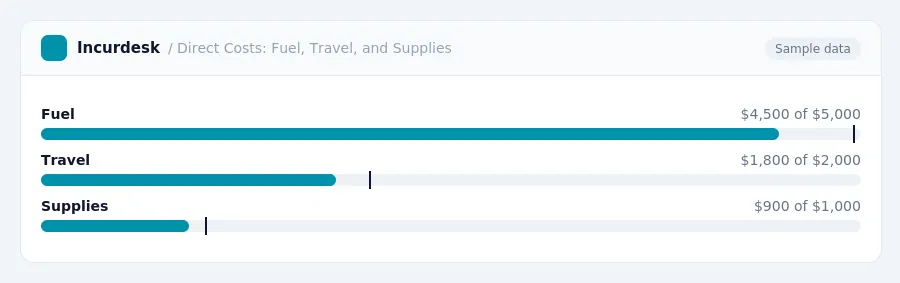
Direct costs, such as fuel, travel, and supplies, can significantly impact your property management budget. To accurately track these expenses, start by categorizing your direct costs into fuel, travel, and supplies. Create separate budgets for each category to ensure you're allocating sufficient funds.
When tracking fuel costs, consider using a fuel log to record the amount of fuel used for maintenance activities. This will help you identify trends and make adjustments to your budget as needed.
For travel costs, establish a clear policy for when maintenance staff can use company vehicles for personal errands. This will help minimize unnecessary expenses. Be sure to track mileage, parking fees, and other travel-related expenses.
Supplies, such as tools and equipment, should also be tracked separately. Consider implementing a system for tracking inventory levels and ordering supplies in advance to avoid stockouts.
Best Practices:
- Keep receipts and invoices for all direct costs.
- Use a centralized system for tracking expenses.
- Regularly review and adjust your direct cost budgets.
Best Practices for Effective Maintenance Spend Tracking and Budgeting
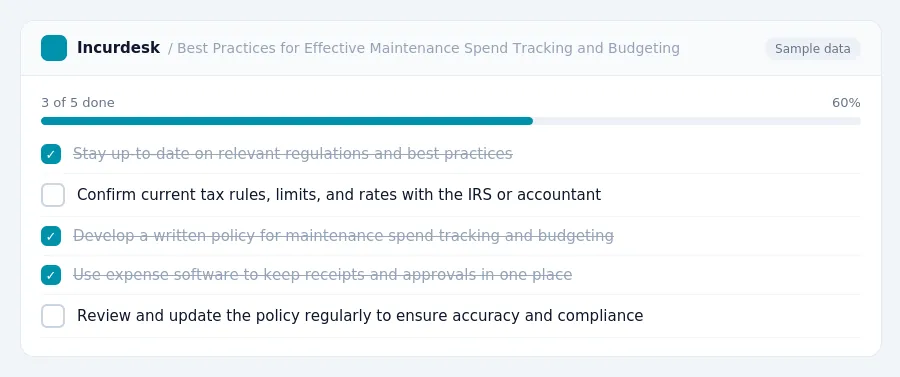
To effectively track and budget maintenance spend, property managers must stay up-to-date on relevant regulations and best practices. Here are some key considerations:
By following these best practices, property managers can ensure accurate tracking and budgeting of maintenance spend, reducing the risk of budget overruns and improving overall property upkeep and profitability.
Tax rules, limits and rates change. Confirm current figures with the IRS or your accountant before you file.
Stop losing 4+ hours a week
30-day free trial · No credit card · Setup in 15 minutes