
What Untracked Material Spend Costs on a Single Job
A practical, data-backed guide to controlling costs and automating expense workflows.
This can also lead to hidden costs like waste and delays, which can further reduce profitability. To minimize these costs, consider implementing effective construction expense management for under $10/user (2026).
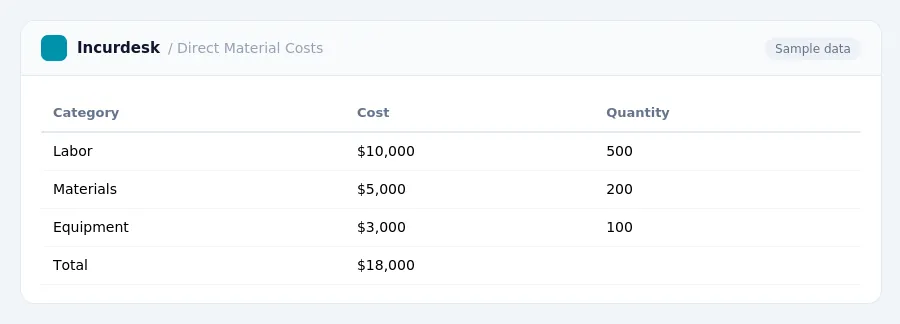
Hidden Material Costs
Untracked material expenses can also lead to hidden costs that eat into your profit margins. These costs often go unnoticed until it's too late, but there are steps you can take to mitigate them.
- Material waste: This is one of the most common hidden costs. It can be reduced by implementing lean construction principles, which have been shown to reduce material waste by approximately 64%. To do this, make sure to plan your projects carefully, minimize over-ordering, and use efficient material handling techniques.
- Delays and overtime: When material deliveries are delayed or lost, it can cause project delays and lead to costly overtime for your employees. To avoid this, make sure to track material shipments and have a plan in place for dealing with delays.
- Equipment and tool wear and tear: If you're not tracking the use of equipment and tools on individual jobs, you may not be accounting for the wear and tear they incur. Make sure to regularly inspect and maintain your equipment to minimize the cost of repairs and replacements.
By being proactive and taking steps to minimize these hidden costs, you can protect your profit margins and keep your business healthy.
Keeping this simple: Incurdesk turns submitted expenses into clean expense reports. It is built for small construction teams. Try it free.
Regulations and Best Practices
To ensure compliance with regulations and maintain a smooth operation, it's essential to follow best practices for cost management and employee reimbursement.
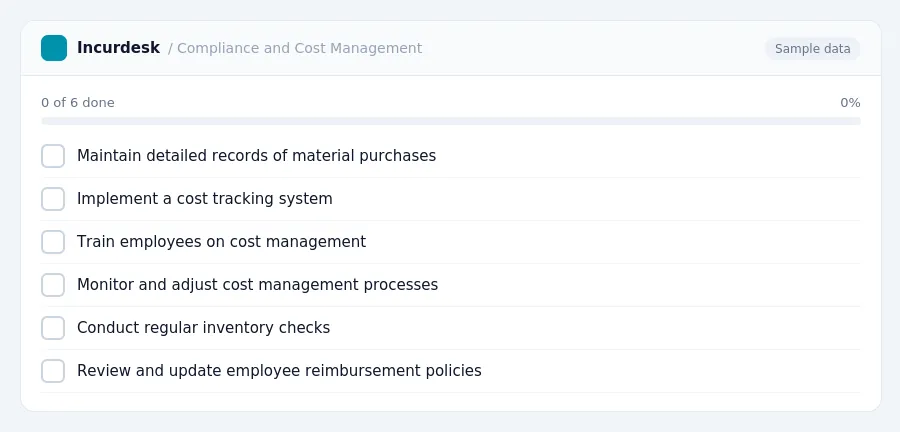
- Keep accurate records: Maintain detailed records of material purchases, receipts, and payments to ensure transparency and accountability.
- Implement a cost tracking system: Use a system that allows you to track material costs in real-time, enabling you to make informed decisions and identify areas for improvement.
- Train employees on cost management: Educate employees on the importance of cost management and provide them with the necessary tools and resources to make responsible purchasing decisions.
- Monitor and adjust: Regularly review your cost management processes and make adjustments as needed to ensure compliance with regulations and optimize profitability.
This can be achieved by:
- Conducting regular inventory checks to identify and remove excess materials
- Implementing a first-in, first-out (FIFO) inventory system to ensure older materials are used before they expire or become obsolete
- Encouraging a culture of waste reduction among employees and contractors
By following these best practices and regulations, you can ensure a smooth operation, reduce costs, and improve profitability.
What Untracked Material Spend Costs on a Single Job
Untracked material spend on a single job can have a significant impact on the financial health of a small construction business. Material prices can fluctuate due to market changes, supplier shortages, tariffs, or inflation, impacting project budgets. Construction estimating errors can also lead to financial losses, material shortages or overages, scheduling delays, and reputational damage.
For example, if a project budget is not accurately estimated, it can result in overspending on materials, which can lead to financial losses. To avoid this, it's essential to regularly review and update project budgets to reflect any changes in material prices or project scope.
Implementing lean construction principles can help reduce material waste by approximately 64%, according to Lean Construction Benefits. This can help reduce costs and improve project efficiency. By tracking material expenses and implementing lean construction principles, small construction businesses can minimize the financial impact of untracked material spend on a single job.
This can help ensure that projects are completed on time and within budget, and that the financial health of the business is maintained.
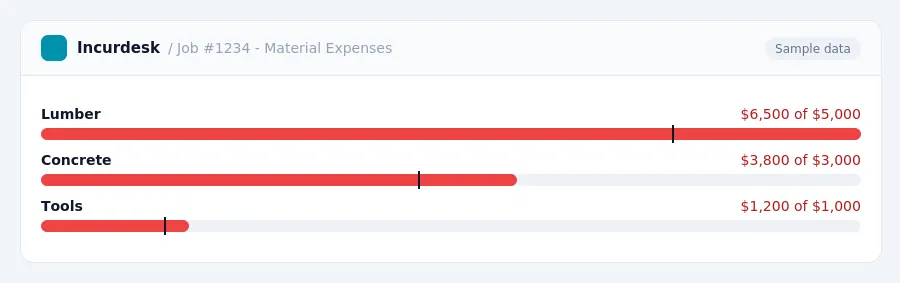
Direct Material Costs
Direct material costs are the straightforward expenses associated with purchasing materials for a job. These costs include the actual price paid for the materials, plus any additional expenses such as transportation and storage. To accurately track direct material costs, you'll want to consider the following:
- Keep detailed records of all material purchases, including receipts and invoices.
- Record the exact amount paid for each material, including any applicable taxes or fees.
- Consider implementing lean construction principles to reduce material waste. This can result in cost savings of approximately 64%.
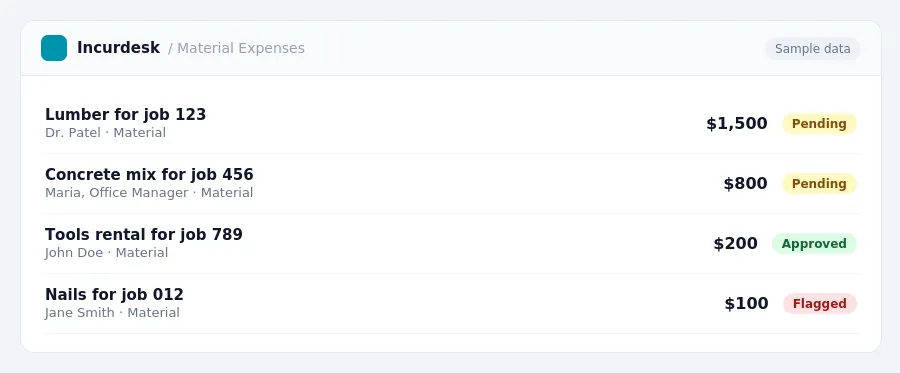
For example, let's say you're working on a job that requires 100 linear feet of lumber.
Employee Reimbursement and Cost Management
Accurate construction cost tracking is critical for managing expenses, staying within budget, and ensuring financial viability.
This will help prevent over-reimbursement and ensure that your business remains compliant with regulations.
This can help minimize unnecessary expenses and improve your overall cost management.
Stop losing 4+ hours a week
30-day free trial · No credit card · Setup in 15 minutes