
What Untracked Showing and Listing Costs Do to Commission Math
A practical, data-backed guide to controlling costs and automating expense workflows.
As a small real estate business owner or office manager, understanding untracked showing and listing costs is crucial to accurately calculating your commission income and reducing your tax liability. To do this, you need to know the specific rules, limits, and rates for various business expenses, including those often overlooked or difficult to track, such as mileage, travel, and marketing expenses. For the bigger picture, see our guide to real estate expense management for under $10/user (2026).
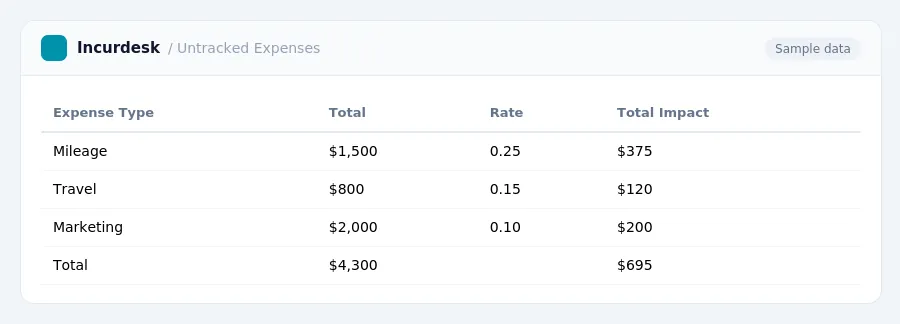
Tracking Expenses for Independent Contractors: A Guide for Real Estate Agents
As an independent contractor in the real estate industry, it's essential to track business expenses to accurately calculate commission income and reduce tax liability. On Schedule C, you can deduct legitimate business expenses, but you need to keep accurate records to support your claims.
Here are some steps to help you track expenses:
- Keep a log or journal to record business-related expenses, including dates, amounts, and a brief description of each expense.
- Save receipts, invoices, and bank statements for all business-related transactions.
- Use a separate business bank account to keep personal and business expenses separate.
- Categorize expenses into types, such as office supplies, travel, meals, and advertising.
Some specific expenses to track include:
- Business use of your car, including mileage logs and maintenance records.
- Travel expenses, such as flights, hotels, and rental cars, for business-related trips.
- Office expenses, such as paper, ink, and software.
At the end of the year, review your records and categorize expenses to ensure accurate reporting on Schedule C.
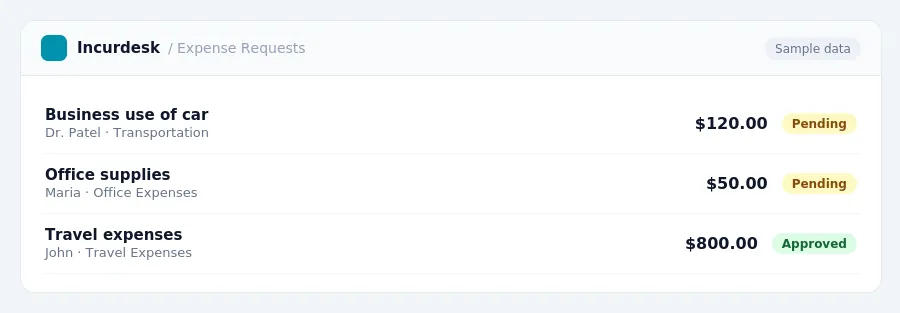
Keeping this simple: Incurdesk turns submitted expenses into clean expense reports. It is built for small real estate teams. Try it free.
Calculating Commission Income with Untracked Expenses: Practical Examples and Tips
When calculating commission income with untracked expenses, it's essential to consider the impact on your business's bottom line. You may also be able to deduct expenses related to your workspace, such as utilities and equipment.
To calculate the impact of untracked expenses on your commission income, start by categorizing your expenses into different types, such as showing and listing costs, business travel, and office expenses. Then, estimate the total amount of each type of expense for the year. You can use a spreadsheet or a simple table to keep track of your estimates.
- Create a table with columns for the expense type, estimated annual amount, and percentage of commission income.
- For each expense type, estimate the annual amount and calculate the percentage of commission income it represents.
- Review your commission income statements to ensure you're accurately accounting for all expenses.
- Consider consulting with a tax professional to ensure you're meeting all tax requirements.
By tracking your expenses and accurately accounting for untracked expenses, you can get a more accurate picture of your commission income and reduce your tax liability.
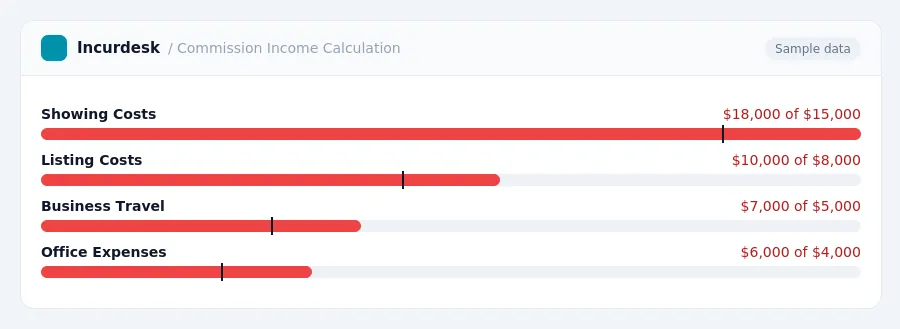
Untracked Showing and Listing Costs: The Hidden Expenses in Commission Math
Small real estate businesses often overlook certain expenses when calculating their commission income. These costs can add up quickly and impact their tax liability. Let's focus on untracked showing and listing costs, which can be easily overlooked.
These fees can vary depending on the brokerage and the specific agreement. Make sure to keep track of these fees, as they can add up quickly.
Keep receipts and records of these expenses, as they can be claimed on your tax return.
This includes costs such as taking clients out for meals or events.
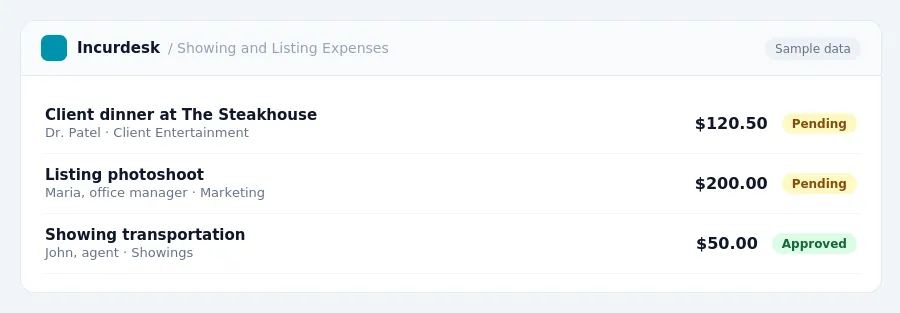
As a real estate agent, you're allowed to deduct expenses that are both "ordinary" and "necessary" for your business. This means the expense is common in your line of work and helps you earn income. To qualify, the expense must be directly related to your business, not just personal.
- Home Office Expenses: Deduct the business portion of mortgage interest, rent, utilities, insurance, property taxes, maintenance, repairs, and depreciation.
- Client Gifts
- Meals with Clients
- Continuing Education (CE) Courses, Licensing Fees, and Professional Dues
Remember to keep accurate records of your expenses, including receipts and invoices.
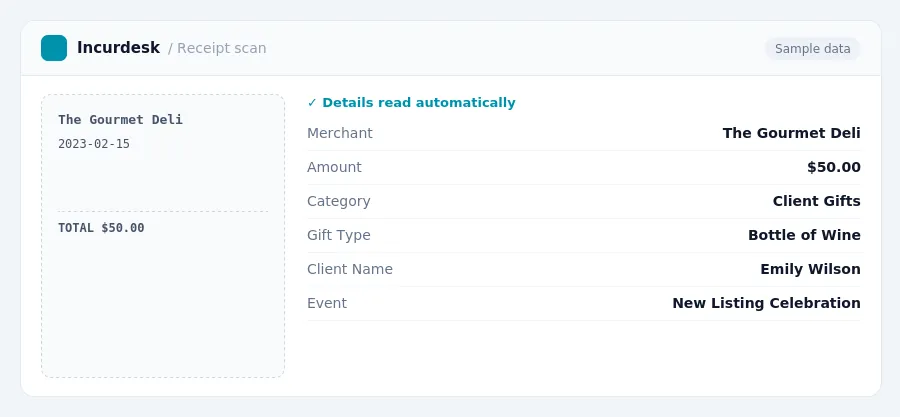
Keep accurate records of all business expenses, including mileage, meals, and travel costs.
Make sure to stay on top of deadlines and filing requirements.
Keep records of all business-related expenses, including receipts, invoices, and bank statements, in case of an audit. It's also a good idea to scan and store digital copies of these documents securely.
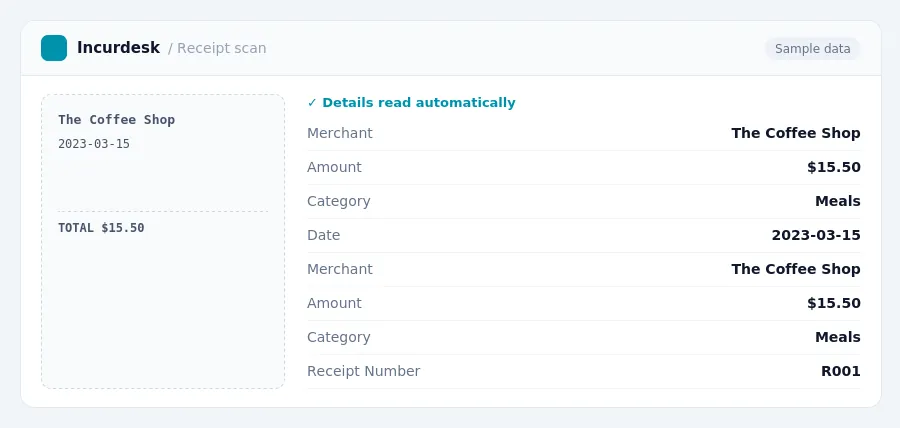
Stop losing 4+ hours a week
30-day free trial · No credit card · Setup in 15 minutes