
When a Property Management Company Needs Real Expense Software
A practical, data-backed guide to controlling costs and automating expense workflows.
When it comes to managing expenses, small property management businesses need to stay on top of their financials to maximize profitability and avoid penalties. Effective expense management for property management is crucial for navigating tax regulations, depreciation rules, and record-keeping best practices. By implementing the right tools and strategies, you can ensure accurate tracking and timely deductions, ultimately reducing your tax liability and increasing your bottom line.
Staying Compliant with IRS Regulations and Reporting Requirements
The IRS requires property management companies to maintain accurate and detailed financial records, including expense tracking, to ensure compliance with tax regulations and reporting requirements.
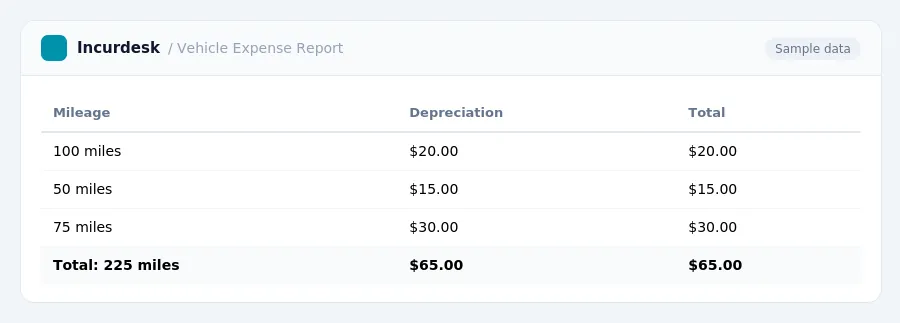
For vehicle expenses, the IRS standard mileage rate for business use is 67 cents per mile in 2024. This rate is used for calculating the total business use of a vehicle, including miles driven for business purposes.
- Keep a log of business miles driven to track total mileage.
Alternatively, you can use actual expenses, including depreciation, to calculate business use. In 2024, 30 cents per mile is treated as depreciation.
It's essential to keep accurate records, including receipts, invoices, and bank statements, to support your expense claims. You should also maintain records of business use, including mileage logs and documentation of business-related activities.
Keeping this simple: Incurdesk keeps receipts and approvals in one place, which makes a written policy easier to follow. It is built for small property management teams. Try it free.
Optimizing Property Management Software for Small Businesses
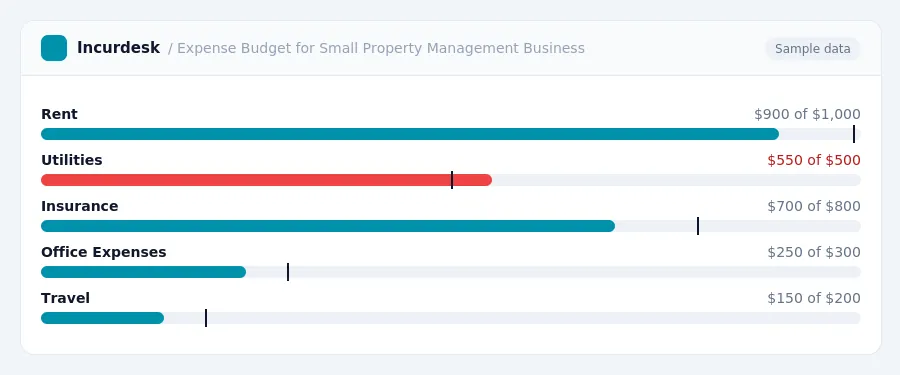
When it comes to optimizing property management software for small businesses, there are several factors to consider. First, make sure you're choosing a software that fits your budget. For small portfolios with 1-50 units, monthly costs typically range from $50 to $150. For portfolios with 1-20 units, flat-fee software is often the cheapest option.
Keep in mind that payments exceeding $600 to non-incorporated businesses for property management fees or broker commissions in 2025 must be reported to the IRS on Form 1099-MISC or 1099-NEC. This threshold increases to $2,000 for 2026.
When selecting a software, look for features that can help you track and manage your expenses, including payment tracking and 1099 reporting. This can help you stay compliant with IRS regulations and avoid penalties.
Section 179 deductions remain unaffected.
To optimize your property management software, consider the following steps:
- Choose a software that fits your budget and meets your needs.
- Make sure the software can help you stay compliant with IRS regulations.
By following these steps, you can optimize your property management software and help your small business thrive.
Understanding the Financial Implications of Property Management
When managing a property, it's essential to understand the financial implications involved. This includes staying updated on tax regulations, depreciation rules, and record-keeping best practices to maximize profitability and avoid penalties. Here are some key factors to consider:
- Section 179 deductions remain unaffected.
- HUDD released new guidance on AI in tenant screening and property advertising on April 29, 2024, emphasizing potential bias and discrimination.
Property managers must also be aware of the potential risks and consequences of non-compliance. Similarly, ignoring HUD's guidance on AI could lead to discrimination claims. To avoid these risks, it's essential to stay informed about the latest regulations and best practices in the industry.
Maximizing Deductions and Credits with Real Expense Software
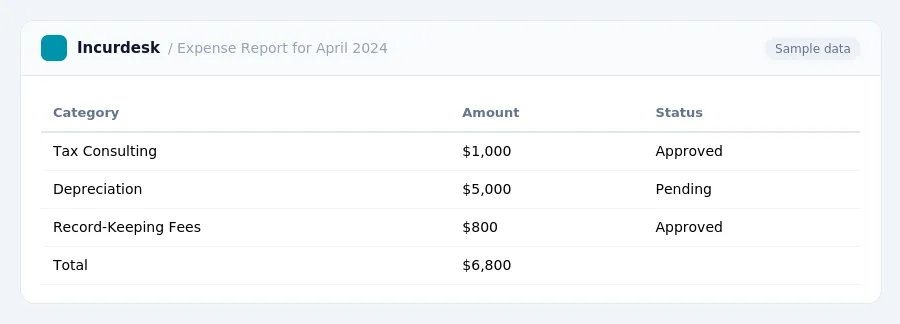
To take advantage of the tax benefits available to property management businesses, it's essential to accurately track and categorize expenses. Real expense software can help streamline this process, ensuring that you're capturing all eligible deductions and credits.
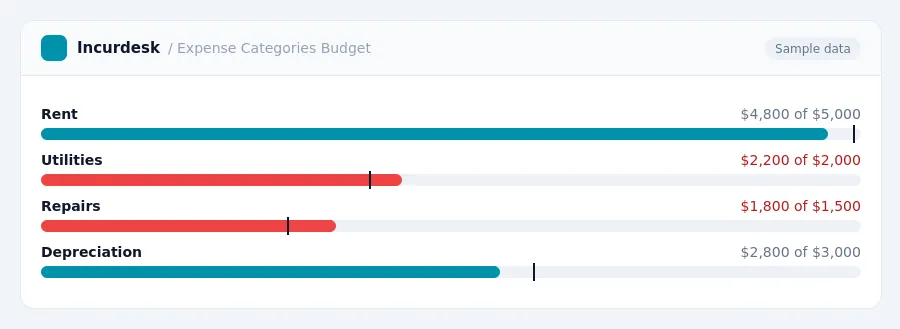
When selecting a real expense software, look for features that allow you to easily categorize expenses by type, such as rent, utilities, and repairs. This will make it easier to identify areas where you can optimize your deductions.
Be sure to also consider the software's ability to track and manage depreciation. This is especially important for property management businesses, as it can significantly impact your tax liability.
To maximize your deductions and credits, be sure to:
- Keep accurate and detailed records of all expenses, including receipts and invoices
- Regularly review and reconcile your expense reports to ensure accuracy
By using real expense software to track and manage your expenses, you can ensure that you're taking advantage of all available deductions and credits, and maximizing your profitability.
Navigating State and Local Regulations and Their Impact on Property Management
As a small property management business, it's essential to stay up-to-date on state and local regulations that impact your operations. These laws can vary significantly from one location to another, so it's crucial to familiarize yourself with the specific regulations in your area.
For example, in California, laws such as AB 12, SB 267, and SB 329 have been enacted to protect tenants and landlords alike. SB 267, in particular, prohibits landlords from denying applicants based solely on government housing assistance or credit history. This means that you must carefully review your application process to ensure compliance with these regulations.
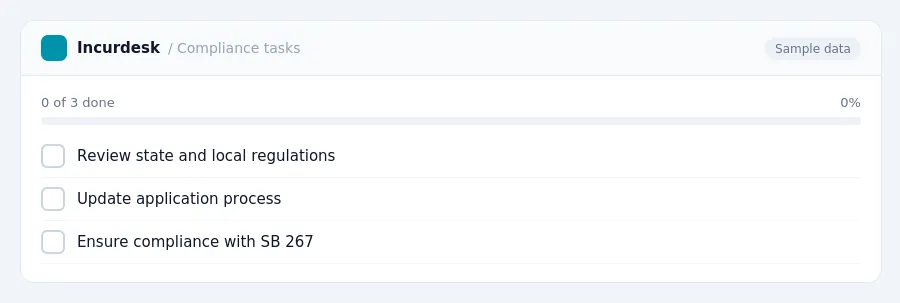
To stay compliant, make sure to:
- Review the specific regulations in your area, including any local ordinances or state laws that may impact your business.
- Update your application process to reflect the changes in California law, such as SB 267.
- Keep accurate records of your tenant screening process to demonstrate compliance with regulations.
Additionally, be aware that state and local regulations can impact your bottom line. While this may not directly impact your expenses, it's essential to stay informed about such changes to make the most of tax credits and deductions.
Stop losing 4+ hours a week
30-day free trial · No credit card · Setup in 15 minutes