Why Agency Expense Ratios Matter
A practical, data-backed guide to controlling costs and automating expense workflows.
Small insurance agency businesses need to understand their expense ratios to ensure profitability and identify areas for cost savings. If the expense ratio is too high, it can lead to financial difficulties and impact the agency's ability to grow and invest in its business. To benchmark their agency's financial performance, small insurance agencies can consult industry reports, such as those from the US Property and Casualty Industry, which reported an expense ratio of 25.8% for 2025. For the bigger picture, see our guide to insurance agencies expense management software. For a complete overview, see our expense management guide.
Typical Expense Percentages for Insurance Agencies
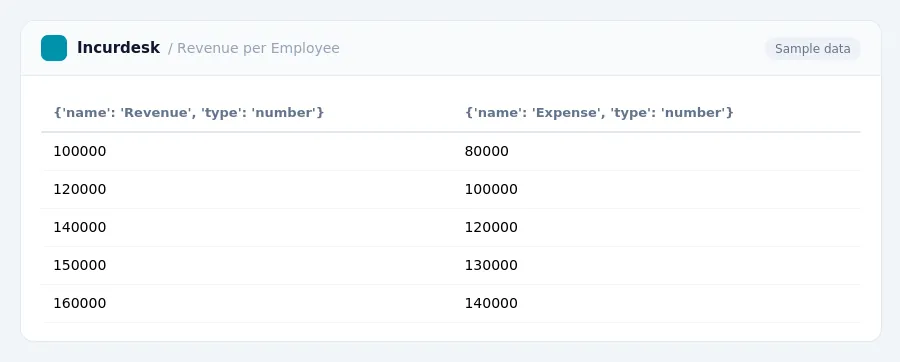
Revenue per employee for insurance agencies in 2026 ranges from $100,000 to $140,000. This range provides a general idea of the expenses associated with running an insurance agency. Here's a breakdown of typical expenses for different revenue levels:
To achieve this, consider the following steps:
- Review your agency's budget and calculate output costs.
- Track and analyze your expenses over a period to identify areas for improvement.
- Consider implementing cost-saving measures, such as renegotiating contracts or reducing overhead costs.
- Regularly review and adjust your expense ratios to ensure they remain within the recommended range.
By understanding your typical expense percentages, you can set realistic goals and work towards maintaining profitability and efficiency in your insurance agency.
Keeping this simple: Incurdesk keeps receipts and approvals in one place, which makes a written policy easier to follow. It is built for small insurance agency teams. Try it free.
Benchmarking Agency Financial Performance
Benchmarking is the process of comparing an insurance agency's financial performance to industry standards. By doing so, agencies can identify areas where they can improve and ensure they are operating within a sustainable financial framework.
To benchmark an insurance agency's financial performance, it is essential to understand industry standards. This ratio represents the average expense percentage of insurance agencies in the industry.
To benchmark an agency's financial performance, follow these steps:
- Review the US Property and Casualty Industry's 2025 expense ratio to determine the benchmark for 2026.
- Calculate the agency's expense ratio as a percentage of gross premiums written. This may involve dividing the agency's gross premiums written by the industry average gross premiums written.
- Compare the agency's expense ratio to the benchmark percentage to identify areas for improvement.
- Address any areas where the agency's expense ratio is higher than the benchmark, such as reducing administrative costs or negotiating better rates with carriers.
Why Agency Expense Ratios Matter
For a small insurance agency business, understanding expense ratios is crucial to ensure profitability. The cost of E&O insurance can range from $1,500 to $3,000 annually in 2026, as reported by the US Property and Casualty Industry. To put this into perspective, the industry as a whole reported an expense ratio of 25.8% for 2025, serving as a benchmark for 2026.
This can be a significant expense for small agencies, especially those with limited budgets. By understanding their expense ratios, agencies can identify areas where they can cut costs and allocate resources more effectively.
For instance, if an agency has a high expense ratio, it may be worth exploring options to reduce its E&O insurance costs. This could include negotiating with insurance providers, reviewing policies, or even considering alternative insurance options. By taking a close look at their expense ratios, small insurance agencies can make informed decisions that will help them stay profitable and grow their business.
The rules in this guide
| Amount | Required | In Incurdesk |
|---|---|---|
| Above $75 | Itemised receipt | Checked on every expense |
| Above $250 | Written business purpose | Checked on every expense |
| Above $500 | Names of attendees | Checked on every expense |
| Above $5,000 | Senior sign-off; never auto-approved | Checked on every expense |
Each rule is checked on every expense by Incurdesk’s approval agent.
Understanding Expense Ratios
In the insurance industry, expense ratios are a crucial factor in determining profitability for small insurance agency businesses. An expense ratio is the percentage of an agency's gross revenue that goes towards paying expenses, such as salaries, benefits, rent, and insurance premiums. A lower expense ratio indicates that the agency is managing its costs efficiently, while a higher ratio may indicate areas for cost savings.
Typical expense percentages can vary depending on the industry and business model, but a standard range is 10-25%. However, this can vary depending on the specific business needs and circumstances.
Common pitfalls in managing costs include:
- Overpaying for insurance premiums, which can lead to higher expenses and reduced profitability
- Underpaying for salaries and benefits, which can lead to burnout and reduced productivity
- Not tracking expenses accurately, which can lead to mismanagement and waste
- Not regularly reviewing and adjusting expense ratios to ensure they remain aligned with industry benchmarks
This may involve:
- Reviewing insurance premiums and adjusting rates accordingly
- Revising salaries and benefits packages to ensure they are competitive and aligned with industry standards
- Implementing cost-saving measures, such as streamlining processes and reducing waste
- Regularly monitoring expenses and making adjustments to stay on track with industry benchmarks.
Common Pitfalls in Managing Costs
Initial licensing costs can range from $200 to $1,500 in 2026. These costs are a significant expense for small insurance agencies, and it's essential to manage them effectively to maintain profitability.
One common pitfall is not accurately tracking expenses. This can lead to inaccurate financial statements, making it challenging to identify areas for cost savings. Another pitfall is not regularly reviewing and adjusting expense ratios. This can result in an expense ratio that is too high, leading to reduced profitability.
Additionally, agencies may overlook the importance of tracking and managing variable expenses. These expenses can vary greatly from one month to another, and not monitoring them can lead to unexpected costs. Furthermore, agencies may not regularly review their fixed expenses, such as rent and utilities, to ensure they are within budget.
To avoid these pitfalls, small insurance agencies should regularly review their financial statements and expense ratios. They should also establish a systematic process for tracking and managing expenses, including regular reviews of variable expenses. By doing so, agencies can identify areas for cost savings and maintain profitability.
AI expense management for finance teams and whoever keeps the books. It checks every expense against your rules, approves the routine ones and chases missing receipts for you.
Try it free for 30 days →Stop losing 4+ hours a week
30-day free trial · No credit card · Setup in 15 minutes