
Why Agent Expense Disputes Happen at Commission Time
A practical, data-backed guide to controlling costs and automating expense workflows.
Agent expense disputes often arise at commission time due to misunderstandings about what expenses are reimbursable, and how they should be documented and reported. To avoid these disputes, it's essential for small real estate businesses to establish clear policies and procedures for managing agent expenses, and to communicate them effectively to their agents. Effective real estate expense management for under $10/user (2026) can help streamline the process and reduce the risk of disputes.
The Role of Contracts in Commission Disputes
Contracts play a crucial role in commission disputes, as they outline the terms and conditions of the agreement between the real estate agent and the client. Since August 2024, buyer agents must have signed agreements before touring homes, and buyer-agent compensation is no longer advertised on the MLS. This change has led to an increased focus on contract clarity and transparency.
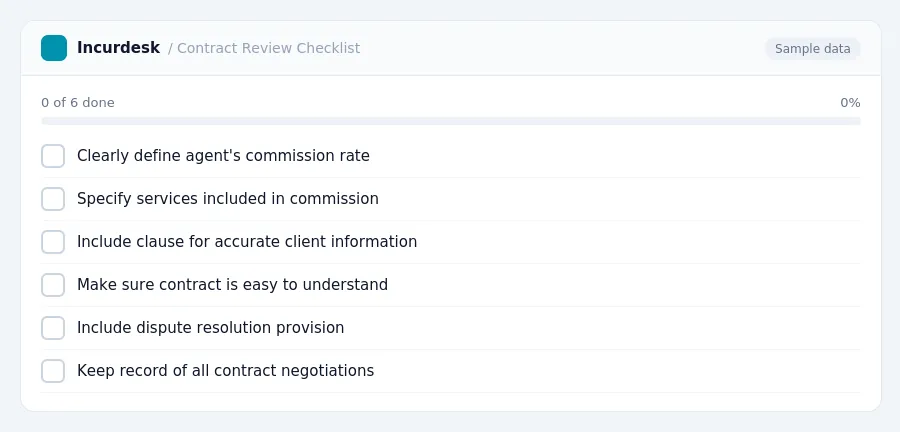
- Clearly define the agent's commission rate and any conditions that may affect payment.
- Specify the services included in the commission and any additional fees.
- Include a clause that outlines the agent's responsibility for providing accurate information to the client.
When drafting or reviewing contracts, consider the following:
- Make sure the contract is easy to understand and free of ambiguity.
- Include a provision for resolving disputes in a fair and timely manner.
- Keep a record of all contract negotiations and changes.
Remember, a well-written contract can help prevent commission disputes and ensure a smooth transaction for all parties involved.
Keeping this simple: Incurdesk turns submitted expenses into clean expense reports. It is built for small real estate teams. Try it free.
Current Rules and Rates: Navigating Complex Commission Regulations
When it comes to commission disputes in real estate, it's essential to understand the complex regulations surrounding agent expenses. Here are some key facts to keep in mind:
Brokerage policies and state regulations can also influence commission agreements. While common splits like 70/30 or 80/20 exist, specific brokerage policies may vary. For instance, some brokerages may offer a higher split for agents who meet certain performance targets. It's essential to review your brokerage's policies and state regulations to ensure you're in compliance.
By understanding these regulations and keeping up-to-date on changes, you can help prevent commission disputes and ensure that your agents are fairly compensated for their expenses.
Understanding Commission Disputes in Real Estate
Commission disputes can be a significant headache for small real estate businesses, often arising from misunderstandings or miscommunication about commission amounts or the procuring cause of a transaction.
- Commission amounts are now fully negotiable and must be agreed upon in writing before services begin, with no standard or customary rate.
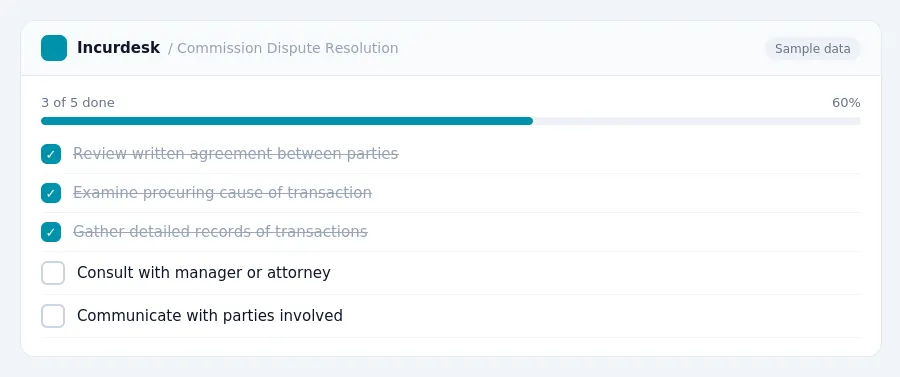
- The procuring cause is central to many commission disputes, examining whether a broker's actions initiated an uninterrupted series of events leading to a completed transaction.
When a dispute arises, it's essential to review the written agreement between the parties to understand the terms and conditions. This can help prevent misunderstandings and ensure that all parties are on the same page.
It's also crucial to keep detailed records of all transactions, including dates, times, and the services provided. This documentation can serve as evidence in case of a dispute and help resolve the issue more efficiently.
By understanding the financial and contractual aspects of commission disputes, small real estate businesses can better navigate these complex issues and protect their interests.
Financial Aspects of Commission Disputes
The financial aspects of commission disputes can be complex and far-reaching, with significant implications for small real estate businesses.
Landmark lawsuits, including the NAR settlement, have led to significant changes in how agent commissions are structured and negotiated. Settlements exceeding $1 billion have been reached, highlighting the importance of properly structuring commission agreements.
When it comes to commission payments, small real estate businesses must ensure they are accurately tracking and reporting payments to avoid disputes. This includes:
- Keeping accurate records of commission payments and transactions
- Reviewing and updating commission agreements regularly to reflect changes in the law and industry practices
By understanding the financial aspects of commission disputes and taking steps to prevent them, small real estate businesses can reduce the risk of costly disputes and ensure a smoother commission payment process.
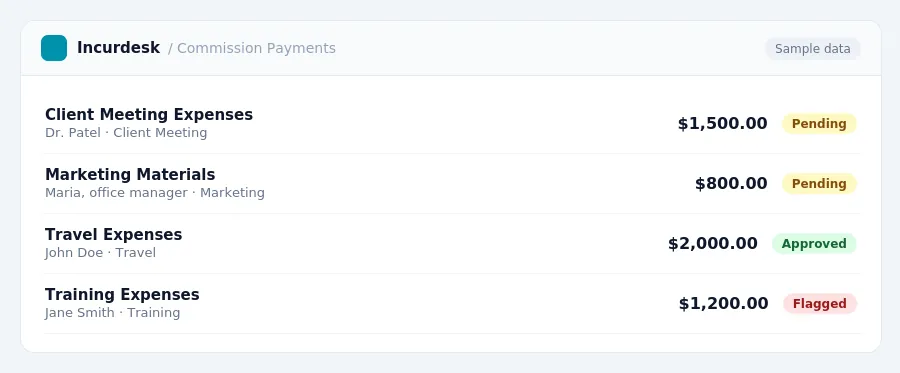
Preventing and Resolving Commission Disputes: Best Practices for Small Real Estate Businesses
To prevent commission disputes, it's essential to understand the financial implications of misclassifying agents.
- Keep accurate records of agent payments and classifications to avoid disputes.
- Stay informed about changes in commission regulations and practices, such as the outcomes of major lawsuits.
When resolving commission disputes, consider the following steps:
- Communicate clearly with agents about commission expectations and payment terms.
- Provide transparent and timely payment to agents.
Always consult local authorities for guidance on commission regulations and best practices.
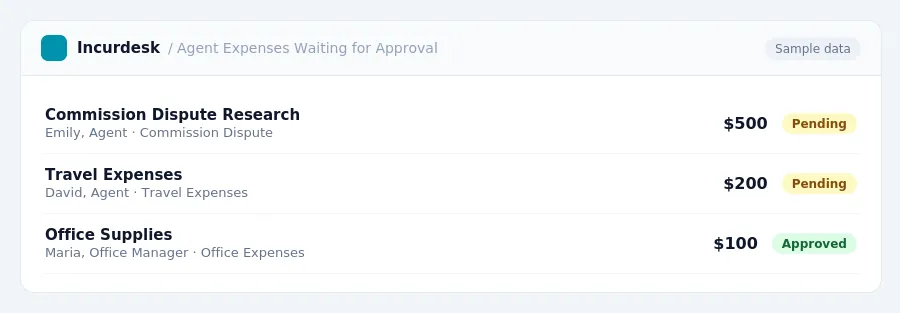
Stop losing 4+ hours a week
30-day free trial · No credit card · Setup in 15 minutes