
Why Owner Statements Expose Weak Expense Records
A practical, data-backed guide to controlling costs and automating expense workflows.
As an owner or office manager at a small property management business, you need to understand the importance of accurate expense records in order to maintain financial transparency and compliance, which is a critical aspect of expense management for property management. Owner statements play a crucial role in this process, and it's essential to know what information to include, how to interpret it, and the potential consequences of errors or omissions. Properly maintained expense records can help you avoid costly mistakes and ensure timely tax reporting.
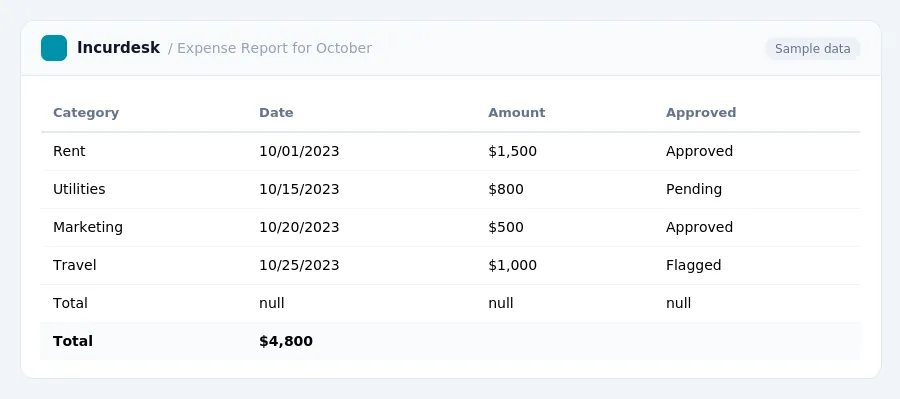
Common Errors and Omissions to Avoid
Here are some common mistakes to watch out for:
- Incorrect income and expense reporting: Double-check that income and expenses are accurately recorded and reported. Ensure that all income is properly allocated to the correct owner or property.
- Missing or incomplete documentation: Make sure all necessary documents, such as receipts and invoices, are attached to the owner statement or easily accessible.
- Incorrect tax withholdingtrade or business.
- Late or missing statements Make sure statements are delivered to the correct address.
- Inaccurate or missing owner information: Verify that all owner information, including addresses and tax identification numbers, is accurate and up-to-date.
Regularly reviewing and updating your owner statement process can help you avoid these common errors and maintain accurate financial records.
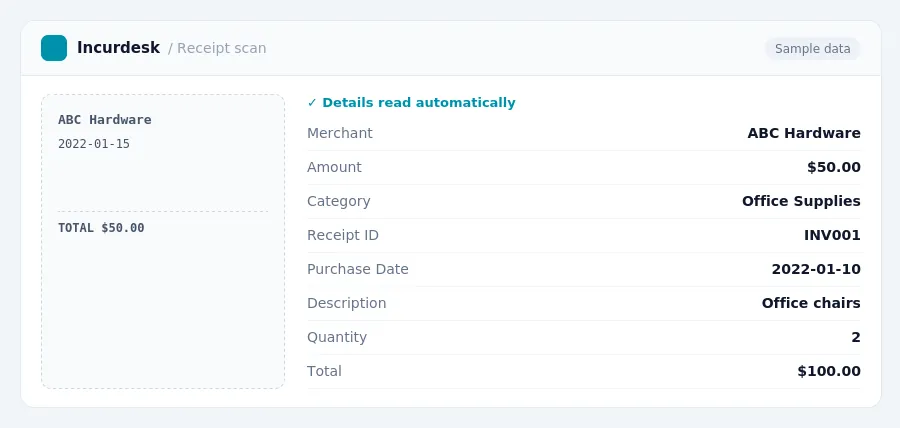
Keeping this simple: Incurdesk keeps receipts and approvals in one place, which makes a written policy easier to follow. It is built for small property management teams. Try it free.
The Role of Accurate Owner Statements in Compliance
Accurate owner statements are crucial for compliance in the property management industry. trade or business. It's essential to ensure that owner statements clearly outline the amount of income earned, any applicable withholdings, and the payment dates.
To maintain compliance, review your owner statements regularly to ensure that all required information is included. This includes:
- A detailed breakdown of income and expenses
- A clear indication of any applicable withholdings
- A statement of any taxes owed or credits applied
Keep accurate records of all owner statements, including supporting documentation, such as receipts and invoices. This will help you to maintain transparency and provide a clear audit trail in case of any discrepancies or issues.
It's also essential to stay up-to-date with changing tax laws and regulations. Consult with a tax professional or attorney to ensure that your owner statements comply with all relevant requirements.
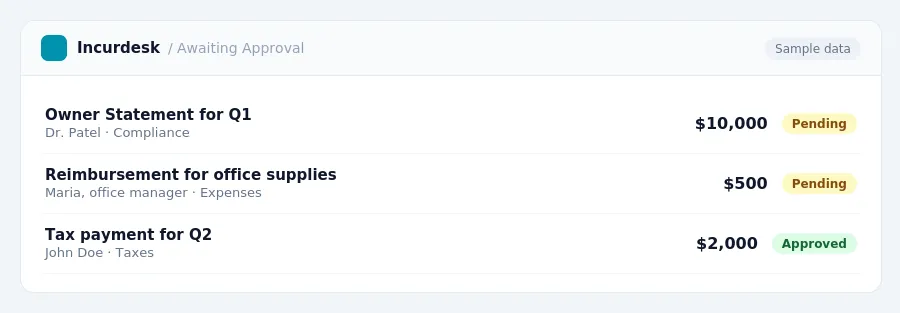
What to Include in an Owner Statement
An owner statement is a critical document that provides a detailed breakdown of the financial activity related to a rental property. To ensure accuracy and compliance, it's essential to include the following information in the statement:
- Property details, such as the address and property type
- Reporting period, which should cover the time frame of the statement
- Beginning balance, which reflects the initial financial position at the start of the reporting period
- Owner information, including their name and tax identification number
- Rental income, itemized by source, such as monthly rent or security deposits
- Operating expenses, categorized and with descriptions, such as utilities or maintenance costs
- Management fees, which should be clearly stated and may vary depending on the agreement
- Reserve funds, which should be accounted for and explained
- The final payout, which represents the amount paid to the owner
Additionally, property managers acting as withholding agents for nonresident owners may need to withhold 30% of gross rental income unless the owner elects to treat income as effectively connected with a U.S. trade or business.
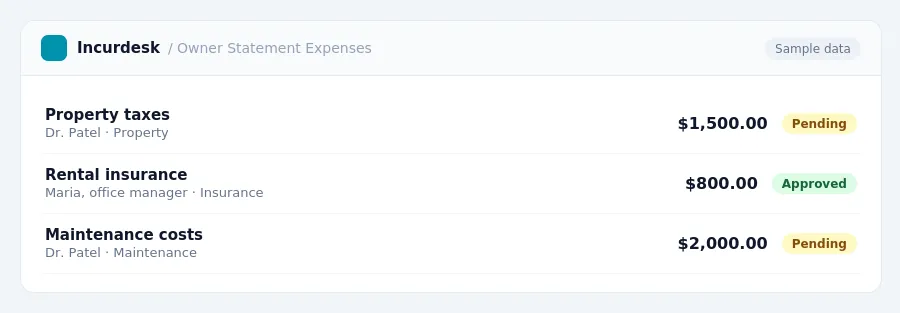
Understanding Expense Records and Their Importance
Expense records are a crucial component of accurate owner statements, as they provide a detailed breakdown of the costs incurred by the property management business on behalf of the owner. To ensure transparency and compliance, property managers must maintain accurate and complete expense records. This includes tracking all expenses related to the property, such as utility bills, maintenance costs, and repairs.
When reviewing expense records, property managers should ensure that they are accurate, complete, and up-to-date. This involves:
- Verifying all expense invoices and receipts
- Recording all expenses in a timely manner
- Keeping separate records for each property
Accurate expense records are essential for several reasons:
- They help property managers to accurately calculate owner statements and ensure that owners are billed correctly
- They provide a clear picture of the property's financial performance, allowing owners to make informed decisions
- trade or business.
By maintaining accurate and complete expense records, property managers can ensure that owner statements are accurate, reliable, and compliant with all relevant laws and regulations.
Best Practices for Maintaining Transparent and Reliable Owner Statements
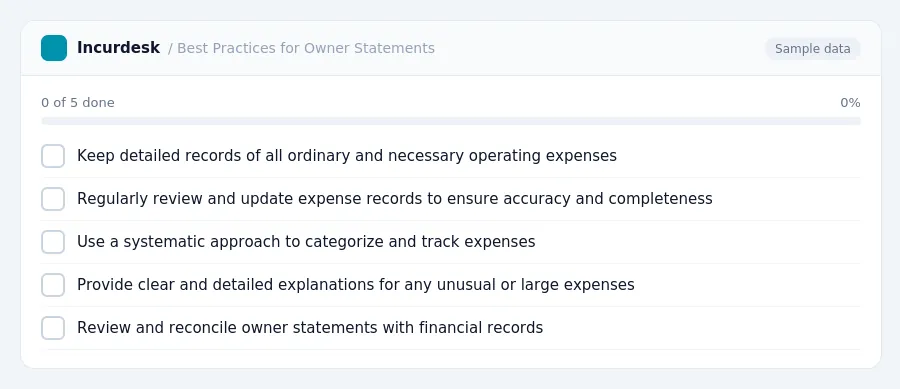
When it comes to maintaining transparent and reliable owner statements, property managers must follow best practices to ensure accuracy and compliance. Here are some key steps to take:
- Keep detailed records of all ordinary and necessary operating expenses, such as maintenance and repairs, insurance premiums, property taxes, utilities, and mileage.
- Regularly review and update expense records to ensure accuracy and completeness.
- Use a systematic approach to categorize and track expenses, such as using separate accounts or spreadsheets for different types of expenses.
- Provide clear and detailed explanations for any unusual or large expenses, and ensure that these explanations are documented in the owner statement.
- trade or business.
- Review and reconcile owner statements with financial records, such as bank statements and ledgers, to ensure accuracy and completeness.
By following these best practices, property managers can maintain transparent and reliable owner statements that meet the needs of owners and ensure compliance with tax regulations.
Tax rules, limits and rates change. Confirm current figures with the IRS or your accountant before you file.
Stop losing 4+ hours a week
30-day free trial · No credit card · Setup in 15 minutes