
Why Practice Management Software Is Not Enough for Expense Control
A practical, data-backed guide to controlling costs and automating expense workflows.
Practice management software can help streamline various aspects of your dental practice, but it may not provide a comprehensive solution for expense management for dental practice. Beyond what software offers, you need to understand federal and state regulations, tax laws, and compliance requirements to effectively manage expenses and stay compliant.
Staying Compliant with HIPAA and Other Regulations
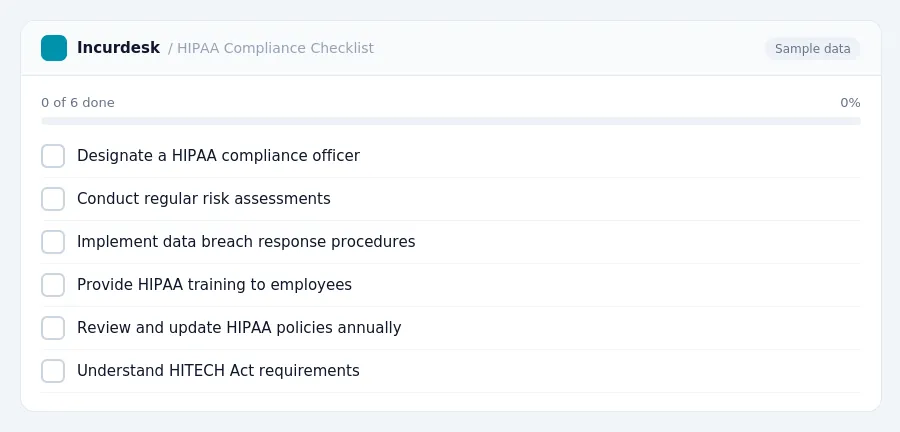
HIPAA requires that you implement administrative, technical, and physical safeguards to safeguard PHI. Here are some key steps to take:
- Designate a HIPAA compliance officer to oversee your practice's compliance efforts.
- Conduct regular risk assessments to identify potential security threats and vulnerabilities.
- Implement procedures for responding to data breaches, including notification of affected patients.
- Provide HIPAA training to all employees who handle PHI.
- Review and update your HIPAA policies and procedures annually.
Other regulations, such as the Health Information Technology for Economic and Clinical Health (HITECH) Act, also apply to your dental practice. Make sure you understand the requirements for secure electronic health records (EHRs) and the consequences of non-compliance.
Keep accurate records of your HIPAA compliance efforts, including training records, risk assessments, and data breach responses. This will help you demonstrate compliance in the event of an audit or investigation.
Keeping this simple: Incurdesk lets your team snap a photo of a receipt and fills in the details for you. It is built for small dental practice teams. Try it free.
Maximizing Deductions and Minimizing Penalties
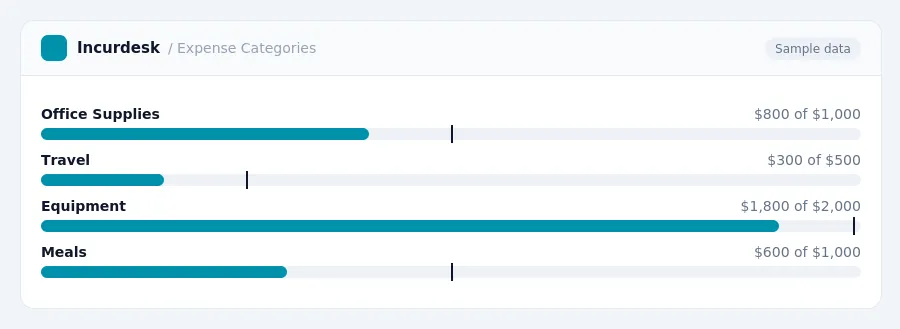
When it comes to managing expenses, it's essential to stay on top of deductions and minimize penalties. Start by keeping accurate and detailed records of all business expenses, including receipts, invoices, and bank statements. This will help you identify areas where you can claim deductions and avoid potential penalties.
Consider implementing a system for categorizing and tracking expenses, such as using a spreadsheet or a dedicated expense tracking tool. This will enable you to quickly identify and claim deductions for legitimate business expenses.
Don't forget to keep track of business use percentages for items like your car, home office, and other assets. This will help you accurately calculate your deductions and avoid any potential penalties.
Make sure to keep detailed records of business meals, including the date, time, location, and purpose of the meal.
Finally, stay on top of any changes to tax laws and regulations that may affect your deductions. Consult with a tax professional or accountant to ensure you're taking advantage of all eligible deductions and minimizing any potential penalties.
Understanding Federal and State Regulations
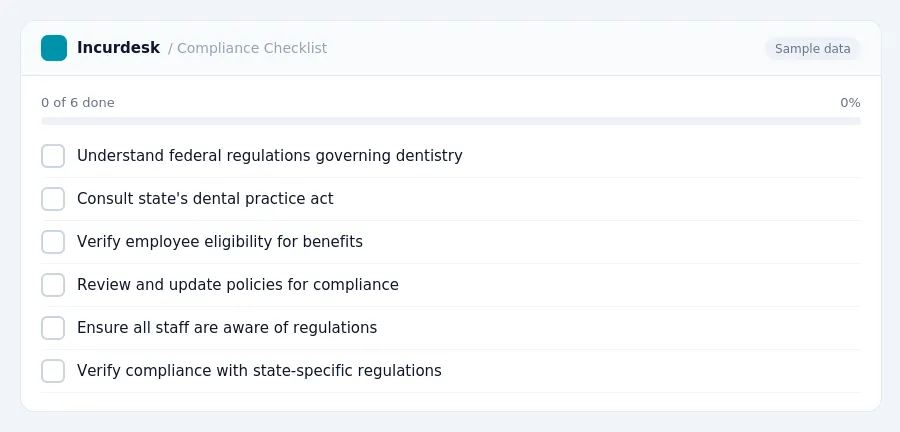
As a dental practice owner, it's essential to understand the complex web of federal and state regulations that govern your business.
To be eligible, employees must have worked for the employer for at least 12 months and clocked 1,250 hours in the preceding 12 months.
Regulations governing dentistry vary significantly by state, impacting licensing, scope of practice, and board oversight. For example, in North Carolina, dental management arrangements can proceed without prior review by the North Carolina State Board of Dental Examiners, as of July 7, 2026.
Consult your state's dental practice act and federal regulations to ensure you're meeting all the necessary requirements.
Compliance costs can quickly add up and put a strain on your practice's budget.
Willful or repeated violations can reach $165,514 per violation.
When it comes to startup costs, the IRS allows deduction of up to $5,000 in business start-up costs and $5,000 in organizational costs, provided total costs do not exceed $50,000.
Stop losing 4+ hours a week
30-day free trial · No credit card · Setup in 15 minutes