Why Seed-Stage Expense Processes Break at 15 People
A practical, data-backed guide to controlling costs and automating expense workflows.
Seed-stage expense processes can become inefficient and problematic as small startup businesses grow from a few employees to around 15 due to varying rules and rates for business expenses. The current rates for these expenses, such as salaries, rent, and utilities, can significantly impact the bottom line. This can lead to financial and operational issues if not managed effectively. For the bigger picture, see our guide to startup expense management for under $10/user (2026). For a complete overview, see our expense management guide.
Mistakes to Avoid When Managing Expense Processes
When managing expense processes, it's easy to get caught up in the excitement of growing a small startup business. However, as the number of employees increases, so do the complexity and potential pitfalls of your expense processes. Here are some mistakes to avoid:
- Don't assume that all employees are familiar with the company's expense policy and procedures. Make sure everyone understands what is expected of them and what is not.
- Be cautious when approving expenses, especially for small purchases. Stick to established approval processes and ensure that all necessary documentation is included.
- Don't let personal expenses blur the lines between business and personal. Be clear about what expenses are company-related and what can be claimed as personal.
- Make sure to accurately categorize and report all expenses.
- Don't rely on company-provided expense reimbursement forms. Instead, use a standardized format that is easily accessible to all employees.
- Be mindful of company policies regarding business use of company vehicles. Ensure that employees understand what is allowed and what is not.
- Don't underestimate the importance of maintaining accurate and up-to-date expense records. Regularly review and reconcile expense reports to ensure accuracy and compliance.
By avoiding these common mistakes, small startup businesses can ensure that their expense processes run smoothly and efficiently, even as they grow and change.
Keeping this simple: Incurdesk keeps receipts and approvals in one place, which makes a written policy easier to follow. It is built for small startup teams. Try it free.
Effective Management of Expense Processes for Small Startup Businesses
One common challenge is when the expense process breaks down, leading to inefficiencies and problems.
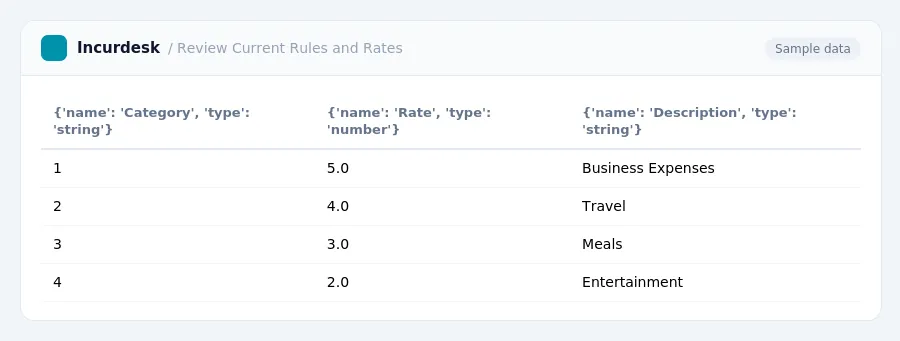
To manage your expense processes effectively, start by reviewing your current rules and rates for business expenses. These rates apply to various types of expenses, such as travel, meals, and entertainment.
When managing your expense processes, it's crucial to avoid common mistakes. Don't let employees overstay their welcome by allowing them to claim expenses indefinitely. Also, be mindful of the 50/50 rule, where employees must split expenses 50/50. This ensures that everyone contributes fairly and avoids conflicts.
To streamline your expense process, consider implementing a system that allows employees to submit expenses electronically. This reduces the administrative burden and makes it easier to track expenses. Additionally, establish clear guidelines for expense reporting, including the required documentation and approval process.
By following these guidelines, you can maintain a streamlined and efficient expense process, even as your business grows. Remember to review and update your rules and rates regularly to ensure they remain relevant and effective.
Tax rules, limits and rates change. Confirm current figures with the IRS or your accountant before you file.
Why Seed-Stage Expense Processes Break at 15 People
Seed-stage expense processes break down at 15 people due to the complexity and nuance of managing a growing business. As a small startup with a few employees, it can be challenging to keep track of and manage the various expense processes that are typically associated with a business. This includes tasks such as invoicing, expense reporting, and payment processing.
One of the main reasons these processes break down is that they require a high level of organization and coordination. As the business grows, it can become difficult to assign tasks to individual employees, and to ensure that all expenses are accurately recorded and reported. Additionally, the sheer volume of expenses can make it difficult to manage and track, leading to errors and discrepancies.
It's also worth noting that as the business grows, it can become increasingly difficult to maintain consistency in the expense processes. Different employees may have different procedures and protocols for handling expenses, which can lead to confusion and inefficiency.
To effectively manage expense processes for a small startup with 15 employees, it's essential to establish clear guidelines and procedures, and to provide training and support to employees. This can include setting up a centralized system for tracking and reporting expenses, as well as providing regular check-ins and updates to ensure that all employees are aware of and compliant with the expense process. By doing so, it's possible to maintain a streamlined and efficient expense process, and to ensure that the business is in compliance with all relevant laws and regulations.
The rules in this guide
| Amount | Required | In Incurdesk |
|---|---|---|
| Above $75 | Itemised receipt | Checked on every expense |
| Above $250 | Written business purpose | Checked on every expense |
| Above $500 | Names of attendees | Checked on every expense |
| Above $5,000 | Senior sign-off; never auto-approved | Checked on every expense |
Each rule is checked on every expense by Incurdesk’s approval agent.
Understanding Federal Income Tax Rates and Rates for Business Expenses
As a small startup business grows from a few employees to around 15 people, it's essential to understand how your expense processes can become inefficient and problematic. These rates apply to the income ranges and are adjusted annually for inflation.
For FY 2026, the rates are:
- $110 for lodging and $68 for M&IE in high-cost localities
Keep in mind that these rates are subject to change and may vary depending on the location. It's essential to review your business's specific expenses and adjust your processes accordingly to ensure compliance with tax laws.
AI expense management for finance teams and whoever keeps the books. It checks every expense against your rules, approves the routine ones and chases missing receipts for you.
Try it free for 30 days →Stop losing 4+ hours a week
30-day free trial · No credit card · Setup in 15 minutes