Year-End Expense Review for Small Marketing Agencies
A practical, data-backed guide to controlling costs and automating expense workflows.
As the year comes to a close, small marketing agencies in the US need to conduct a thorough review of their expenses to maximize tax deductions and ensure financial health. A review of expenses can help identify eligible write-offs and avoid common pitfalls. The most ordinary and necessary advertising and marketing expenses are 100% deductible for the 2026 tax year, provided they are reasonable and directly related to the business. For the bigger picture, see our guide to expense management for marketing agencies.
Year-End Expense Review for Small Marketing Agencies
Business Property
- The business can elect to expense up to $2.56 million of qualifying property in the year it's placed in service for 2026.
- The $2.56 million limit applies to the entire business, not just individual employees or departments.
Startup Costs
- Businesses can deduct up to $5,000 of startup costs in the year operations begin, with the remainder amortized over 180 months.
- The $5,000 immediate deduction phases out if total startup costs exceed $50,000.
Advertising and Marketing Expenses
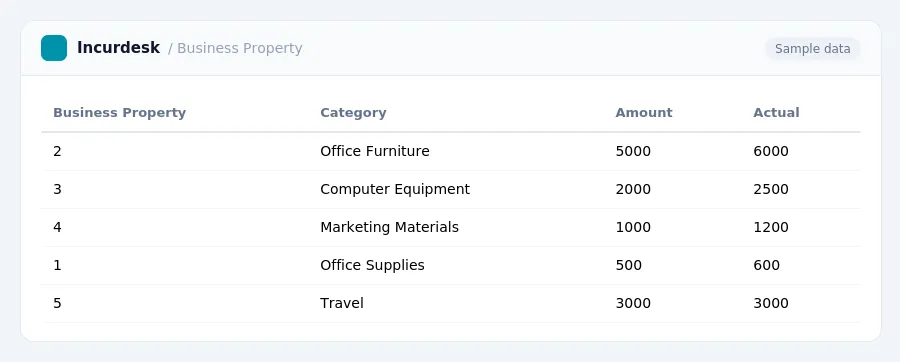
Eligible Business Expenses
Year-End Expense Review for Small Marketing Agencies
Eligible Business Expenses
Business parking and tolls are deductible on top of this rate.
The simplified method allows a deduction of $5 per square foot of dedicated home office space, up to 300 square feet ($1,500 maximum). The regular method involves calculating the actual business-use percentage of home expenses. The space must be used regularly and exclusively for business.
Output HTML only: * Year-End Expense Review for Small Marketing Agencies * Eligible Business Expenses * 72.5 cents per mile standard mileage rate * 76 cents per mile standard mileage rate * $5 per square foot home office deduction * 300 square feet maximum * Regular business-use percentage calculation * Actual mileage-based calculation
Note: For more information, visit the IRS website or consult a tax professional.
Tax Limitations and Deductions
This includes costs such as office supplies, travel expenses, and marketing materials.
It is essential to consult with a tax professional or accountant to determine which expenses are eligible for deduction and to ensure compliance with all tax laws and regulations. To avoid common pitfalls, such as over-deducting or under-deducting expenses, it is crucial to keep accurate records and maintain detailed expense logs. By doing so, small marketing agencies can maximize their tax deductions and ensure financial health.
Common Pitfalls to Avoid
Year-End Expense Review for Small Marketing Agencies
A. Eligible Business Expenses
- Health Insurance Premiums for Employees
- Retirement Plans (e.g., 401(k), IRA)
- Life Insurance Premiums
- Disability Insurance Premiums
- Short-Term and Long-Term Disability Insurance Premiums
- Flexible Spending Arrangements (FSAs)
- Health Savings Accounts (HSAs)
- Adoption Assistance
- Child Care Expenses
- Moving Expenses
- Education Expenses (e.g., college tuition, fees)
- Child and Dependent Care Expenses
- Business Use of Your Home
B. Tax Limitations and Deductions
- Home Office Deduction: Calculate the business use percentage of rent/mortgage interest, utilities, and insurance.
- Meals and Entertainment: Keep receipts for 50% of business-related meals and entertainment expenses.
- Travel Expenses: Keep receipts for 50% of business-related travel expenses.
- Professional Fees (e.g., lawyer, accountant): Keep records of professional fees, including rates and expenses.
C. Common Pitfalls to Avoid
- Don't deduct entertainment expenses as business expenses.
- Don't claim personal expenses as business expenses.
- Don't overstate business expenses or claim false deductions.
- Don't fail to keep accurate records of business expenses.
- Don't delay filing tax returns until the last minute.
- Don't neglect to report income from side hustles or freelance work.
- Don't fail to claim deductions for business-related education expenses.
- Don't claim deductions for personal use of business vehicles.
- Don't fail to report income from affiliate marketing or other non-traditional business activities.
Quarterly Estimated Tax Payments for 2026
For businesses on a calendar year, the quarterly estimated tax payment due dates for 2026 are:
- April 15, 2027
- June 15, 2027
- September 15, 2027
- January 15, 2028
If you pay any payments to non-corporate contractors in 2026, they are subject to Form 1099-NEC reporting. Payments exceeding $2,000 are required to be reported on a Form 1099-NEC.
Tax rules, limits and rates change. Confirm current figures with the IRS or your accountant before you file.
Keeping this simple: Incurdesk turns submitted expenses into clean expense reports. It is built for small marketing agency teams. Try it free.
AI expense management for finance teams and whoever keeps the books. It checks every expense against your rules, approves the routine ones and chases missing receipts for you.
Try it free for 30 days →Stop losing 4+ hours a week
30-day free trial · No credit card · Setup in 15 minutes