Year-End Tax Checklist for Painting Contractors
A practical, data-backed guide to controlling costs and automating expense workflows.
- This includes receipts for materials, labor, and any travel expenses related to the projects.
- Make sure you've claimed all eligible business expenses, including home office expenses, travel expenses, and equipment and supplies.
- Keep accurate and detailed records of all your expenses, including receipts, invoices, and bank statements.
- You'll need to report this income on Schedule C (Form 1040).
- April 15, 2026: Deadline for filing Form 1040 and Form 1120-C for corporations with a calendar-year return
- Not keeping accurate records of business expenses and mileage
- Not consulting with a tax professional or accountant to ensure compliance with tax laws and regulations
- Not properly reporting sales or income from rental properties or other business ventures
- Business Use of Your Home: If you use a portion of your home for business, you can deduct a portion of your rent or mortgage interest, utilities, and insurance as a business expense.
- Equipment and Supplies: You can deduct the cost of painting equipment, such as rollers, brushes, and paint, and supplies, like paint and materials.
- Travel Expenses: If you travel for business, you can deduct expenses like transportation, meals, and lodging.
- Professional Fees: You can deduct fees paid to professionals, such as accountants or lawyers, for tax planning and advice.
- Business Insurance: You can deduct the cost of business insurance, including liability insurance and workers' compensation insurance.
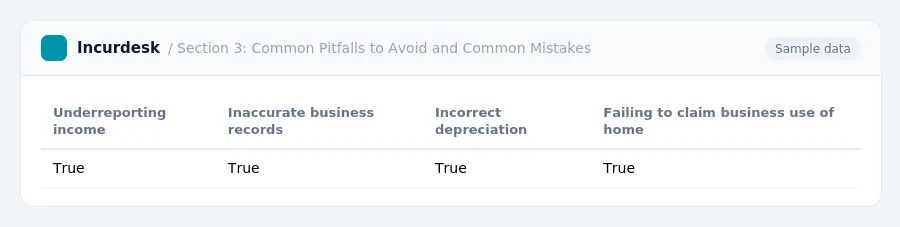
- Underreporting income: Ensure you report all income from painting services, including subcontractor work and material costs.
- Inaccurate business records: Keep accurate and detailed records of income, expenses, and business activities throughout the year. This includes invoices, receipts, and bank statements.
- Incorrect depreciation: Depreciate your painting equipment, materials, and vehicles correctly.
- Failing to claim business use of home
- 1099-NEC Threshold: The reporting threshold for Form 1099-NEC increased to $2,000 for payments made in 2026. This means that contractors must issue 1099-NECs to independent contractors who earn more than $2,000 in a calendar year.
- Sales Tax Remittance: Sales tax collection and remittance rules vary significantly by state. Contractors should check with their state's tax authority to determine the specific requirements for sales tax reporting. In general, contractors must remit sales tax on all sales, including services sold to customers.
- Deadline: The deadline for reporting payments made in 2026 is January 31, 2027. Contractors must ensure they have the necessary documentation and completed forms by this deadline to avoid penalties.
- Record Keeping: Contractors must maintain accurate and detailed records of their payments, including 1099-NECs and sales tax receipts. This documentation will be required for audit purposes and to claim any available deductions.
For the bigger picture, see our guide to painting contractors expense management software. For a complete overview, see our expense management guide.
Year-End Tax Checklist for Painting Contractors
Section 3: Common Pitfalls to Avoid and Common Mistakes
The rules in this guide
| Amount | Required | In Incurdesk |
|---|---|---|
| Above $75 | Itemised receipt | Checked on every expense |
| Above $250 | Written business purpose | Checked on every expense |
| Above $500 | Names of attendees | Checked on every expense |
| Above $2,500 | Senior sign-off; never auto-approved | Checked on every expense |
Each rule is checked on every expense by Incurdesk’s approval agent.
Section 1: Key Deadlines and Tax Deadlines for 2026
Year-End Tax Checklist for Painting Contractors
Here are the key deadlines for 2026:
* Estimated Tax Payment Deadlines: + Q1 (January 1 - March 31): April 15, 2026 + Q2 (April 1 - June 30): June 15, 2026 + Q3 (July 1 - September 30): September 15, 2026 + Q4 (October 1 - December 31): January 15, 2027 * Quarterly Estimated Tax Payments: Payment is due on the 15th day of the 4th month after the end of the quarter. For example, if the quarter ends on March 31, payment is due on March 31. * Specific Dates for Heavy Vehicles:
Remember, it's crucial to keep accurate records and consult with a tax professional if you're unsure about any aspect of the tax process.
Section 2: Deductions and Tax Benefits for Painting Contractors
Year-End Tax Checklist for Painting Contractors
Section 3: Common Pitfalls to Avoid and Common Mistakes
Year-End Tax Checklist for Painting Contractors
Here are some key things to watch out for:
Year-End Tax Checklist for Painting Contractors
Section 4: Reporting Requirements and Compliance
To avoid penalties and ensure compliance, follow these steps:
Tax rules, limits and rates change. Confirm current figures with the IRS or your accountant before you file.
Keeping this simple: Incurdesk turns submitted expenses into clean expense reports. It is built for small painting contractor teams. Try it free.
AI expense management for finance teams and whoever keeps the books. It checks every expense against your rules, approves the routine ones and chases missing receipts for you.
Try it free for 30 days →Stop losing 4+ hours a week
30-day free trial · No credit card · Setup in 15 minutes