
Year-End Tax Checklist for Veterinary Practices
A practical, data-backed guide to controlling costs and automating expense workflows.
As a small veterinary business owner or office manager, you need a clear checklist to ensure you meet all your tax obligations by year-end. expense management for veterinary clinics. For a complete overview, see our expense management guide.
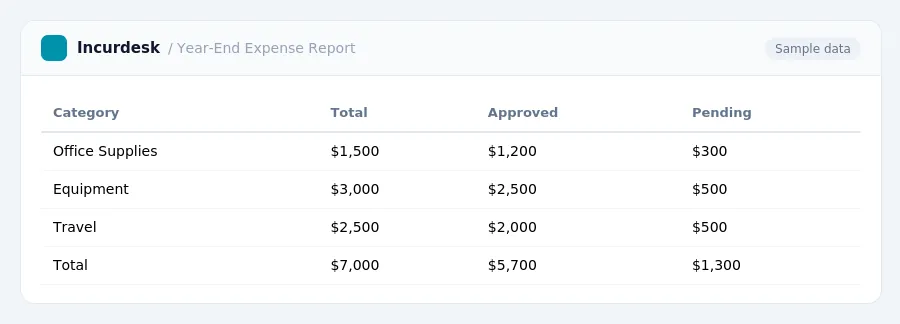
Year-End Tax Deadlines and Obligations
Review the following checklist to ensure timely compliance.
- Self-Employment Tax: If you're a veterinarian or practice owner, you'll need to pay self-employment tax on your net earnings from self-employment.
- Quarterly Estimated Tax Payments: Make sure to pay your quarterly estimated tax payments on time. For 2026, these payments are due on:
- April 15, 2026
- June 15, 2026
- September 15, 2026
- January 15, 2027
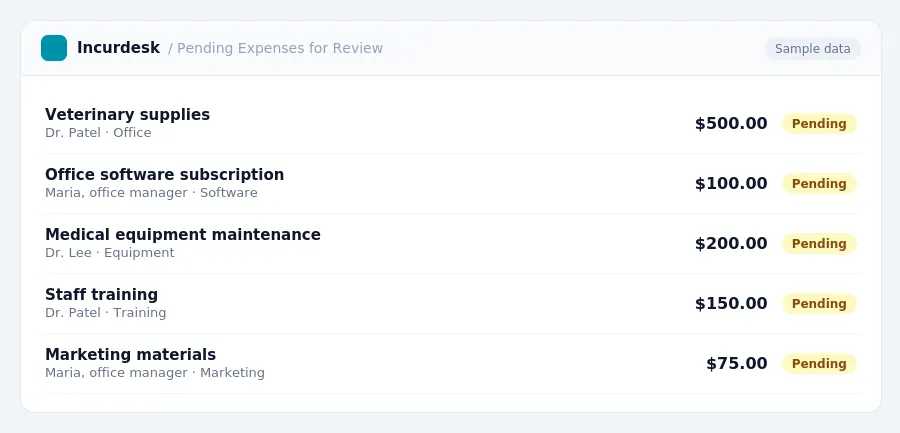
- Business Income and Expenses: Keep accurate records of your business income and expenses to ensure you're reporting the correct amounts on your tax return.
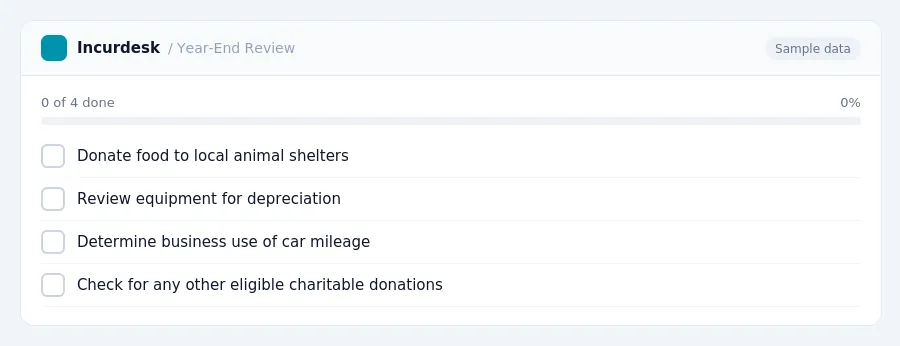
- Explore opportunities for charitable donations, such as donating food or supplies to local animal shelters.
- Review your practice's equipment and supplies to determine if any can be depreciated or expensed.
- Review your practice's business use of your car to determine if any mileage can be deducted.
Business Structure-Specific Tax Considerations
- For calendar year 2025 returns, S-corporations and partnerships must file by March 16, 2026.
- Review your business structure to ensure you are taking advantage of available tax savings and minimizing tax liabilities.
- For S-corporations:
- Ensure you have filed Form 1120S by the deadline.
- Review shareholder distributions to ensure they are properly reported on Schedule K-1.
- For Partnerships:
- Ensure you have filed Form 1065 by the deadline.
- For Sole Proprietors:
Year-End Tax Planning and Compliance for Veterinary Practices
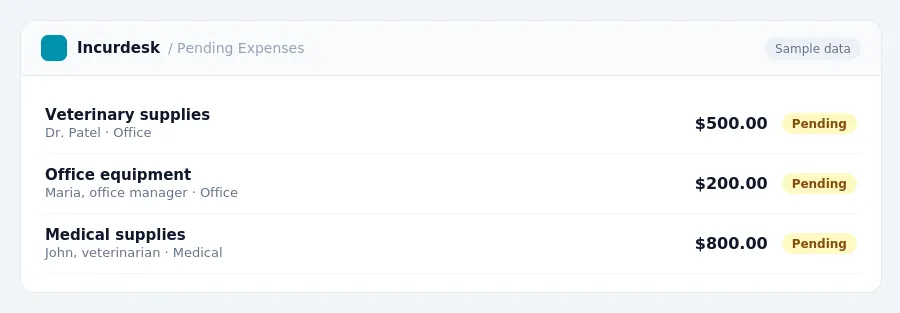
Now that you've completed your year-end tasks, it's time to plan for tax compliance. Here are key steps to take:
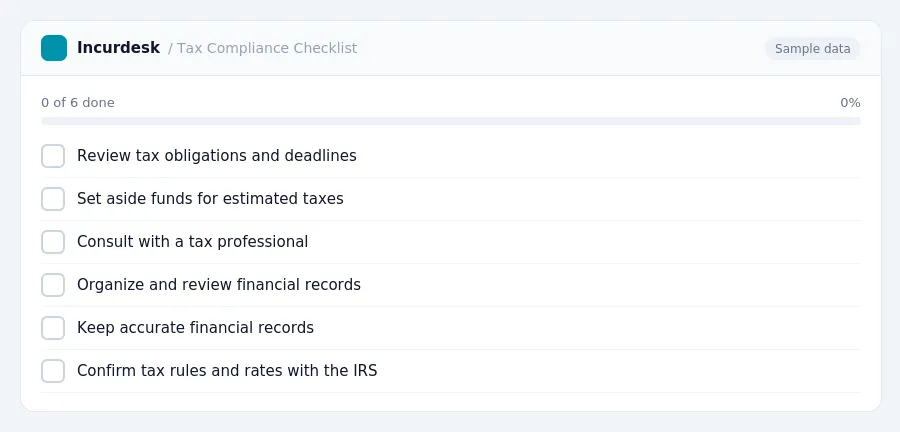
- Review your tax obligations and ensure you're meeting all deadlines.
- Set aside funds for estimated taxes, if applicable.
- Consult with a tax professional to discuss any unique tax situations or concerns.
- Organize and review your business's financial records to prepare for the upcoming tax season.
Make sure to keep accurate and detailed records of your business's financial transactions, as these will be necessary for tax preparation and compliance.
Tax rules, limits and rates change. Confirm current figures with the IRS or your accountant before you file.
Keeping this simple: Incurdesk turns submitted expenses into clean expense reports. It is built for small veterinary teams. Try it free.
Stop losing 4+ hours a week
30-day free trial · No credit card · Setup in 15 minutes