
Accountable Plans for Nonprofit Reimbursements, Explained
A practical, data-backed guide to controlling costs and automating expense workflows.
An accountable plan is a formal, written reimbursement arrangement that allows nonprofits to reimburse staff and volunteers for legitimate business expenses on a tax-free basis. To qualify, the plan must meet specific IRS requirements, ensuring that expenses are business-related, properly documented, and that any excess funds are returned. By implementing an accountable plan, you can effectively manage expense reimbursement for non-profit organizations, ensuring compliance with tax laws and minimizing potential liabilities. For the bigger picture, see our guide to expense management for non-profit organizations. For a complete overview, see our expense management guide.
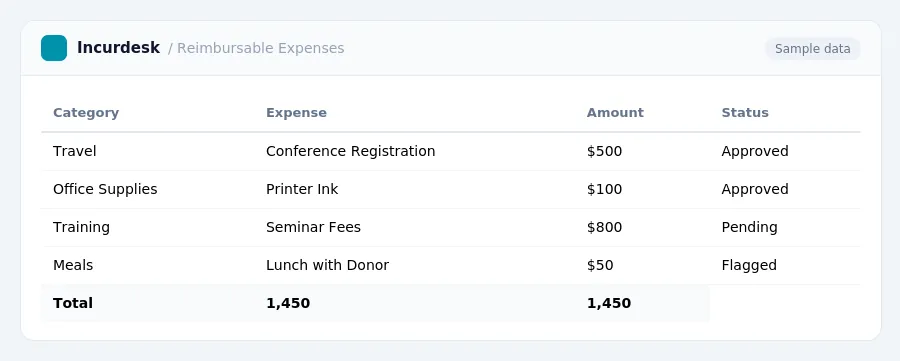
What is an Accountable Plan and Why Do Nonprofits Need One
This type of plan is essential for nonprofits to manage expenses effectively and maintain tax compliance.
A written policy is highly recommended for nonprofits to prove the plan's validity and establish clear expectations. This policy should outline the procedures for submitting and reimbursing expenses, as well as the requirements for documentation and excess fund returns.
Nonprofits can reimburse volunteers for documented out-of-pocket costs under an accountable plan, such as mileage at the charitable rate of 14 cents per mile or documented actual costs. This allows volunteers to receive reimbursement for expenses related to their work without incurring tax liabilities.
While an accountable plan can reimburse 100% of meal and entertainment expenses, only 50% of most meal and entertainment expenses are deductible for tax purposes in 2026. Nonprofits should ensure that they have a clear understanding of the deductibility rules to maximize their tax benefits.
IRS Requirements for Accountable Plans: Expenses, Documentation, and Excess Funds
- Expenses must have a legitimate business purpose and be incurred while the person performs their role for the organization.
- Expenses must be substantiated within a "reasonable period of time," which is considered to be within 60 days of the expense being paid or incurred.
- Excess funds must be returned within 120 days of the date the expense was paid or incurred.
When an accountable plan meets IRS requirements, reimbursements are not reported as wages on an employee's W-2, meaning no income tax, payroll tax, or FICA applies to the employee or the organization.
Receipts are generally required for expenses of $75 or more and for all lodging unless a per diem plan is used.
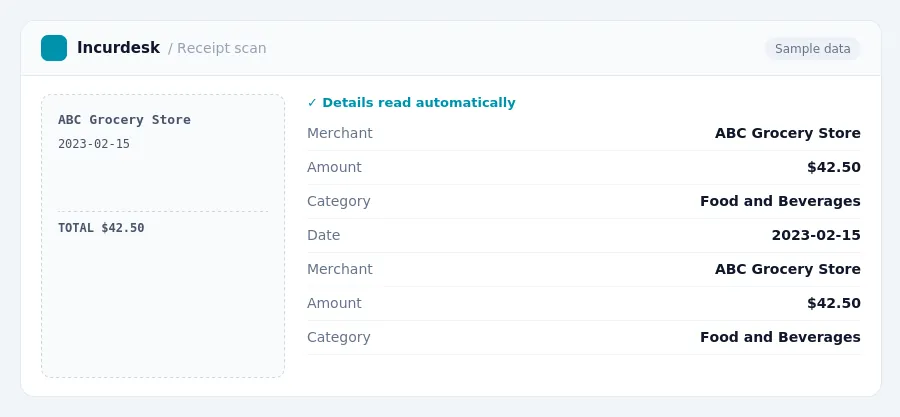
Practical Examples of Expenses Reimbursed Under an Accountable Plan
Here are some practical examples of expenses that can be reimbursed:
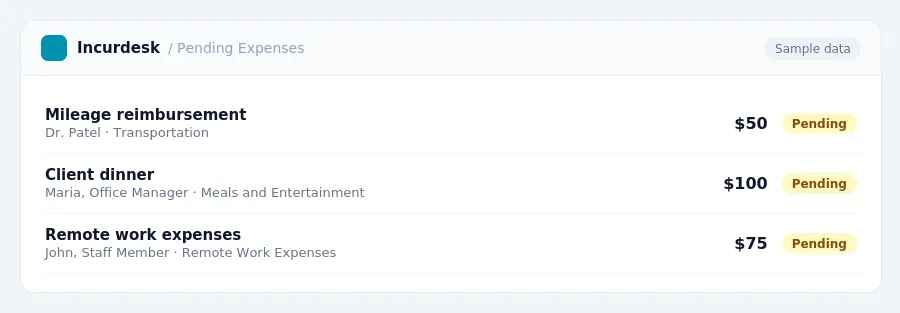
- Mileage: If a staff member drives their car for business purposes, the nonprofit can reimburse them for the mileage at the current rate, which varies annually.
- Meals and entertainment: If a staff member takes a client to dinner, the nonprofit can reimburse them for 100% of the meal expense.
- Lodging: If a staff member stays overnight for business, the nonprofit can reimburse them for the cost of the lodging. If the nonprofit uses a per diem plan, receipts may not be required. Otherwise, receipts are generally required for all lodging expenses.
- Remote work expenses: If a staff member works remotely and uses their own equipment, internet, and other resources, the nonprofit can reimburse them for these expenses.
Remember to keep receipts for all expenses of $75 or more, and for all lodging expenses. Also, be sure to return any excess funds to the staff member within 120 days.
Common Mistakes to Avoid with Accountable Plans and How to Correct Them
Common mistakes to avoid with accountable plans include:
- Lack of a written policy: Create a formal, written policy that outlines the rules and guidelines for reimbursements, including what expenses are eligible and how to document them.
- Retroactive application: Make sure the accountable plan is in place before making reimbursements. Plans cannot be created retroactively.
- Failure to substantiate or return excess: Ensure that all expenses are properly documented and that any excess funds are returned within 120 days.
- Recharacterizing salary as reimbursement: Be cautious when reimbursing employees for expenses that could be considered part of their salary. Make sure to follow IRS rules and guidelines.
Additional mistakes to avoid include:
- Not keeping receipts for expenses of $75 or more and all lodging expenses, unless a per diem plan is used.
- Not updating mileage rates and per diem rates annually.
- Not following state laws, which may have additional requirements for accountable plans.
Correcting mistakes:
- Review and update your written policy to ensure it meets IRS requirements.
- Document all expenses and ensure that excess funds are returned within 120 days.
- Keep accurate records of expenses, including receipts and documentation.
- Consult with a tax professional or accountant to ensure compliance with IRS rules and state laws.
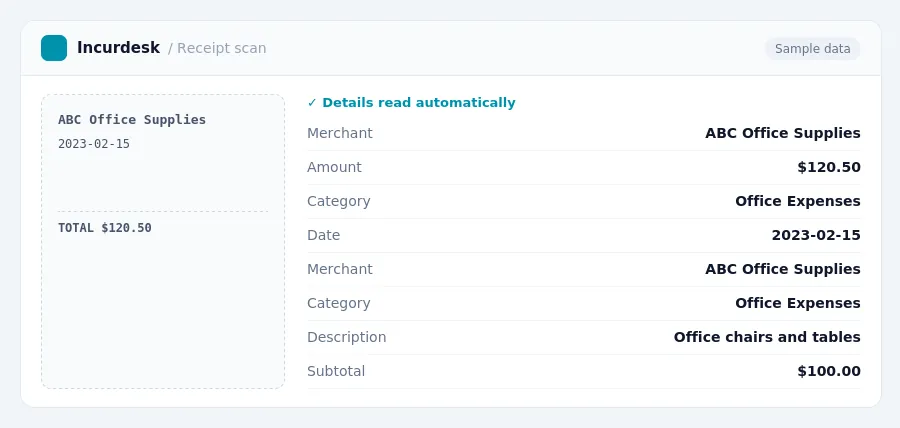
Best Practices for Implementing and Maintaining an Effective Accountable Plan
To ensure your nonprofit's accountable plan is compliant and effective, consider the following best practices:
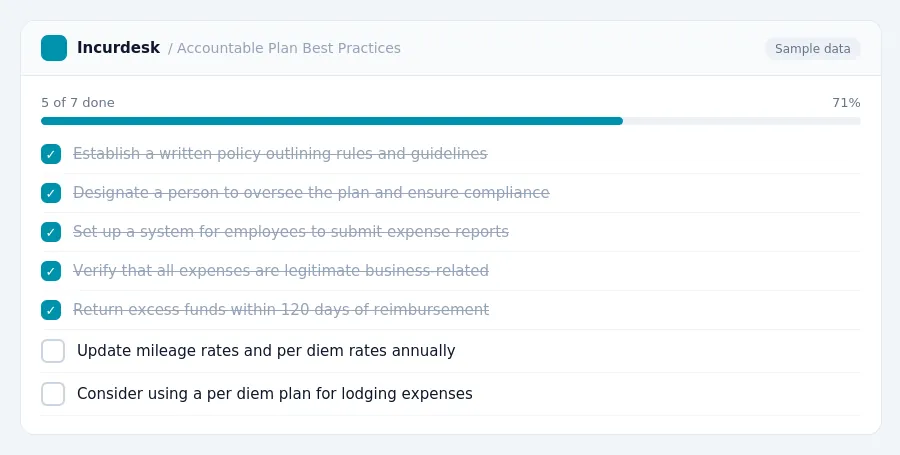
- Establish a written policy that outlines the plan's rules and guidelines.
- Designate a person to oversee the plan and ensure compliance with IRS requirements.
- Set up a system for employees to submit expense reports and provide supporting documentation.
- Verify that all expenses are legitimate business-related and properly documented.
- Return any excess funds within 120 days of reimbursement.
- Update mileage rates and per diem rates annually, as well as high-cost locality lists and meal/entertainment deductibility.
- Consider using a per diem plan for lodging expenses.
- Keep accurate records of all expenses and reimbursements.
- Regularly review and update the plan to ensure compliance with IRS requirements and state laws.
Additionally, consider the following:
- Reimbursements are not considered taxable income for the recipient and are not subject to payroll taxes for the organization.
- State laws may have specific requirements or nuances regarding employee expense reimbursements, so be sure to check applicable laws.
By following these best practices, your nonprofit can ensure that its accountable plan is compliant, effective, and provides the necessary support for its employees and volunteers.
Keeping this simple: Incurdesk keeps receipts and approvals together, so you know exactly what to reimburse. It is built for small non profits teams. Try it free.
Stop losing 4+ hours a week
30-day free trial · No credit card · Setup in 15 minutes