
Client Entertainment Expense Rules for Law Firms
A practical, data-backed guide to controlling costs and automating expense workflows.
These regulations play a significant role in expense management for law firms
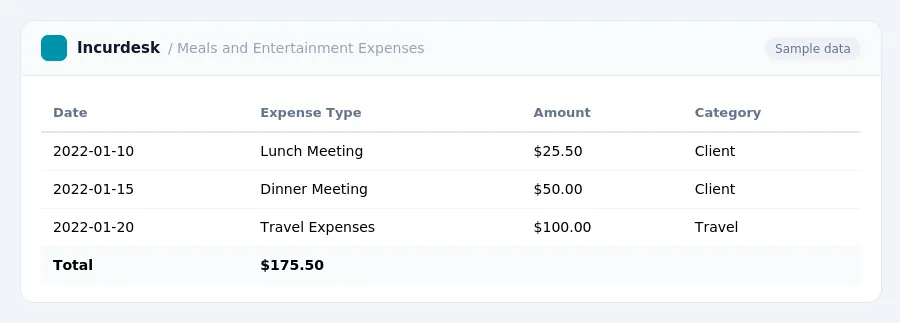
As a small law firm owner or office manager, it's essential to understand the rules surrounding client entertainment expenses.
When it comes to meals and entertainment expenses, there are specific rules to keep in mind. This ensures that the expenses are properly tracked and reported.
To determine the deductibility of a particular expense, consider the following questions: Was the expense incurred for a business purpose? Was the client present during the expense?
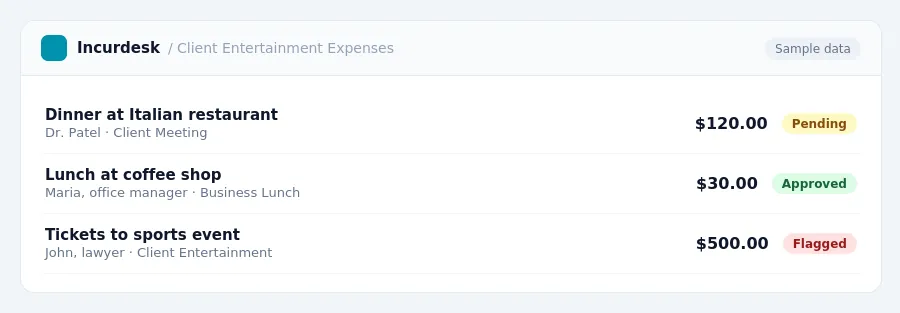
This means that the primary intention behind the expense is to further your business interests, rather than simply to socialize or entertain.
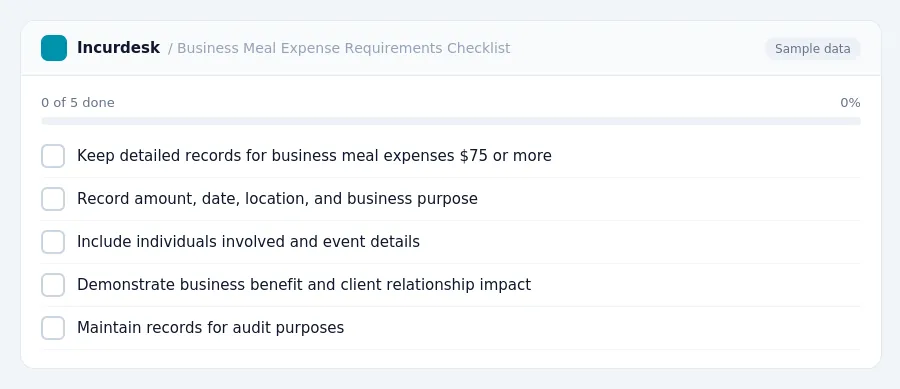
- Keep detailed records for any business meal expense of $75 or more, including:
- Amount
- Date
- Location
- Business purpose
- Individuals involved
For example, if you take a client to a sporting event, you should be able to explain how the event relates to your business and how it will benefit your client relationship.
Additionally, you must demonstrate that you or your employees were present at the event.
However, you would need to keep a record of the actual cost of the meal, as well as the business purpose and individuals involved, in case of an audit.
Rules for Meals and Entertainment Expenses
When it comes to deducting client entertainment expenses, understanding the rules for meals and entertainment expenses is crucial.
This is due to changes influenced by the One Big Beautiful Bill Act (OBBBA).
This publication provides comprehensive information to help you navigate the rules and ensure accurate tax reporting.
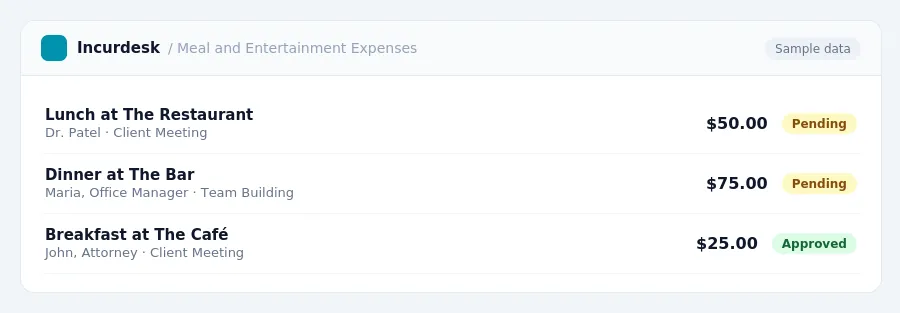
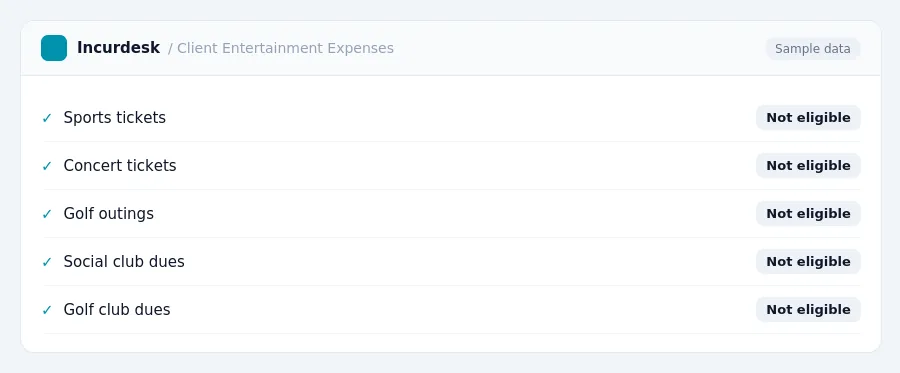
- Sports tickets
- Concert tickets
- Golf outings
These expenses do not qualify as business-related expenses.
- Social club dues
- Golf club dues
However, it's essential to keep accurate records of the gifts, including the date, amount, and recipient.
Remember to maintain accurate records of all gifts, including the date, amount, and recipient, in case of an audit.
Record Keeping and Documentation Requirements
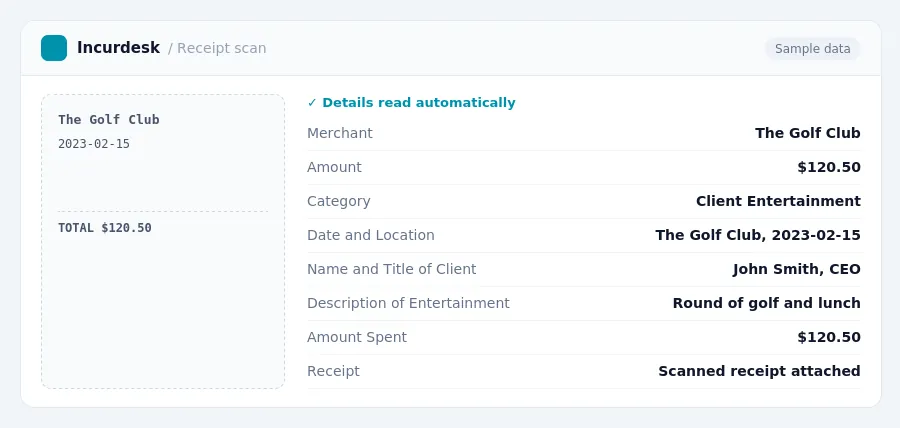
Keep accurate and detailed records of each expense, including:
- Date and location of the event
- Name and title of the client or representative
- Description of the entertainment and food provided
- Amount spent on entertainment and food
- Receipts or invoices for the expenses
Consider using a log or spreadsheet to track your expenses, and ensure that all records are easily accessible and organized.
It's also a good idea to have a system in place for tracking and documenting expenses throughout the year, rather than trying to gather and organize them all at once.
Keeping this simple: Incurdesk keeps receipts and approvals in one place, which makes a written policy easier to follow. It is built for small law firm teams. Try it free.
Stop losing 4+ hours a week
30-day free trial · No credit card · Setup in 15 minutes