
Clinical vs Administrative Expenses: How to Separate Them
A practical, data-backed guide to controlling costs and automating expense workflows.
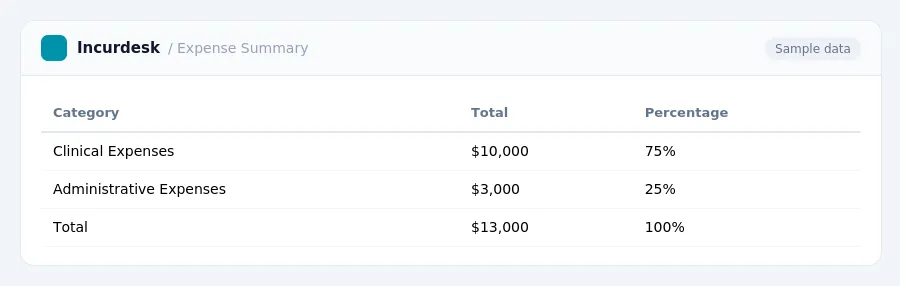
Small healthcare businesses can separate clinical and administrative expenses by understanding which costs are directly related to patient care versus those supporting the business's overall functioning. To achieve accurate financial reporting and operational efficiency, it's essential to distinguish between these expenses. With the right tools and strategies in place, even small healthcare businesses can optimize their healthcare expense management for under $10/user (2026) and stay within the recommended 25% to 31% administrative cost range.
Distinguishing Clinical Expenses
When categorizing expenses, it's essential to understand the difference between clinical and administrative costs. Clinical expenses are directly related to patient care, such as medical supplies, equipment, and professional fees. Administrative expenses, on the other hand, support the business's overall functioning.
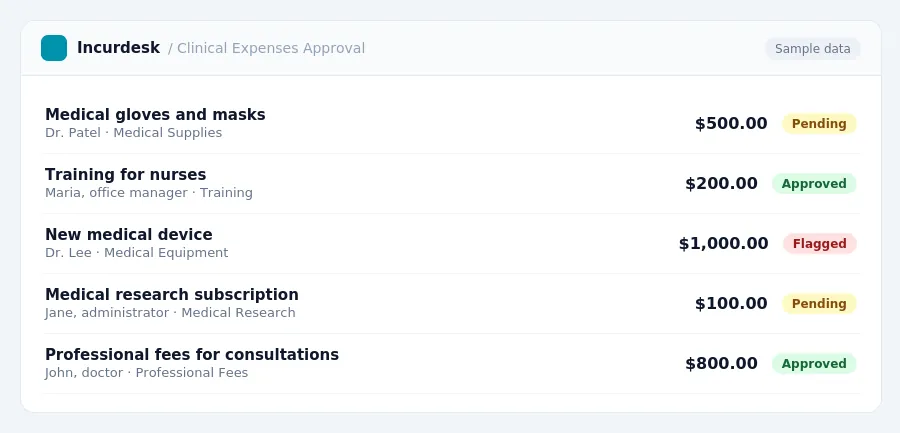
- Identify which expenses are directly tied to patient care, such as:
- Medical supplies, equipment, and instruments
- Professional fees for healthcare services
- Training for medical staff
- Medical research and development
For example, if you purchase a new medical device, it should be classified as a clinical expense. However, if you purchase a computer or software for administrative purposes, it should be categorized as an administrative expense.
To ensure accurate financial reporting and tax compliance, take the time to review your business's expenses and categorize them correctly. Consider consulting with a financial advisor or accountant to ensure you are meeting all necessary regulations and guidelines.
| Clinical Expenses | Administrative Expenses |
|---|---|
| Medical supplies, equipment, and instruments | Computers, software, and office equipment |
| Professional fees for healthcare services | Salaries and benefits for administrative staff |
| Training for medical staff | Marketing and advertising expenses |
Administrative Expenses and Their Impact
- Track and categorize all administrative expenses to ensure accurate financial reporting and tax compliance.
- Regularly review and adjust administrative spending to optimize operational efficiency.
- Take advantage of tax deductions and credits available to small businesses, such as the self-employed health insurance deduction.
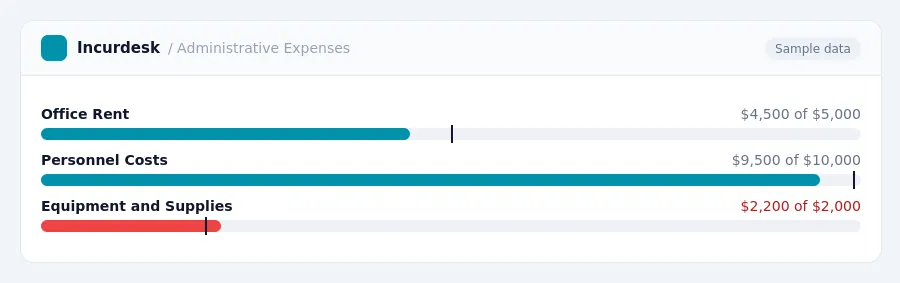
| Expense Category | Example Expenses |
|---|---|
| Office Rent | Lease or mortgage payments for office space |
| Personnel Costs | Salaries, benefits, and training for administrative staff |
| Equipment and Supplies | Office equipment, furniture, and office supplies |
HIPAA Compliance Costs and Considerations
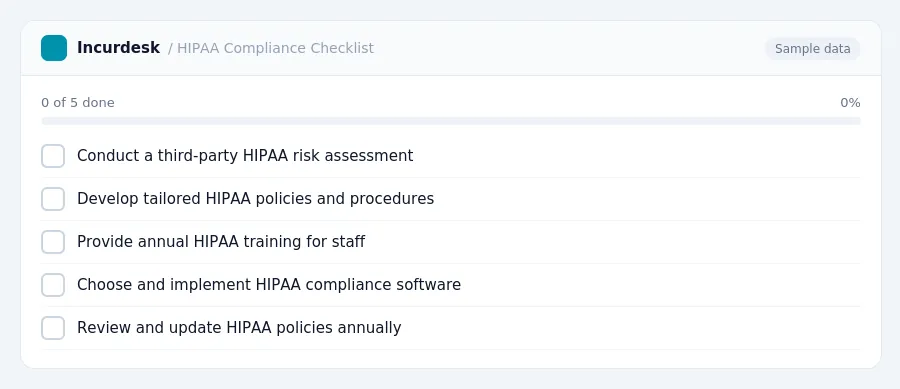
Small healthcare businesses should be aware of the costs associated with HIPAA compliance, which can range from $6,000 to $35,000 for initial setup and $3,500 to $18,000 annually. These costs can include:
- A third-party HIPAA risk assessment, which can cost between $2,000 and $10,000, or $500-$3,000 if using compliance software and internal resources.
- Developing tailored HIPAA policies and procedures, which can cost $3,000-$8,000 if outsourced to consultants, or $0-$5,000 using templates.
- Annual HIPAA training for staff, which generally costs $20-$100 per person.
- Annual costs for HIPAA compliance software, which can range from $1,200 to $6,000 per organization.
When budgeting for HIPAA compliance, consider the following:
- Initial setup costs can be spread out over several years.
- Ongoing annual costs can be factored into your business's annual budget.
- Using compliance software and internal resources can help reduce costs.
It's essential to note that HIPAA compliance is a critical aspect of running a healthcare business, and the costs associated with it are a necessary investment in protecting patient data and avoiding potential fines and penalties.
Billing and Insurance-Related Expenses
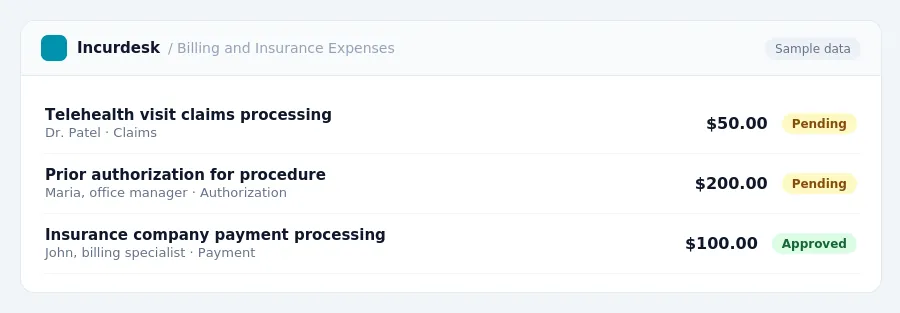
Accurate billing and insurance-related expenses are crucial for small healthcare businesses. The payment rate for telehealth medical visits, for example, is $97.53 for CY 2026. However, billing flexibilities have been extended through December 31, 2026, for Rural Health Clinics (RHCs) and Federally Qualified Health Centers (FQHCs).
Administrative costs represent 25% to 31% of total healthcare spending in the U.S. (2026). This means that a significant portion of your expenses may be related to billing and insurance processing. To accurately track these costs, consider the following:
- Claims processing costs: These can vary depending on the number and complexity of claims submitted.
- Prior authorization burdens: These can be time-consuming and costly, especially for procedures requiring multiple authorizations.
When determining which expenses to categorize as billing and insurance-related, consider the following:
| Expense Type | When to Categorize as Billing and Insurance-Related |
|---|---|
| Staffing costs | When staff members are primarily dedicated to billing and insurance-related tasks. |
| Software and system costs | When these costs are directly related to billing and insurance processing, such as electronic health record (EHR) systems. |
| Training and education costs | When these costs are related to billing and insurance-specific training or education. |
Tax Deductions and Credits for Healthcare Businesses
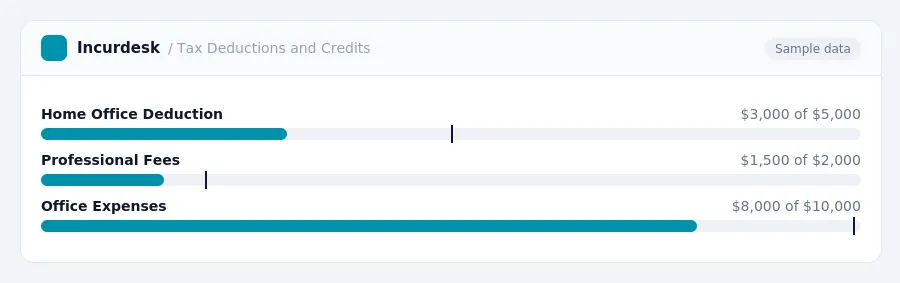
When it comes to tax deductions and credits for healthcare businesses, understanding the rules and regulations can help reduce the financial burden and increase profitability. As a small healthcare business owner or office manager, it's essential to stay up-to-date on the latest tax laws and take advantage of available deductions and credits.
Here are some practical tips to keep in mind:
- Keep accurate records of business expenses, including receipts and invoices. This will help you track eligible expenses and support your tax deductions.
- Consult with a tax professional to determine which tax deductions and credits apply to your healthcare business.
- Take advantage of the home office deduction, if applicable, to deduct a portion of your rent or mortgage interest and utilities as a business expense.
- Consider hiring a certified public accountant (CPA) or enrolled agent (EA) to handle your tax preparation and ensure compliance with tax laws.
(2026), so it's essential to optimize your business expenses to stay within this range. By staying informed and taking advantage of available tax deductions and credits, you can help reduce your business's tax liability and increase profitability.
For more information on tax deductions and credits for healthcare businesses, consult the IRS website or contact a tax professional for guidance.
| Tax Deduction/ Credit | Description | Eligibility |
|---|---|---|
| Home Office Deduction | Business use of home must be regular and exclusive | |
| Medical Expense Deduction | Expenses must be reasonable and related to business operations | |
| Healthcare Professional Education Credits | Claim credits for education expenses related to healthcare profession | Education must be required for licensure or certification |
Keeping this simple: Incurdesk turns submitted expenses into clean expense reports. It is built for small healthcare teams. Try it free.
Stop losing 4+ hours a week
30-day free trial · No credit card · Setup in 15 minutes