
Corporate Cards vs Employee Reimbursement
Real trade-offs, pricing & decision guide — updated October 2026
The debate between corporate cards and employee reimbursement systems has long been a topic of discussion among small business owners and office managers. When it comes to expense management, owners and office managers want to know which option is the most cost-effective and compliant. State-specific reimbursement laws also vary, with some states offering more generous reimbursement rates than others. As a result, owners and office managers need to carefully consider their options when managing employee business expenses. For the bigger picture, see our guide to expense management software for under $10/user (2026).
State Reimbursement Laws
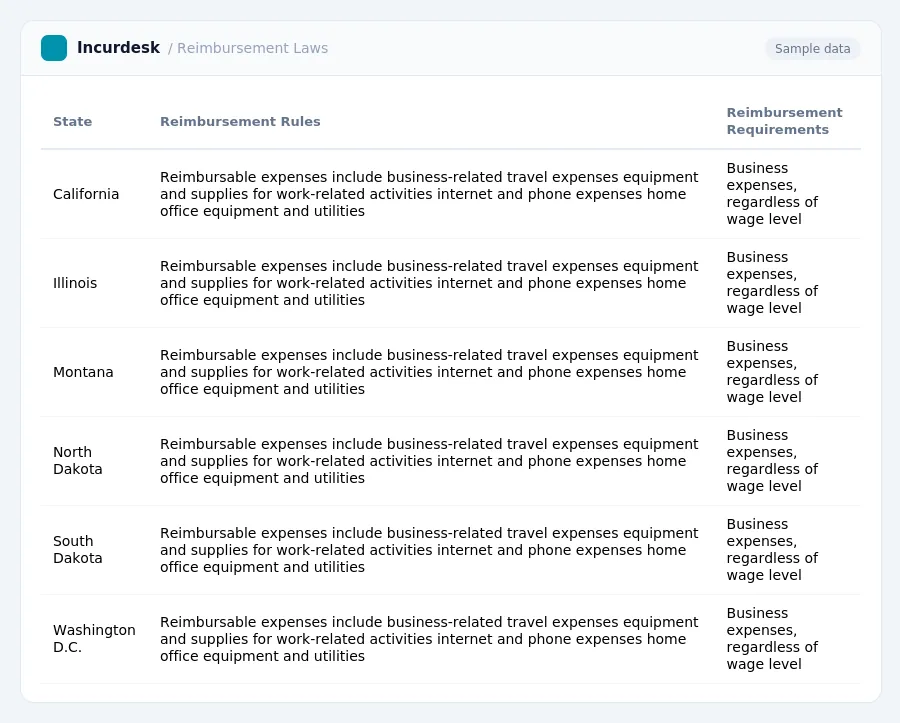
State Reimbursement Laws vary significantly by state, making it essential to familiarize yourself with the specific requirements in your area. As of 2026, the following states have reimbursement laws that cover all necessary business expenses:
- California, Illinois, Montana, North Dakota, South Dakota, and Washington D.C.
- These states require reimbursement for all business expenses, regardless of wage level, and mandate reimbursement for remote work expenses.
Some states, such as New York and Massachusetts, require reimbursement only if it brings an employee below minimum wage. Additionally, some states have specific rules for reimbursing expenses, such as:
* Reimbursable expenses include: + Business-related travel expenses + Equipment and supplies for work-related activities + Internet and phone expenses + Home office equipment and utilities * Remote work expenses may be reimbursable if remote work is mandatory, but the employer must provide reasonable accommodations for employees who cannot work from home.
To ensure compliance with state reimbursement laws, follow these steps:
- Check your state's specific laws and regulations regarding reimbursement.
- Verify that your company is exempt from reimbursement requirements.
- Establish a clear policy for reimbursing business expenses, including remote work expenses.
- Keep accurate records of business expenses, including receipts and invoices.
- Consider consulting with an accountant or HR professional to ensure compliance and minimize administrative burdens.
Corporate Card Cost vs Employee Reimbursement
Corporate Cards vs Employee Reimbursement: Which Costs Less
Employee reimbursement systems and corporate cards are two popular methods for managing employee business expenses. Here's a breakdown of the costs associated with each option.
Corporate Card Cost
- The cost of using corporate cards is typically lower than employee reimbursement systems.
- State-specific reimbursement laws can also impact the cost of corporate cards.
Employee Reimbursement System
- Employee reimbursement systems can be more complex and costly than corporate cards.
- The cost of using employee reimbursement systems can vary depending on the state and local laws.
- For example, some states require businesses to reimburse employees for mileage and per diem expenses, while others do not.
In general, corporate cards are a more cost-effective option for small businesses with a small number of employees. However, employee reimbursement systems may be more suitable for larger businesses or those with employees who frequently travel. Ultimately, the choice between corporate cards and employee reimbursement systems depends on the specific needs and circumstances of the business.
Tax rules, limits and rates change. Confirm current figures with the IRS or your accountant before you file.
Corporate Cards vs Employee Reimbursement: Which Costs Less
When it comes to managing employee business expenses, small businesses often face a decision: use corporate cards or employee reimbursement. Both options have their advantages and disadvantages, which we'll explore below.
Corporate Cards
Companies own the account, set spending policies, and are responsible for balances. Transactions sync in real-time, providing immediate visibility for finance teams. Underwritten based on business financials, not personal credit. This means that companies can offer cash-flow flexibility and spending controls to their employees.
Employee Reimbursement
Employees pay first, company repays later. This method can be more cost-effective for small businesses with limited budgets, as employees are responsible for paying their own expenses. However, this approach can also lead to overspending and abuse of the system.
When to use each option:
* Use corporate cards when: + You have a high volume of business expenses and need to manage them efficiently. + You have a stable business with consistent spending habits. + You want to offer cash-flow flexibility and spending controls to your employees. * Use employee reimbursement when: + You have a limited budget and want to keep expenses low. + You have a small team with few employees and don't want to manage a large number of transactions. + You want to avoid overspending and abuse of the system.
Mileage Reimbursement
The rates are as follows:
- January 1 - June 30, 2026: 72.5 cents per mile
- July 1 - December 31, 2026: 76 cents per mile
To claim mileage reimbursement, you must keep a log of your business-related mileage, which includes driving for work-related purposes. You must also attach a copy of your log to your tax return.
- Date
- Destination city and state
- Destination city and state (optional)
- Business purpose
- Total miles driven
The logbook must be kept for at least three years from the date of the last log entry.
Neither gets it right. Incurdesk does.
30-day free trial. No credit card. Setup takes 15 minutes.