
Deposition and Travel Expense Tracking for Litigation
A practical, data-backed guide to controlling costs and automating expense workflows.
Small law firms require clear guidelines for accurately tracking and documenting deposition and travel expenses in litigation. Understanding IRS regulations for mileage and per diem rates is crucial for effective expense management for law firms, and failure to comply can result in penalties. By staying up-to-date on IRS regulations and best practices for cost recovery, law firms can ensure profitability and compliance.
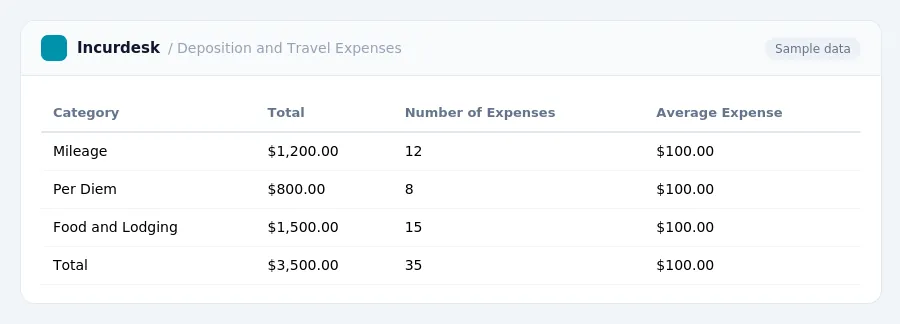
Understanding IRS Regulations for Mileage and Per Diem Rates
To ensure accurate reimbursement, it's essential to understand these regulations.
For 2023, the rate was 65.5 cents per mile.
For travel to high-cost localities, the per diem rate is $329 per day, effective from October 1, 2026, to September 30, 2027. For other localities within the continental U.S., the rate is $230 per day during the same period.
For other localities, the rate was $225 per day.
For other localities, the rate was $214 per day.
When tracking mileage, keep accurate records of dates, distances, and destinations. For per diem expenses, keep receipts and records of actual expenses, as the per diem rate is only a maximum amount that can be claimed.
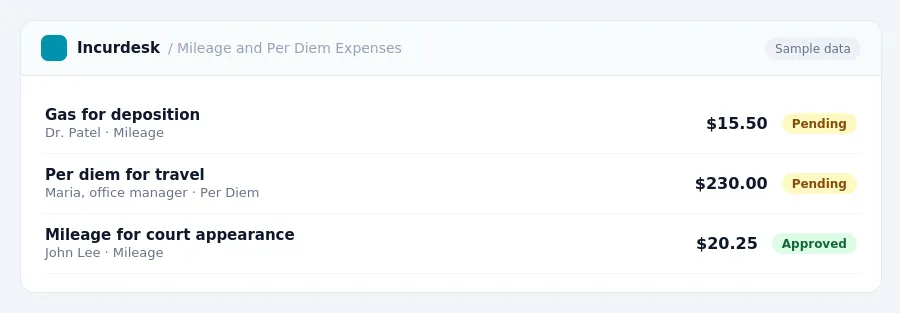
Best Practices for Cost Recovery and Documentation
Accurate cost recovery and documentation are crucial for small law firms to ensure compliance and profitability. Here are some best practices to follow:
- Keep detailed records of all deposition and travel expenses, including receipts, invoices, and bank statements.
- Use the correct per diem rates for meals and incidental expenses (M&IE) when tracking expenses. For travel to high-cost localities, the M&IE portion is $86 per day. For other localities, it is $74 per day.
- Use a consistent method for tracking mileage expenses. Keep a log of miles driven, including the date, location, and purpose of the trip.
- Consider using a standardized expense report template to ensure all necessary information is included.
When submitting expense reports for reimbursement, be sure to include:
- A detailed breakdown of all expenses, including receipts and invoices.
- A clear explanation of the purpose of each expense.
- A calculation of the total amount being requested for reimbursement.
By following these best practices, small law firms can ensure accurate cost recovery and documentation, which is essential for compliance and profitability.
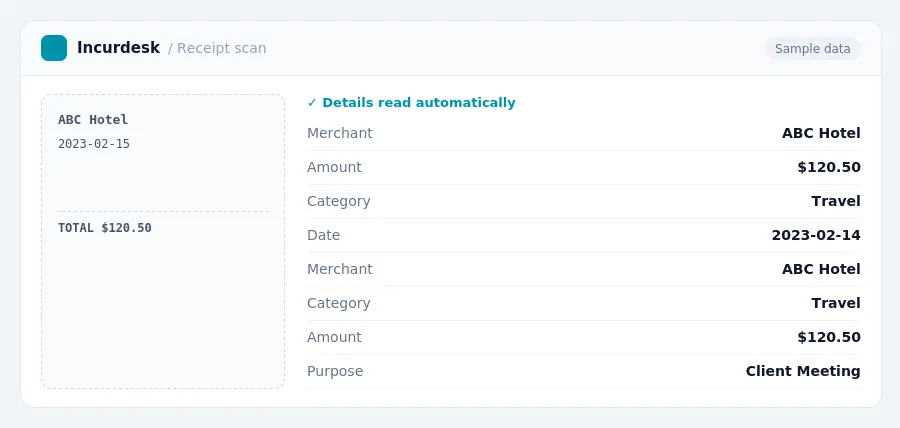
Deposition and Travel Expense Tracking: Common Pitfalls to Avoid
Deposition and travel expense tracking can be complex, and there are several common pitfalls to avoid for profitability and compliance.
This rate applies to both domestic and international travel, and it covers expenses such as tips and other miscellaneous costs.
- The party requesting a deposition typically pays for the transcriptionist and any rented space. This means that you should not include these costs in your expense tracking.
- Each party pays for their own attorney's time at depositions. This includes attorney fees, travel expenses, and other costs associated with attending the deposition.
Additionally, be aware that through 2025, taxpayers generally cannot claim a miscellaneous itemized deduction for unreimbursed employee travel expenses. This means that you should not expect to deduct these expenses on your tax return unless you are reimbursed by your employer.
By following these guidelines and avoiding common pitfalls, you can ensure that your deposition and travel expense tracking is accurate and compliant with IRS regulations.
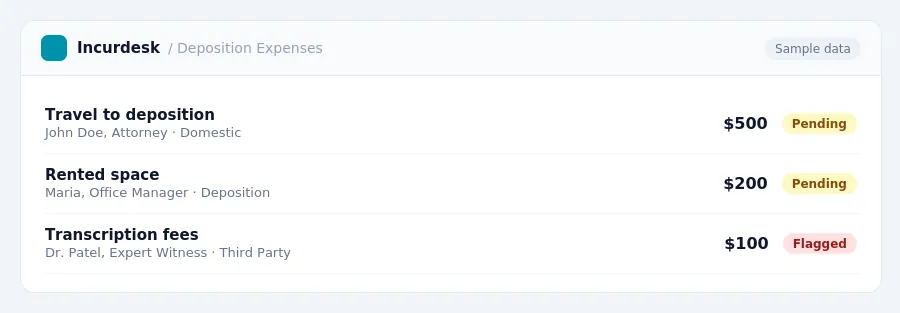
Reimbursing Expert Witnesses and Deposition Costs
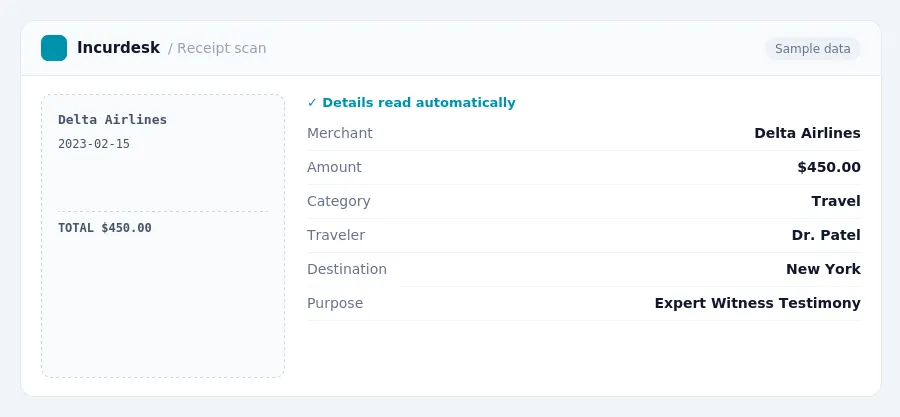
When it comes to reimbursing expert witnesses and deposition costs, it's essential to understand the guidelines. Travel costs for expert witnesses are typically governed by the engagement agreement. The party seeking expert discovery must generally pay a reasonable fee for the expert's time spent responding to discovery, which can include travel time, airfare, and accommodations.
When tracking and documenting these costs, ensure that they are directly related to the lawsuit. Typically, only the successful party may be awarded these costs, determined at the conclusion of the case.
When preparing to reimburse expert witnesses, consider the following:
- Determine the specific costs that are covered under the engagement agreement.
- Verify that the costs are directly related to the lawsuit.
- Keep detailed records of all expenses, including receipts and invoices.
By following these guidelines, you can ensure accurate and compliant reimbursement for expert witnesses and deposition costs, which can help maximize reimbursement for your small law firm.
Compliance and Profitability: Maximizing Reimbursement for Small Law Firms
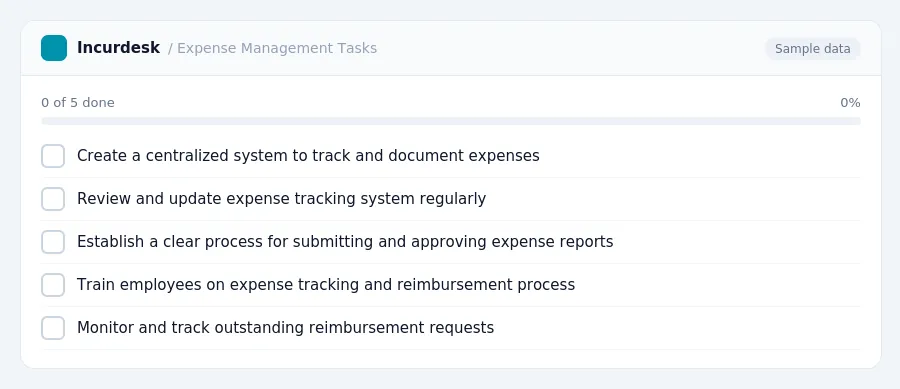
To maximize reimbursement for small law firms, it's essential to stay organized and compliant. Create a centralized system to track and document all deposition and travel expenses. This will help ensure that you're meeting the necessary IRS regulations and maintaining accurate records.
- Regularly review and update your expense tracking system to ensure it's aligned with current IRS regulations and best practices.
- Establish a clear and consistent process for submitting and approving expense reports, and ensure that all employees understand their roles and responsibilities.
- Consider implementing a system to track and monitor the status of outstanding reimbursement requests, to help reduce delays and improve cash flow.
By staying organized and compliant, small law firms can minimize the risk of errors and disputes, and maximize their reimbursement for deposition and travel expenses.
Keeping this simple: Incurdesk keeps receipts and approvals together, so you know exactly what to reimburse. It is built for small law firm teams. Try it free.
Stop losing 4+ hours a week
30-day free trial · No credit card · Setup in 15 minutes