
Expense Checklist for Law Firm Office Managers
A practical, data-backed guide to controlling costs and automating expense workflows.
As a law firm office manager, effective expense management for law firms is crucial to ensure compliance and maximize tax savings. To achieve this, it's essential to have a clear and up-to-date checklist of deductible business expenses, including current IRS rates and rules for travel, vehicle use, home office deductions, and general business expenses. By staying informed and avoiding common pitfalls, you can optimize your expense management strategy and reduce your law firm's tax liability.
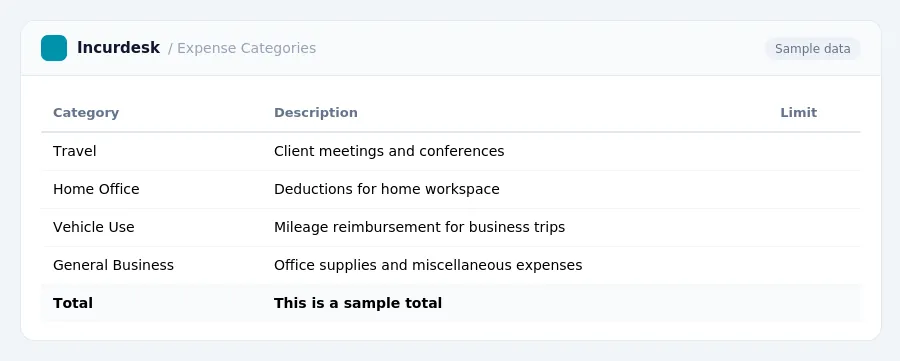
Expense Categories for Law Firms
- When categorizing expenses for your law firm, consider the following categories:
- Office expenses: rent, utilities, equipment, supplies, and maintenance
- Personnel expenses: salaries, benefits, training, and recruitment costs
- Marketing and advertising expenses: website development, social media, print materials, and event sponsorships
- Professional fees: accountant, lawyer, and consultant fees
- Technology and software expenses: computer hardware, software licenses, and cybersecurity measures
- Travel and entertainment expenses: conferences, meetings, and client entertainment
- Insurance and liability expenses: liability insurance, business interruption insurance, and cyber insurance
- Financial expenses: loans, credit card debt, and credit lines
- Other expenses: subscriptions, memberships, and miscellaneous business costs
Consider the actual expenses your law firm incurs and allocate them to the most relevant category. Keep accurate records of all transactions, including receipts, invoices, and bank statements. This will help you stay organized and ensure you're taking advantage of all eligible deductions.
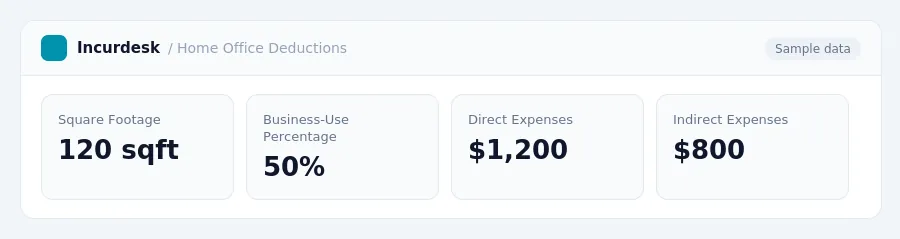
Be sure to keep accurate records of your home office expenses and calculate your business-use percentage correctly.
Travel Expenses and Per Diem Rates
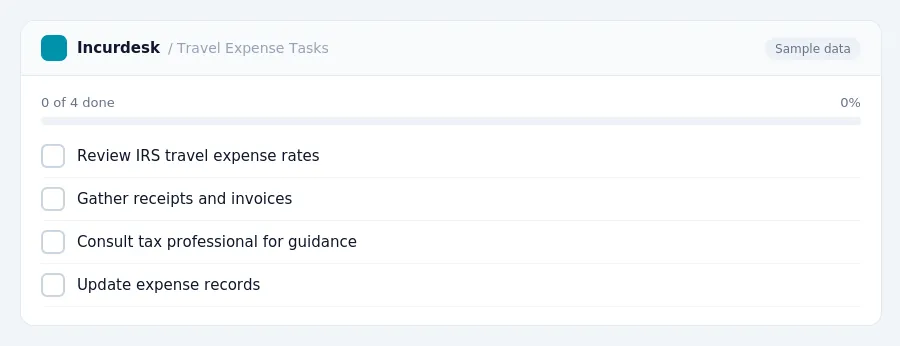
As a law firm office manager, it's essential to understand the current IRS rates and rules for travel expenses to ensure compliance and maximize tax savings.
- Other localities within the continental U.S.
For meals and incidental expenses, the rates are as follows:
- Other continental U.S.
Keep accurate records of your travel expenses, including receipts, invoices, and itineraries, to support your claims. Consult the IRS website or a tax professional for specific guidance on travel expense deductions.
Home Office Deductions and Workspaces
- Understand the Home Office Deduction options:
- Calculate your home office space:
- Measure your home office space in square feet.
- Keep records of your home office expenses:
- Document indirect costs, such as mortgage interest, utilities, and property taxes.
- Document direct expenses, such as office-specific repairs and furniture.
- Calculate your business-use percentage of indirect costs.
Consult the IRS for specific guidance on calculating home office deductions and workspaces.
Vehicle Use and Mileage Reimbursement
The IRS business mileage rate is subject to change throughout the year. For the first six months of 2026, the rate is 72.5 cents per mile, and it increases to 76 cents per mile from July 1 to December 31, 2026.
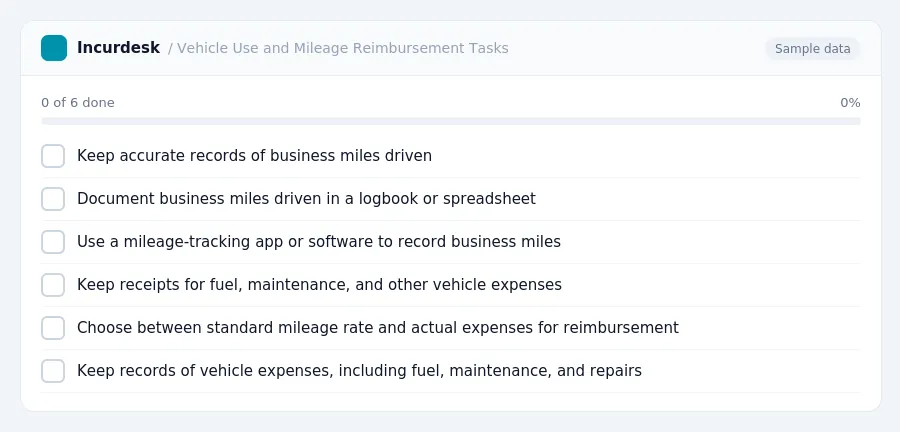
Keep accurate records of business miles driven, including the date, starting and ending odometer readings, and the business purpose of the trip.
- Document business miles driven in a logbook or spreadsheet.
- Use a mileage-tracking app or software to record business miles.
- Keep receipts for fuel, maintenance, and other vehicle expenses.
For mileage reimbursement, you can use the standard mileage rate or actual expenses. If you choose the standard mileage rate, you can deduct the applicable rate per mile for business use.
Keep records of vehicle expenses, including fuel, maintenance, and repairs, to support your actual expense method.
General Business Expenses and Deductions
Here's a rundown of common expenses you can deduct:
- Office Expenses
- Office supplies (paper, pens, toner, etc.)
- Postage and shipping
- Subscription services (software, publications, etc.)
- Advertising and Marketing
- Online ads (Google, social media, etc.)
- Print ads (newspapers, flyers, etc.)
- Business cards and promotional materials
- Professional Fees
- Accounting and bookkeeping services
- Law firm associations and memberships
- Consulting fees (IT, HR, etc.)
- Insurance and Benefits
- Liability insurance
- Business interruption insurance
- Employee benefits (health, dental, etc.)
- Minimum QBI Deduction
Keep accurate records of all business expenses, including receipts, invoices, and bank statements.
Tax rules, limits and rates change. Confirm current figures with the IRS or your accountant before you file.
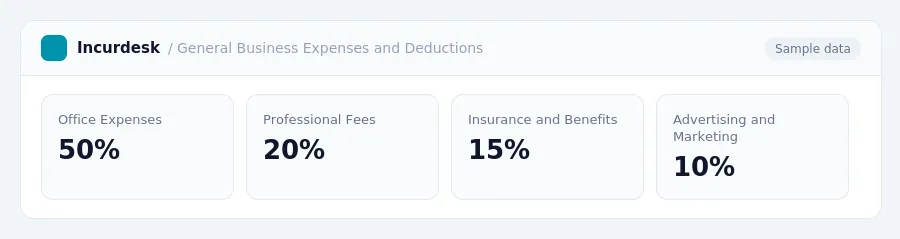
Keeping this simple: Incurdesk lets your team snap a photo of a receipt and fills in the details for you. It is built for small law firm teams. Try it free.
Stop losing 4+ hours a week
30-day free trial · No credit card · Setup in 15 minutes