
Expense Policy FAQ for Clinic Office Managers
A practical, data-backed guide to controlling costs and automating expense workflows.
Our FAQ addresses common questions about rules and rates, providing actionable information to help you navigate healthcare expense management for under $10/user (2026). By following these guidelines, you can accurately reimburse and deduct expenses, minimizing potential losses and staying within budget.
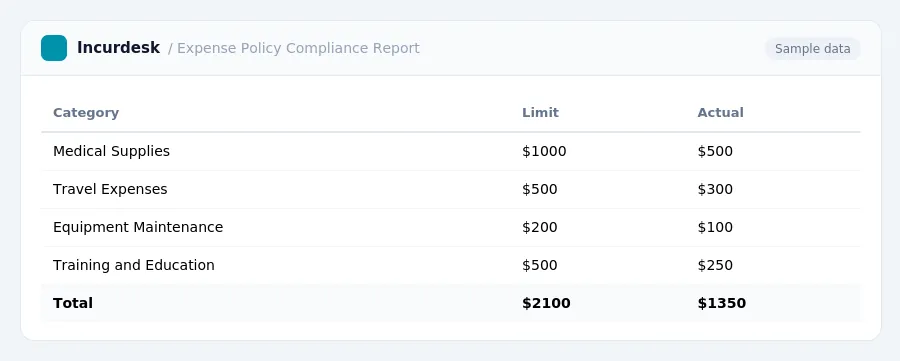
Expense Policy Compliance for Small Healthcare Businesses
As a clinic office manager, it's essential to ensure your business is compliant with relevant laws and regulations regarding employee benefits and expenses. Here are some key points to consider:
- The Affordable Care Act (ACA) employer mandate applies to businesses with 50 or more full-time equivalent (FTE) employees.
- Some states have enacted laws that expand Family and Medical Leave Act (FMLA) coverage to smaller businesses.
- When it comes to employee benefits, the maximum credit for for-profit businesses is 50% of premiums paid.
When creating or reviewing your expense policy, keep the following in mind:
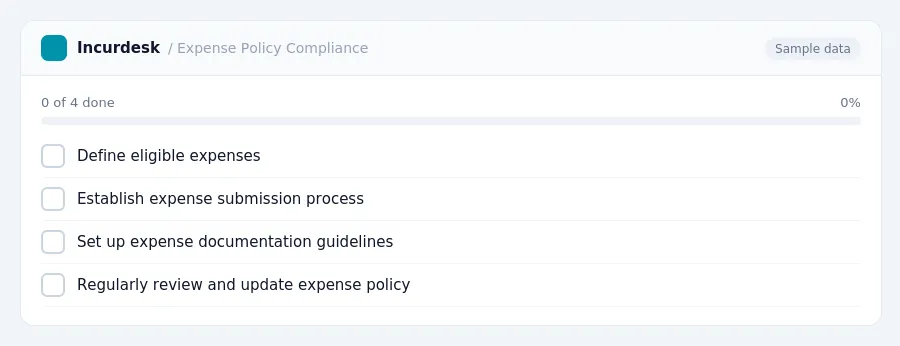
- Ensure your policy clearly outlines what expenses are eligible for reimbursement.
- Define the process for submitting and approving expenses.
- Establish clear guidelines for documenting expenses, including receipts and explanations.
Regularly review and update your expense policy to ensure it remains compliant with changing laws and regulations.
Consult with a tax professional or attorney to ensure your business is meeting all necessary requirements.
Mileage and Moving Expenses
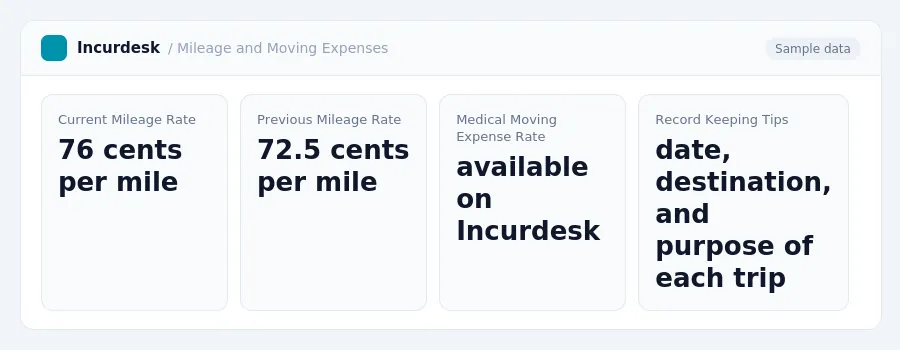
For the period of January 1 to June 30, 2026, the rate was 72.5 cents per mile. From July 1 to December 31, 2026, the rate is 76 cents per mile.
The rate for medical and military moving expenses also changes.
To calculate mileage expenses, you can use the following formula:
Remember to keep accurate records of your business mileage, including the date, destination, and purpose of each trip.
To qualify for this credit, your business must meet certain requirements, including having a maximum average annual wage of $68,200 per full-time equivalent (FTE) employee.
- The average annual wage limit for the credit is adjusted for inflation each year.
You should also keep accurate records of your business's health insurance premiums and other relevant expenses, as these will be necessary to calculate your credit.
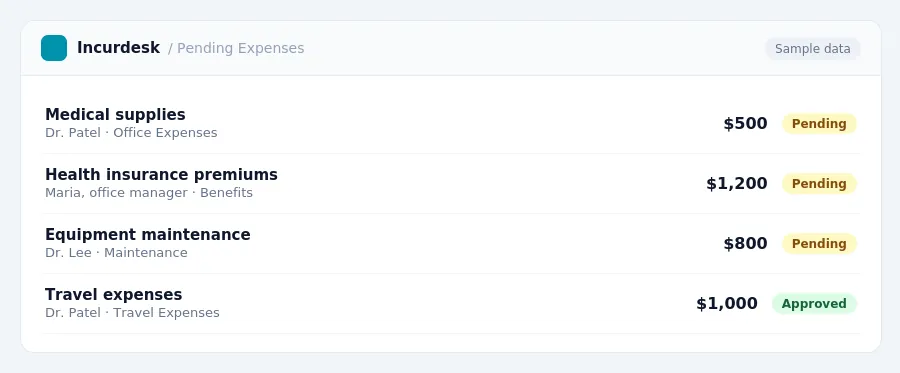
Record-Keeping and Compliance Requirements
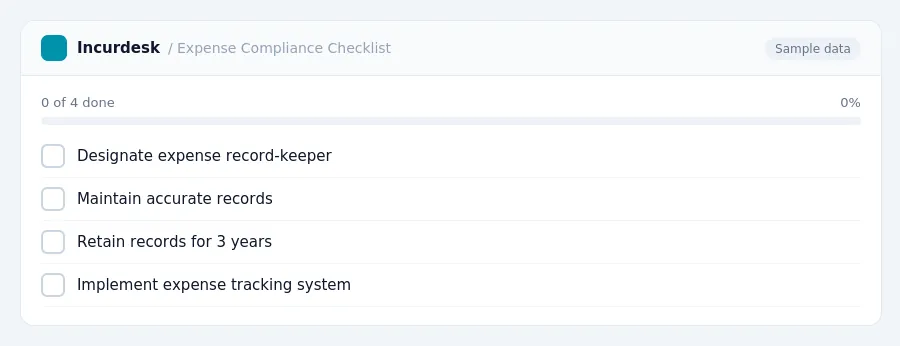
As a clinic office manager, maintaining accurate and detailed records is crucial for compliance with federal and state regulations. Start by designating a specific person or department to oversee expense record-keeping and compliance.
For tax purposes, keep accurate records of business expenses, including receipts, invoices, and bank statements. Retain these records for at least three years in case of an audit.
Additionally, consider implementing a system to track and monitor employee expenses, such as setting up a centralized expense reporting system or using a spreadsheet to track and categorize expenses.
This credit can provide up to 50% of premiums paid for for-profit businesses, but the maximum credit amount varies by business size and type.
Tax rules, limits and rates change. Confirm current figures with the IRS or your accountant before you file.
Keeping this simple: Incurdesk keeps receipts and approvals in one place, which makes a written policy easier to follow. It is built for small healthcare teams. Try it free.
Stop losing 4+ hours a week
30-day free trial · No credit card · Setup in 15 minutes