
Expense Management for Small Teams in Hospital (Sydney)
Purpose-built expense management for your team type, industry and city.
In Sydney's hospital sector, small teams often struggle to track and reimburse employee expenses due to manual processes and lack of visibility, leading to delayed payments and frustrated staff.
Expense Management Challenges for Hospital Small Teams in Sydney
Hospital small teams in Sydney face unique expense management challenges. These teams often have limited resources and are responsible for managing budgets that are subject to strict regulations, such as those imposed by the Australian Government's Healthcare Identifier Service (HIS) and the Health Insurance Act 1973. As a result, these teams spend a significant amount of time and resources on administrative tasks, such as tracking and reconciling expenses, rather than focusing on patient care and business growth. In addition, these teams often have to navigate complex financial planning and budgeting processes, including Incremental Budget and Flexible Budget models, which can be time-consuming and prone to errors.
The expense management process for hospital small teams in Sydney is often manual and labor-intensive, involving the use of spreadsheets and other traditional tools, such as Expensify and Concur, which can be expensive and difficult to implement. Moreover, these teams often struggle to keep track of expenses, particularly those related to capital investments, such as equipment and software, which can be a significant drain on resources. Furthermore, these teams often have to deal with the challenges of Volume Growth Assumptions and Cost Containment Strategies, which can be difficult to manage without the right tools and processes in place.
The Inefficiency of Traditional Tools
Traditional expense management tools, such as Expensify and Concur, can be inflexible and difficult to customize, which can lead to inefficiencies and errors. For example, these tools may not be able to accommodate the unique financial planning and budgeting processes of hospital small teams, such as Driver Based Planning and Scenario Modeling & Forecasting. Moreover, these tools may not be able to provide the level of financial control and resource allocation that hospital small teams require, which can make it difficult to manage expenses and stay within budget.
Key Pain Points for Small Teams
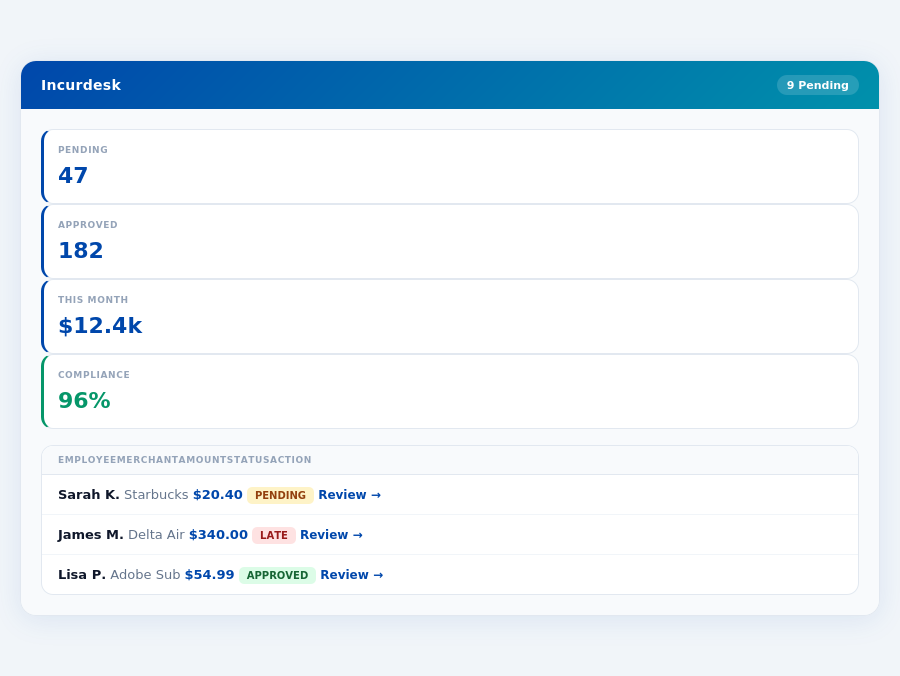
Hospital small teams in Sydney often face a range of pain points when it comes to expense management, including:
- Lack of visibility into expenses, making it difficult to manage budgets and track costs
- Inefficient and manual expense tracking processes, leading to errors and delays
- Difficulty in managing complex financial planning and budgeting processes
- Limited ability to allocate resources effectively, making it difficult to prioritize spending
What Works for Small Teams in Hospital
In small teams at hospital businesses in Sydney, a streamlined workflow is crucial for efficient expense management. This often involves a centralized system for tracking and approving expenses, which helps to reduce errors and ensure compliance with hospital policies and procedures. Key terms such as Financial Planning and Incremental Budget are essential in this context, as they enable small teams to allocate resources effectively and make informed decisions about capital investments.
Another critical aspect of a successful workflow for small teams in hospital businesses is the ability to adapt to changing circumstances. This may involve using Scenario Modeling & Forecasting tools to predict volume growth assumptions and identify potential areas of cost containment. By doing so, small teams can proactively manage their finances and make data-driven decisions that support the hospital's overall financial control and resource allocation. Furthermore, the use of Driver Based Planning can help small teams to prioritize expenses and allocate resources more effectively, ultimately leading to improved performance indicators.
Streamlining Approval and Compliance
Streamlining approval and compliance processes is essential for small teams in hospital businesses. This can be achieved through the use of a centralized approval routing system, which ensures that all expenses are reviewed and approved by the relevant stakeholders in a timely and efficient manner. Additionally, implementing policies and procedures that enforce compliance with hospital regulations and guidelines is also critical. By doing so, small teams can minimize the risk of non-compliance and ensure that all expenses are properly authorized and accounted for.
Key Features That Matter
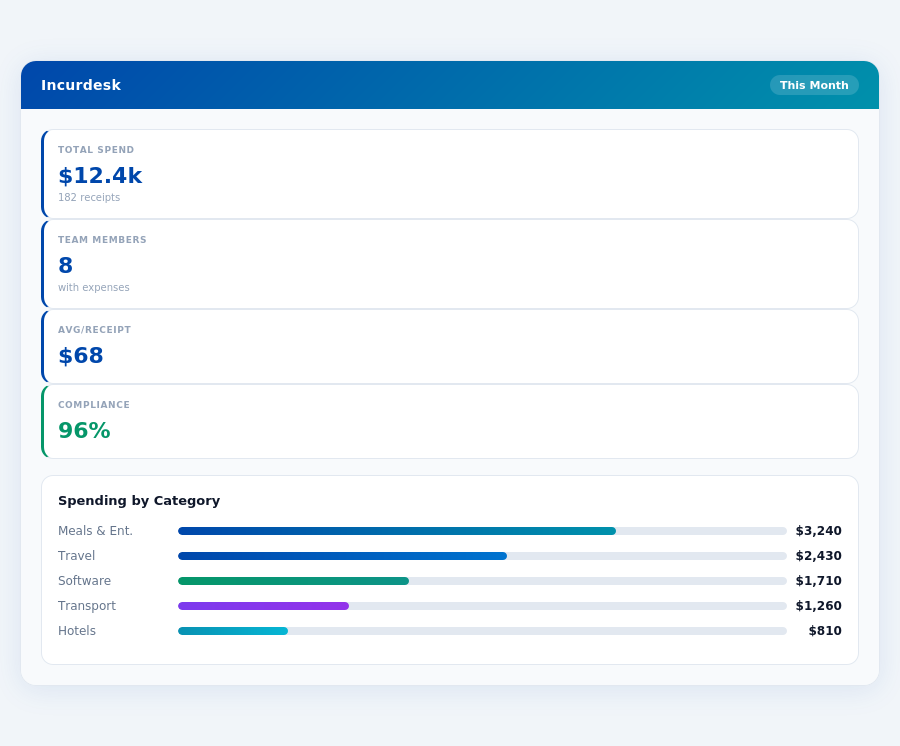
When it comes to expense management, there are several key features that matter for small teams in hospital businesses. These include:
- Flexible Budget: A flexible budget allows small teams to allocate resources more effectively and respond to changing circumstances. This is particularly important in a hospital setting, where unexpected expenses can arise at any time.
- Volume Growth Assumptions: Accurate volume growth assumptions are essential for making informed decisions about capital investments and resource allocation. By using data-driven insights, small teams can identify opportunities for growth and optimize their financial planning.
- Capital Investments: Effective capital investments are critical for small teams in hospital businesses. By using data-driven insights and scenario modeling, small teams can identify opportunities for cost containment and optimize their financial control.
- Performance Indicators: Performance indicators are essential for measuring the success of small teams in hospital businesses. By using data-driven insights, small teams can identify areas for improvement and optimize their resource allocation and financial control.
Sydney Compliance for Hospital
Sydney-based hospital businesses must adhere to specific tax and record-keeping rules set by the Australian Taxation Office (ATO). These rules are designed to ensure accurate and transparent financial reporting. When it comes to tax, the ATO requires businesses to keep accurate records of all income and expenses. This includes receipts, invoices, and bank statements. Failure to keep accurate records can result in penalties and fines. In addition, the ATO may request records at any time, so it's essential to maintain a comprehensive and easily accessible record-keeping system.
The ATO also requires businesses to lodge tax returns annually. This involves submitting a Business Activity Statement (BAS) and an Income Tax Return. The BAS is used to report business income and expenses, while the Income Tax Return is used to report personal income. The ATO also offers a range of resources and tools to help businesses navigate the tax system, including the Tax Professionals' Network and the Small Business Superannuation Clearing House.
Receipt Retention and Tax Documentation
The ATO requires businesses to retain receipts and tax documentation for a minimum of five years. This includes receipts for business expenses, invoices, and bank statements. Businesses must also keep records of all business transactions, including cash transactions. Electronic records are acceptable, but they must be easily accessible and in a format that can be easily printed. Businesses should also consider implementing a digital receipt management system to streamline record-keeping and reduce the risk of lost or damaged receipts.
Automating Compliance with Incurdesk
Incurdesk is an automated expense management solution designed to help businesses in Sydney and across Australia streamline their expense management and compliance processes. With Incurdesk, businesses can automatically capture and categorize expenses, reducing the risk of errors and ensuring that records are always up-to-date. Incurdesk also provides real-time reporting and analytics, allowing businesses to track expenses and identify areas for cost savings. By automating compliance with Incurdesk, businesses can reduce the administrative burden of expense management and focus on core activities. Incurdesk is designed to meet the specific compliance requirements of the ATO and other regulatory bodies, ensuring that businesses are always audit-ready.
Incurdesk Setup for Hospital Small Teams
Setting up Incurdesk for your hospital small team in Sydney can be a breeze, taking no more than 15 minutes of your time. Our streamlined process ensures you're up and running quickly, allowing you to focus on more important tasks. With a few clicks, you'll be able to manage your expenses efficiently and stay on top of your finances.
Quick Setup in 5 Steps
Getting started with Incurdesk is easy. Here's a step-by-step guide to help you set up your account in no time:
- Create an account: Head over to our website and sign up for a free trial. Fill in the required information, and you'll receive a verification email to get started.
- Customize your account: Set up your team members, add your company details, and configure your expense policy to suit your needs.
- Integrate your bank accounts: Link your bank accounts to Incurdesk, allowing you to easily track and categorize your expenses.
- Set up expense categories: Create categories for your expenses, such as 'Medical Supplies' or 'Travel,' to help you stay organized.
- Start tracking expenses: Begin submitting and tracking your expenses using our user-friendly interface.
Why Hospital Teams in Sydney Choose Incurdesk
Incurdesk has become the go-to expense management solution for hospital teams in Sydney due to its ease of use, flexibility, and reliability. Our platform is designed to meet the unique needs of healthcare professionals, providing a seamless experience that saves time and reduces administrative burdens.
- Streamlined expense tracking: Incurdesk allows you to track and categorize your expenses with ease, providing a clear picture of your financial situation.
- Customizable expense policy: Our platform enables you to create a tailored expense policy that suits your team's needs, ensuring compliance with company guidelines.
- Real-time reporting: Get instant access to real-time expense reports, helping you make informed financial decisions.
- Integration with existing systems: Incurdesk integrates seamlessly with your existing accounting software, eliminating the need for manual data entry.
Pro Tip: Set up a centralized expense policy document in Incurdesk to ensure all team members are aware of the company's expense guidelines and to reduce disputes.
📖 Part of our complete guide to Hospital expense management.
Ready to run expenses like a pro?
30-day free trial · No credit card · Setup in 15 minutes