
Functional Expense Allocation: Program, Admin and Fundraising
A practical, data-backed guide to controlling costs and automating expense workflows.
Nonprofits need to understand how to allocate their expenses into three main categories: program services, management and general (administrative), and fundraising. This is crucial for accurate financial reporting, transparency with donors and grantors, and maintaining tax-exempt status. Proper allocation involves identifying direct and shared costs and using consistent, reasonable methods to divide them, which is a key component of effective expense management for non-profit organizations.
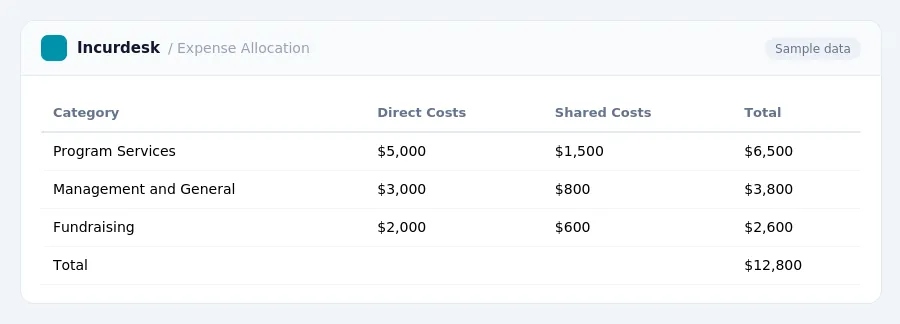
Categorizing Expenses into Program Services, Management and General, and Fundraising
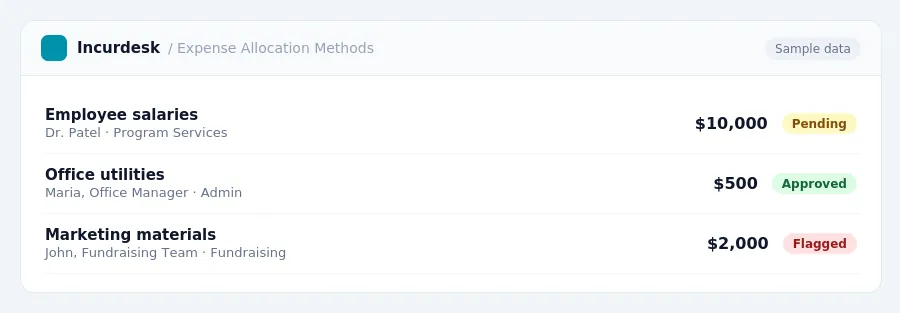
Program services include expenses directly related to your nonprofit's mission, such as providing services to clients or conducting research. Management and general expenses include overhead costs, such as salaries, rent, and utilities. Fundraising expenses include costs associated with soliciting donations, such as event planning and marketing.
Expenses can be directly allocated if they clearly link to a single function. However, shared costs, which benefit multiple functions, must be allocated using a reasonable basis. For example, salaries and benefits can be allocated based on employee time studies, certifications, or staff timesheets.
For instance, an executive director spending 60% of their time on program oversight and 40% on administration would have their salary split accordingly. This method ensures that expenses are accurately allocated to the correct functional category, providing a clear picture of how your nonprofit is using its resources.
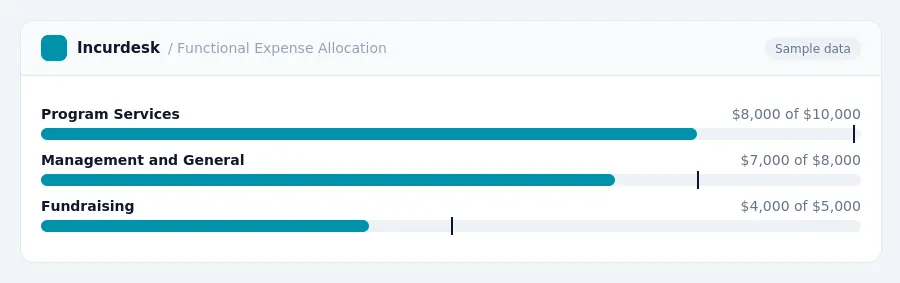
Direct Allocation of Expenses
Direct allocation of expenses involves assigning costs directly to the appropriate category based on their clear and obvious connection to that function. This approach is straightforward and helps maintain transparency in your financial reporting.
When allocating salaries and benefits, you can use employee time studies, certifications, or staff timesheets to determine the percentage of time spent on each function.
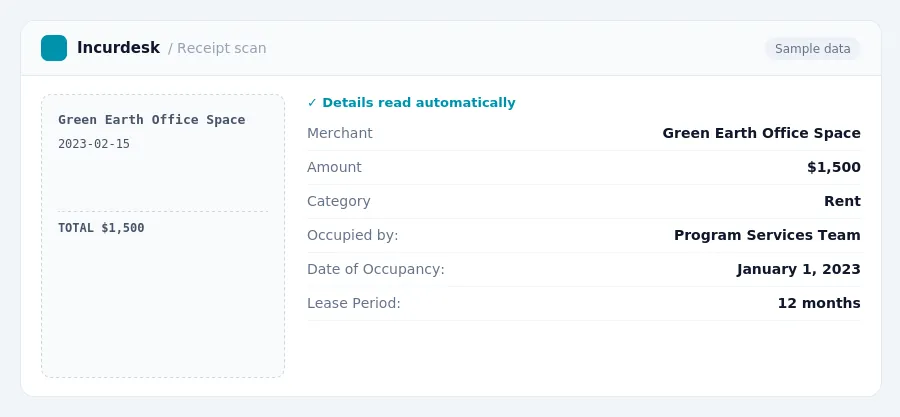
Other expenses, such as rent and utilities, can be allocated directly to the category that uses the space or resource. For instance, if your program services team occupies a specific area of the office, the rent and utilities for that space can be allocated to the program services category.
Keep accurate records of the allocation process and ensure that your methods are consistent and reasonable. This will help you maintain audit readiness and ensure compliance with financial reporting regulations.
Allocating Shared Costs
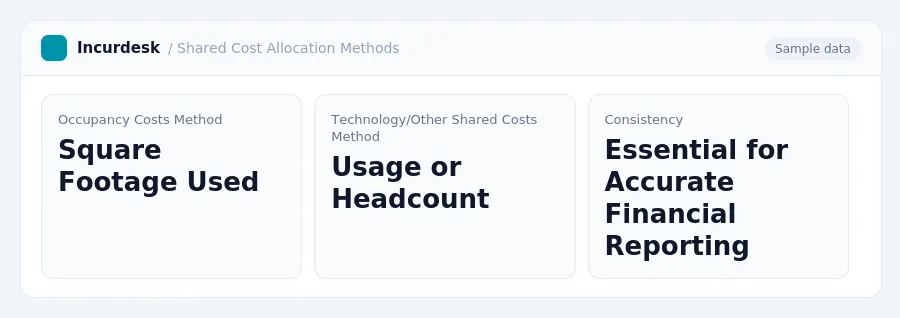
Shared costs, such as occupancy costs and technology expenses, often need to be allocated across multiple functions within a nonprofit organization. To do this, consider the following methods:
- Occupancy Costs (Rent, Utilities): Allocate based on square footage used by each function.
- Technology/Other Shared Costs: Allocate based on usage, headcount, or other logical methods. For instance, if a nonprofit has a shared computer server, the cost could be allocated based on the number of employees using it.
When allocating shared costs, it's essential to use a consistent and reasonable method to ensure accurate financial reporting and compliance with tax-exempt status requirements.
Examples of Allocation Methods
When allocating shared costs, you can use various methods to ensure fairness and accuracy. Here are a few examples:
1. Time Study Method: This method involves tracking the time spent by employees on different activities, such as program services, administration, and fundraising. You can use this data to allocate shared costs based on the time spent on each activity.
2. Cost Pooling Method: This method involves grouping similar costs together and allocating them to different departments based on their usage. For example, you can create a cost pool for utilities, such as electricity, water, and gas, and allocate it to different departments based on their square footage or number of employees.
3. Allocating Based on Budget Percentages: You can allocate shared costs based on the budget percentages allocated to each department.
4. Using a Weighted Allocation Method: This method involves assigning weights to different activities or departments based on their importance or usage. For example, you can assign a weight of 0.6 to program services and 0.4 to administration, and then use these weights to allocate shared costs.
Maintaining Consistency and Compliance
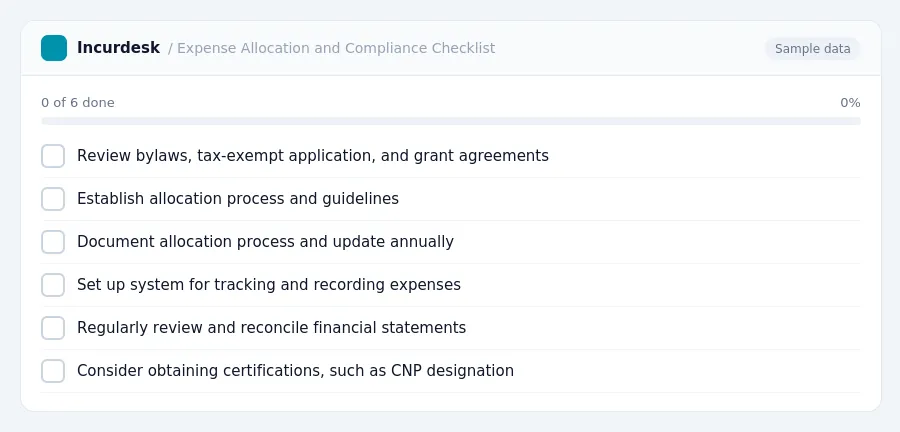
To maintain consistency and compliance, it's essential to establish a clear and documented allocation process. This should include guidelines for categorizing expenses and allocating shared costs. Review your organization's bylaws, tax-exempt application, and grant agreements to ensure compliance with the requirements.
- Document your allocation process and update it annually or as needed.
- Establish a system for tracking and recording expenses, including dates, categories, and amounts.
- Regularly review and reconcile your financial statements to ensure accurate and compliant reporting.
- Consider obtaining certifications, such as the Certified Nonprofit Professional (CNP) designation, to demonstrate your organization's commitment to financial management best practices.
Fundraising expenses should be allocated based on the specific activities and events associated with soliciting contributions and membership dues. Ensure that all fundraising expenses are properly documented and categorized. For example, expenses related to events, such as venue rental and catering, should be allocated to fundraising. Salaries and benefits of fundraising staff should be allocated based on their job duties and time studies.
Be prepared to provide detailed explanations and documentation for your allocation methods to auditors and grantors. This will help ensure compliance with regulatory requirements and maintain your organization's tax-exempt status.
Keeping this simple: Incurdesk turns submitted expenses into clean expense reports. It is built for small non profits teams. Try it free.
Stop losing 4+ hours a week
30-day free trial · No credit card · Setup in 15 minutes