
How Small Nonprofits Can Prevent Expense Fraud
A practical, data-backed guide to controlling costs and automating expense workflows.
Preventing expense fraud is crucial for small nonprofits, as the Association of Certified Fraud Examiners estimates that the typical organization loses 5% of its annual revenue to fraud. For nonprofits, this loss can be particularly impactful due to lean budgets, making effective expense management for non-profit organizations essential. To combat fraud, nonprofits need to stay informed about common schemes, recognize red flags, and implement cost-effective internal controls. For a complete overview, see our expense management guide.
Common Expense Fraud Schemes to Watch Out For
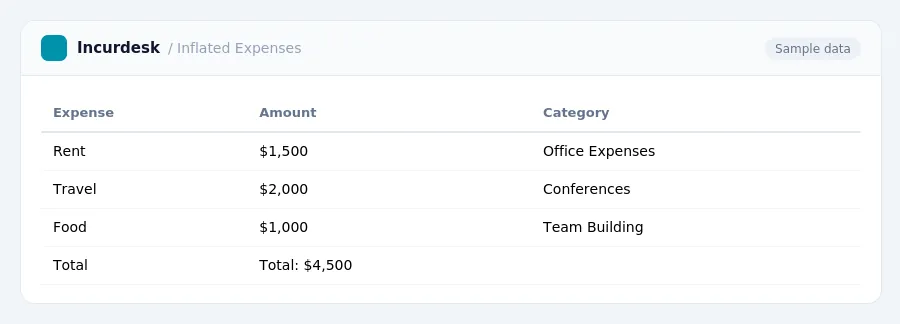
- Submit fictitious or inflated expenses for reimbursement.
- Mischaracterize expenses.
- Submit the same expense multiple times.
- Expense reimbursement abuse, including submitting personal expenses as organizational costs.
- Inflating mileage or receipts.
Asset misappropriation, the most common category of nonprofit fraud, encompasses embezzlement, skimming, billing schemes, check tampering, and expense fraud. Nonprofit fraud, including expense fraud, is the misuse of an organization's money, assets, or financial reporting by someone inside or connected to it.
Implementing Cost-Effective Internal Controls
- Verify Employee Identity before issuing a purchasing card or credit card. Ensure the card is in the employee's name and that they have a legitimate business need for the card.
- Establish a Cardholder Agreement outlining the terms and conditions of card use, including what expenses are allowed and what documentation is required for reimbursement.
- Set Spending Limits on purchasing cards to prevent excessive spending. Consider setting limits based on the employee's position, department, or expense category.
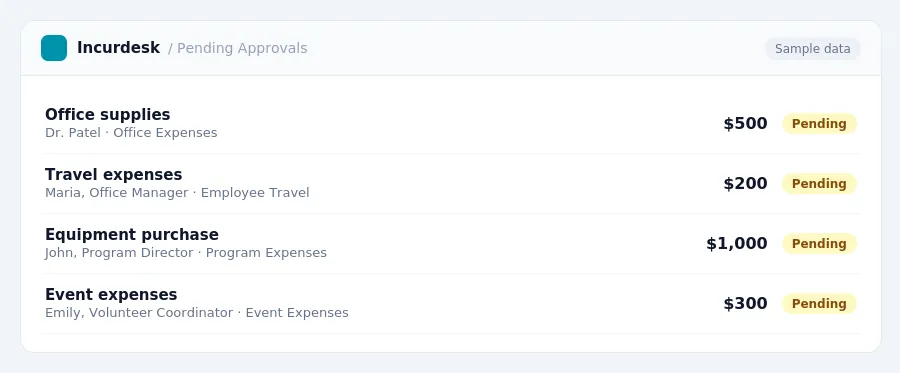
- Require Pre-Approval for Large Purchases or those exceeding a certain threshold. This can help prevent unauthorized or excessive spending.
- Monitor Card Activity Regularly to detect any suspicious transactions or unusual spending patterns.
- Conduct Regular Audits to ensure compliance with card policies and procedures. This can include reviewing card statements, receipts, and expense reports.
- Implement a Segregation of Duties policy to prevent one person from controlling multiple aspects of the card program, such as approval and reimbursement.
- Consider Implementing a Two-Step Approval Process for expense reports to ensure that multiple people review and approve expenses before reimbursement.
Recognizing Red Flags for Expense Fraud
- Require detailed supporting receipts for all reimbursements.
- Separate check preparation from check signing responsibilities.
- Be cautious of employees who have access to multiple credit cards or bank accounts.
- Watch for unusual or unexplained changes in spending patterns, such as sudden increases in travel expenses.
- Verify the authenticity of receipts and invoices before processing reimbursements.
- Monitor for duplicate or redundant expenses.
- Keep track of expense reports and ensure they are submitted in a timely manner.
- Be aware of employees who make frequent or excessive use of company credit cards for personal expenses.
Staying Compliant with Reporting Requirements
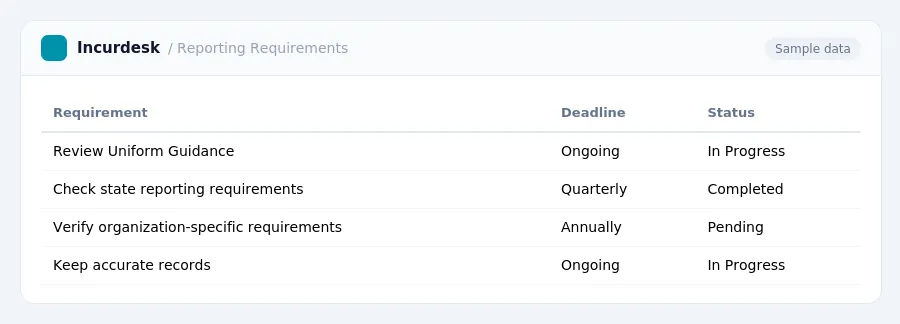
- Review the Uniform Guidance, which standardizes management, spending, and reporting for nonprofits receiving federal funds. Note that updates impacting awards issued on or after October 1, 2024, are in effect.
- Check your state's reporting requirements.
- Verify your organization's specific reporting requirements and deadlines, as they may vary depending on your funding sources and location.
- Keep accurate and detailed records of your financial transactions and reporting submissions to ensure compliance and facilitate audits.
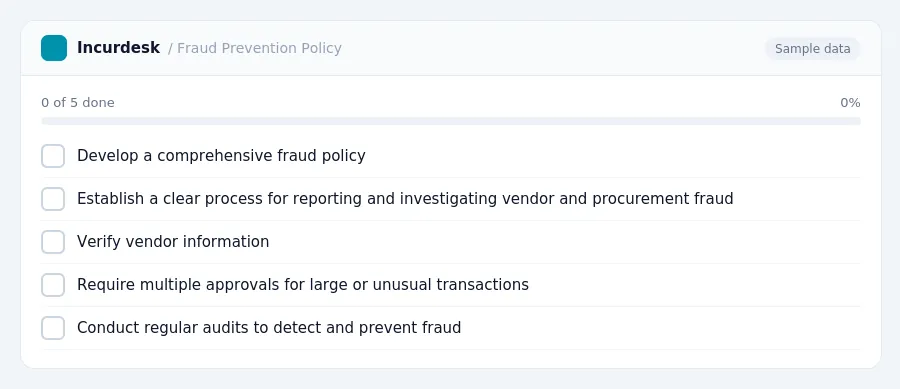
- Develop a comprehensive fraud policy that outlines procedures for detecting, reporting, and investigating expense fraud.
- Ensure all employees understand the policy and their roles in preventing and reporting fraud.
- Establish a clear process for reporting and investigating vendor and procurement fraud, including fake or shell vendors, vendor overbilling, duplicate invoices, or kickback schemes.
- Implement a system to verify vendor information, such as the vendor's name, address, and tax ID number.
- Require multiple approvals for large or unusual transactions, and consider using a third-party vendor verification service to reduce the risk of fake or shell vendors.
- Consider conducting regular audits to detect and prevent fraud, and consider hiring a third-party auditor to provide an objective perspective.
- Keep accurate and detailed records of all transactions, including receipts, invoices, and bank statements.
Keeping this simple: Incurdesk routes each expense to the right person for approval and keeps a record of who approved what. It is built for small non profits teams. Try it free.
Stop losing 4+ hours a week
30-day free trial · No credit card · Setup in 15 minutes