Month-End Expense Close for a Medical Practice
A practical, data-backed guide to controlling costs and automating expense workflows.
To ensure accurate and compliant month-end expense close for your small medical practice, it's essential to understand current IRS regulations for mileage and per diem rates. Healthcare businesses with 5-50 employees can also benefit from streamlined healthcare expense management for under $10/user (2026). For a complete overview, see our expense management guide.
IRS Mileage and Per Diem Rate Compliance
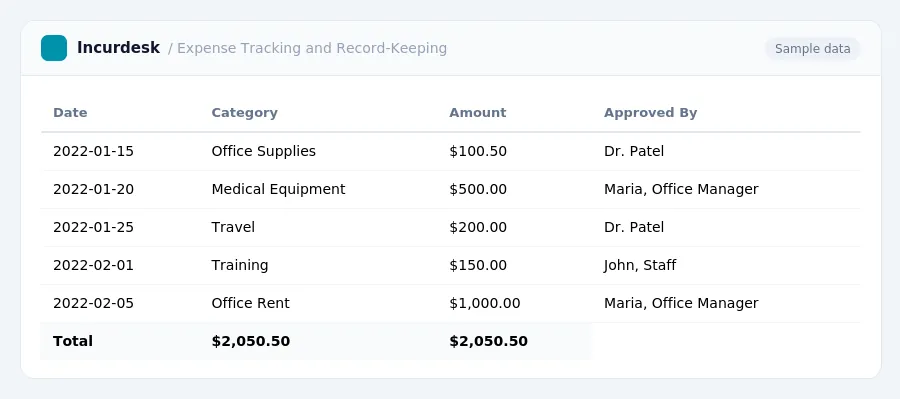
- For business use, the rate is 76 cents per mile from July 1 to December 31, 2026, and 72.5 cents per mile from January 1 to June 30, 2026.
- For other localities, the rate is $230 per day.
- Ensure accurate recording of mileage and per diem expenses, including dates, destinations, and purposes of travel.
- Document all supporting receipts and records for mileage and per diem expenses.
HIPAA Compliance and Financial Reconciliation
Ensure HIPAA compliance and accurate financial reconciliation by following these steps:
- Verify Employee Eligibility for Leave: Confirm that employees are eligible for up to 12 weeks of unpaid, job-protected leave under the federal Family and Medical Leave Act (FMLA).
- Track FMLA Leave: Accurately track FMLA leave to avoid penalties for non-compliance.
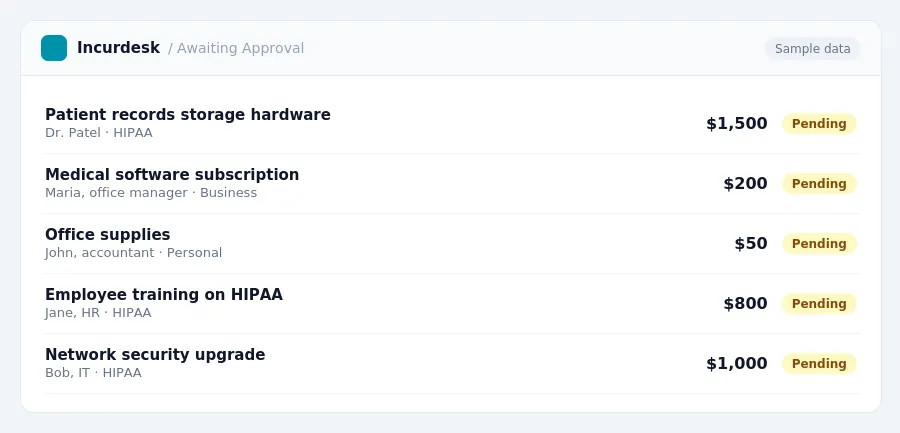
- Separate Business and Personal Expenses: Ensure that business and personal expenses are kept separate to maintain HIPAA compliance and accurate financial records.
- Reconcile Financial Records: Regularly reconcile financial records to ensure accuracy and detect any discrepancies.
- Comply with HIPAA Security Rule: Ensure that all financial and patient records are stored and transmitted securely in compliance with the HIPAA Security Rule.
- Retain Records for 6 Years: Retain all financial and patient records for at least 6 years in case of an audit or investigation.
Expense Tracking and Record-Keeping
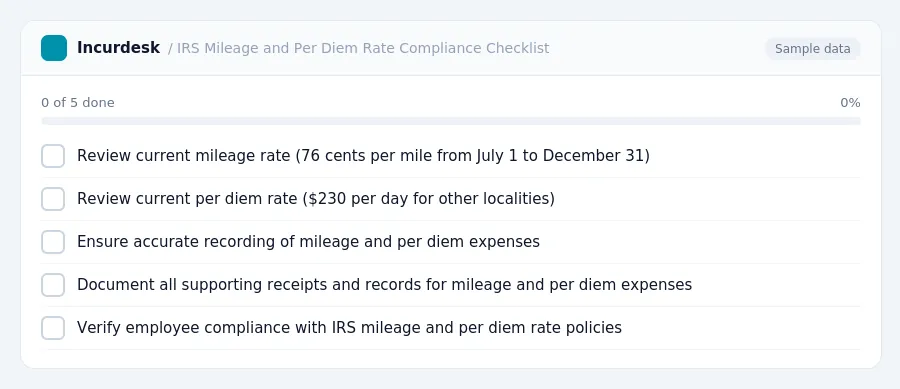
- Develop a clear and organized system for tracking medical practice expenses, including all business-related transactions, such as employee salaries, office supplies, and medical equipment purchases.
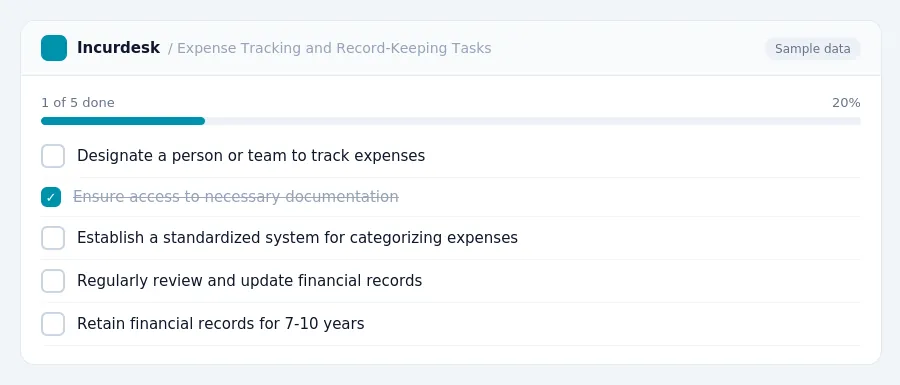
- Designate a specific person or team to be responsible for tracking and recording expenses, and ensure they have access to necessary documentation and financial records.
- Use a standardized system for categorizing and coding expenses, such as using a chart of accounts or expense categories, to facilitate accurate financial reporting and analysis.
- Establish a process for regularly reviewing and updating financial records, including reconciling bank statements and credit card accounts, to ensure accuracy and detect any discrepancies or errors.
- Retain all financial records, including receipts, invoices, and bank statements, for at least 7-10 years after the last date of treatment, and for Medicare and Medicaid records, retain for at least 10 years.
- Store all financial records in a secure and confidential manner, following HIPAA guidelines for protecting patient health information.
- Consider implementing a digital document management system to store and organize financial records, and ensure that all digital records are backed up regularly to prevent data loss.
Financial Reconciliation and Accuracy Checks
Financial reconciliation and accuracy checks are crucial steps in the month-end expense close process for a medical practice. To ensure that your financial records are accurate and compliant, follow these steps:
- Verify Expense Entries: Review all expense entries, including mileage and per diem expenses, to ensure they are accurate and properly categorized.
- Reconcile Bank Statements: Reconcile your practice's bank statements to ensure that all transactions have been recorded and accounted for.
- Check for Duplicate Entries: Identify and eliminate any duplicate expense entries to prevent over-reporting of expenses.
- Review Credit Card Statements: Review your credit card statements to ensure that all charges have been properly recorded and accounted for.
- Perform a Trial Balance: Perform a trial balance to ensure that all financial accounts are balanced and that there are no errors or discrepancies.
- Review and Adjust as Needed: Review your financial records and make any necessary adjustments to ensure accuracy and compliance.
HIPAA Violation and Penalty Prevention
Preventing HIPAA Violations and Penalties
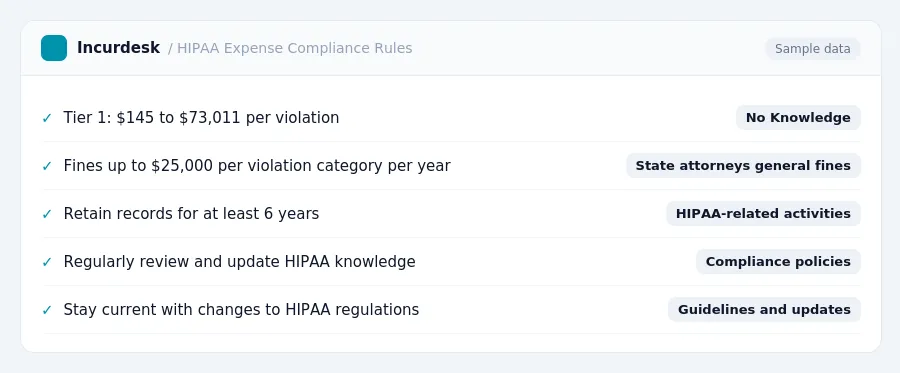
- Tier 1: $145 to $73,011 per violation, with an annual cap of $2,190,294 for No Knowledge.
- Be aware of state attorneys general fines:
- Fines up to $25,000 per violation category per year, subject to inflation adjustments.
- Take corrective action promptly:
- Identify and address HIPAA violations immediately.
- Document all corrective actions taken.
- Review and update policies and procedures to prevent future violations.
- Keep records:
- Maintain detailed records of all HIPAA-related activities, including training, audits, and incident reports.
- Retain records for at least 6 years.
- Stay informed:
- Regularly review and update HIPAA knowledge and compliance policies.
- Stay current with changes to HIPAA regulations and guidelines.
| Tier | Per Violation Fine Range | Annual Cap |
|---|---|---|
| Tier 1 | $145 to $73,011 | $2,190,294 |
| Tier 2 | $1,461 to $73,011 | $2,190,294 |
| Tier 3 | $14,602 to $73,011 |