Outsourced Finishing vs In-House
Real trade-offs, pricing & decision guide — updated November 2026
For small US print shops, deciding whether to outsource or in-house finishing services is a crucial decision that can impact their expense management. The choice between outsourcing and in-house production depends on various factors, including cost-effectiveness, efficiency, quality control, and strategic advantages. In-house production provides greater control, but comes with higher costs, while outsourcing can offer cost savings, but may lack the flexibility and scalability of in-house production.
The global print finishing services market is growing at a CAGR of 4.6% from 2026 to 2035, driven by binding, foil stamping, embossing, and demand for packaging and labels. However, outsourcing can also offer cost savings, and specialty jobs often favor outsourcing. To make an informed decision, it's essential to consider the specific needs of your print shop and weigh the pros and cons of in-house versus outsourced finishing services. For the bigger picture, see our guide to print shops expense management software.
Strategic Advantages
When deciding between in-house and outsourced print finishing, consider the following factors to determine which option is best for your business.
Output Control: In-house production allows for complete control over the printing process, ensuring consistency and quality. This is particularly important for specialty jobs that require unique finishes or high-end materials.
Flexibility and Scalability: Outsourced printing can be more cost-effective in the long run, but it's essential to consider the scalability of the service. If your business is growing rapidly, it may be challenging to maintain in-house production. However, if you're already established, in-house production can be a better fit.
Cost Structure: The cost per page varies depending on the printing method and quantity. In-house production may offer better control over costs, but outsourced printing can provide access to specialized equipment and expertise.
Strategic Partnerships: By outsourcing print finishing, you can tap into the expertise and resources of specialized companies. This can be particularly beneficial for businesses that require high-end finishing or have complex print jobs.
Industry TrendsThis trend is driven by the increasing demand for digital printing and specialty finishes.
Key ConsiderationsBy weighing the pros and cons of each option, you can make an informed decision that drives success for your business.
Automation and Digital Printing
For small print shops, outsourcing print finishing can be a cost-effective and efficient way to meet increasing demand. Digital printing offers significant advantages over traditional offset printing. With digital printing, you can reduce setup costs, minimize waste, and increase productivity.
This technology can help reduce labor costs and increase efficiency, which can lead to cost savings for your business. Additionally, the printing industry is increasingly adopting eco-friendly practices, such as the use of recyclable materials, biodegradable packaging, and eco-friendly inks.
In terms of implementation, consider the following steps:
- Evaluate the cost-effectiveness of digital printing and outsourcing versus in-house printing.
Cost-Effectiveness
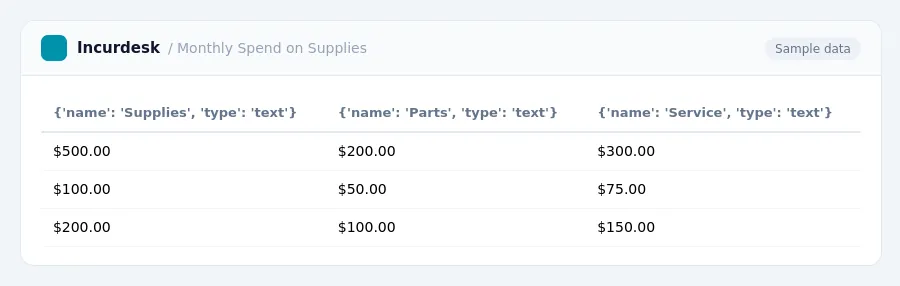
In-house printing can be a cost-effective option for small print shops, especially when considering the predictable monthly spend on supplies, parts, and service. According to Key Facts for Small Print Shops (2026), modern in-house production printing under a cost-per-page service agreement typically includes predictable monthly spend. This can provide a stable and reliable financial foundation for the business. Additionally, in-house printing can help reduce waste and minimize the need for additional equipment or supplies, which can lead to significant cost savings over time.
The global print finishing services market is projected to reach $28.54 billion by 2035, providing a vast potential for growth and investment. As the market expands, small print shops can capitalize on the increasing demand for printing services. However, it's essential to consider the costs associated with in-house production, including labor, equipment maintenance, and overhead expenses. By carefully evaluating the costs and benefits, businesses can make an informed decision about whether in-house printing is the best option for their needs.
Quality Control
In-house printing offers greater control over quality, timelines, and brand consistency. This is because in-house printers can set their own production schedules, quality standards, and output controls, ensuring that final products meet high standards. Additionally, in-house printers can maintain a high level of quality control by monitoring the printing process in real-time, making adjustments as needed to prevent errors or defects.
In contrast, outsourced print finishing may result in inconsistent quality, delayed production, and reduced brand consistency.
Ultimately, the decision to outsource or in-house print finishing depends on the specific needs and goals of the business. By understanding the potential benefits and drawbacks of each option, businesses can make an informed decision that ensures high-quality products and meets their brand standards.
AI expense management for finance teams and whoever keeps the books. It checks every expense against your rules, approves the routine ones and chases missing receipts for you.
Try it free for 30 days →Neither gets it right. Incurdesk does.
30-day free trial. No credit card. Setup takes 15 minutes.