Packaging Costs
Real trade-offs, pricing & decision guide — updated November 2026
In the world of small craft breweries, packaging is a crucial aspect of expense management. When it comes to cans versus kegs, breweries need to consider the upfront costs, ongoing expenses, and long-term durability to optimize profitability and sustainability. The choice between cans and kegs ultimately depends on factors such as production volume, ingredient costs, labor costs, and market demand. For small breweries, the cost of cans versus kegs can vary depending on the size of the shipment, with smaller kegs typically being more cost-effective. For the bigger picture, see our guide to craft breweries expense management software.
Cost Comparisons
Here is the "Cost Comparisons" section:
When to Choose Cans Cans are a popular choice for packaging beer due to their durability and long shelf life. They are also relatively inexpensive to produce and can be recycled, making them a more sustainable option in the long run. However, the decision to choose cans ultimately depends on your brewery's specific needs and circumstances.
Cost Comparisons
Note: The cost of cans varies depending on the size and type of can, while the cost of kegs varies depending on the size and type of keg. Additionally, the costs mentioned above are subject to change and may vary depending on location and other factors.
Long-Term Durability
In the long term, cans offer a more durable packaging solution compared to kegs. Cans are designed to withstand the rigors of transportation and storage, with a typical lifespan of 10-15 years.
- Environmental impact: Cans are made from recyclable materials and have a lower carbon footprint compared to kegs.
- Equipment maintenance: Cans require less maintenance and cleaning compared to kegs, which can be more challenging to clean and maintain.
- Staff training: Cans may require less training for staff to operate and clean, as they are generally easier to use and maintain.
In general, it is recommended to opt for cans for packaging beer that will be stored for extended periods, such as kegs. However, for smaller batches and events, kegs may be a more cost-effective and sustainable option.
When to Choose Cans
For small craft breweries, cans can be a cost-effective packaging option, especially when considering the cost of operating a brewery. One factor to consider is the price of aluminum cans. As the global aluminum market, can size, order quantity, decoration, and logistics can affect the price. Scrap yards are paying about $0.45 to $0.56 per pound for aluminum beverage cans as of November 27, 2026.
The cost of a half-barrel keg is lower, ranging from $0.55 to $0.79 per 12 oz serving. In contrast, cans from a case can cost $1.00 to $1.25 per can. The price per barrel for kegs is estimated at $8 to $12, while for cans, it is estimated to be $40 to $50 per barrel. This means that, on a per-barrel basis, cans may be more cost-effective for larger breweries or those with high-volume production.
When choosing between cans and kegs, consider the brewery's output, size, and production volume. For small breweries, cans may be a better option due to their lower cost per unit. Ultimately, the decision between cans and kegs will depend on the specific needs and circumstances of the brewery.
When to Choose Kegs
New empty kegs typically range from $100 to $200, depending on size, manufacturer, construction, fitting, and branding. A half-barrel keg can cost between $150 to $180, while a sixth-barrel (sixtel) keg might range from $102 to $120. Bulk orders can reduce the per-unit cost, with prices potentially falling to $80-$150 per unit for very large quantities.
Output HTML only
Packaging Regulations
As a small craft brewery, understanding the packaging regulations that apply to your business is crucial for optimizing profitability and sustainability. Here are the key regulations to consider:
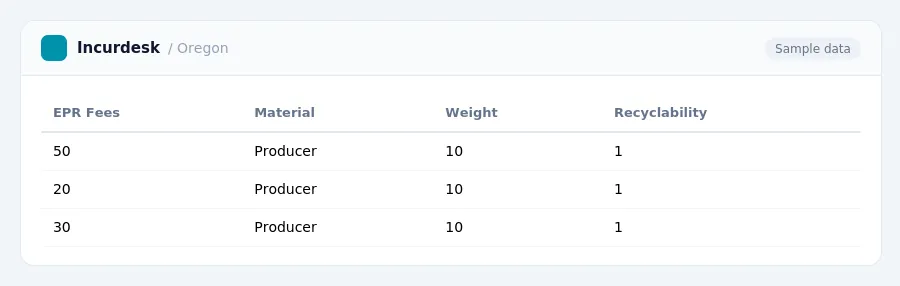
- In Oregon, California, Maine, Minnesota, Maryland, and Washington, packaging EPR laws, which shift the cost of collecting and recycling packaging from municipalities to producers, have been implemented. These laws require producers to pay fees based on material, weight, and recyclability.
- Maine is implementing a PFAS ban on specific food-contact packaging, effective May 25, 2026. This law restricts the misuse of "recyclable" symbols on packaging manufactured after this date, based on state recyclability criteria.
- If you plan to sell beer in Maine, you must ensure that your packaging meets the state's recyclability standards and complies with the regulations.
These regulations may impact your packaging choices and require you to adjust your production and distribution processes accordingly.
Tax rules, limits and rates change. Confirm current figures with the IRS or your accountant before you file.
AI expense management for finance teams and whoever keeps the books. It checks every expense against your rules, approves the routine ones and chases missing receipts for you.
Try it free for 30 days →Neither gets it right. Incurdesk does.
30-day free trial. No credit card. Setup takes 15 minutes.