
Reimbursing Staff for Scrubs, Shoes and Uniforms
A practical, data-backed guide to controlling costs and automating expense workflows.
Reimbursing staff for scrubs, shoes, and uniforms is a common practice in the healthcare industry, but it's essential to understand the tax implications to avoid potential pitfalls. For the bigger picture, see our guide to healthcare expense management for under $10/user (2026). For a complete overview, see our expense management guide.
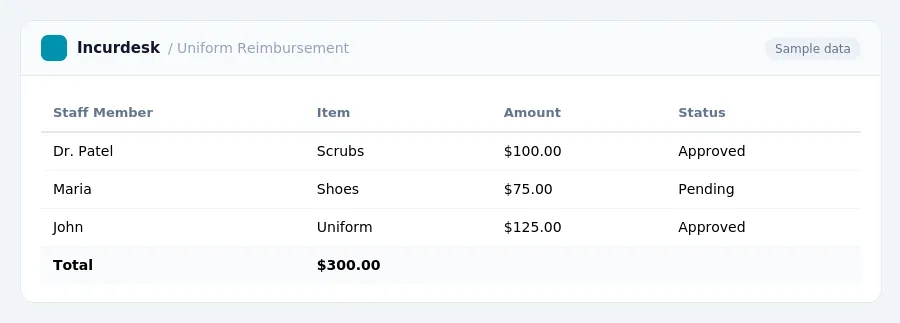
However, employers must comply with the Fair Labor Standards Act (FLSA), which prohibits unreimbursed work-related costs from reducing an employee's pay below the federal minimum wage of $7.25 per hour.
Employers should be aware of state-specific laws, such as Minnesota and Illinois, which require reimbursement for certain expenses, including uniforms, in specific situations.
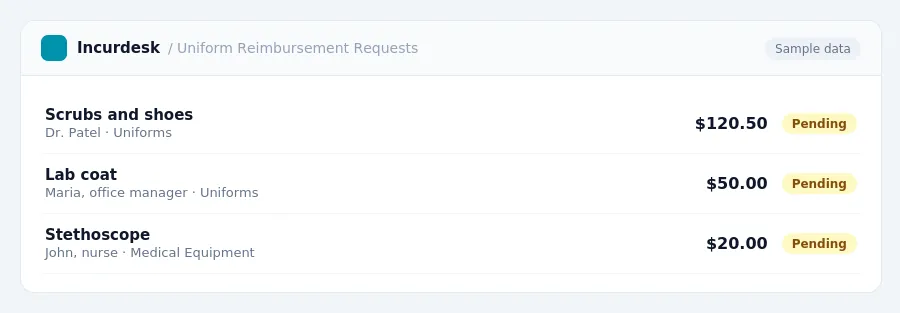
Here are the key requirements:
- The expense must have a business connection.
For self-employed individuals and business owners, qualifying work clothing can be deducted as an ordinary and necessary business expense on their tax returns (e.g., Schedule C). However, it's essential to follow the same accountable plan requirements to ensure deductibility.
State-Specific Reimbursement Laws and Requirements
Here are some key considerations:
In Washington D.C., employers are required to either pay for the purchase and maintenance of required tools and uniforms or provide cash allowances if not furnished directly.
Employers in certain states, such as California, must provide a written policy outlining the terms of reimbursement, including the types of clothing and equipment that are reimbursable and the procedures for requesting reimbursement.
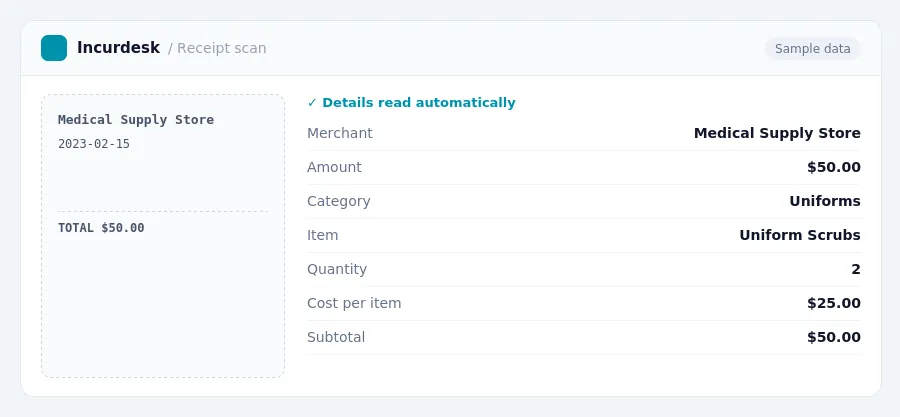
In New York, employers are required to provide a detailed receipt or invoice for any reimbursable expenses, including the date of purchase, description of the item, and total cost.
Employers in Illinois must provide a written notice to employees informing them of the reimbursement policy and the procedures for requesting reimbursement.
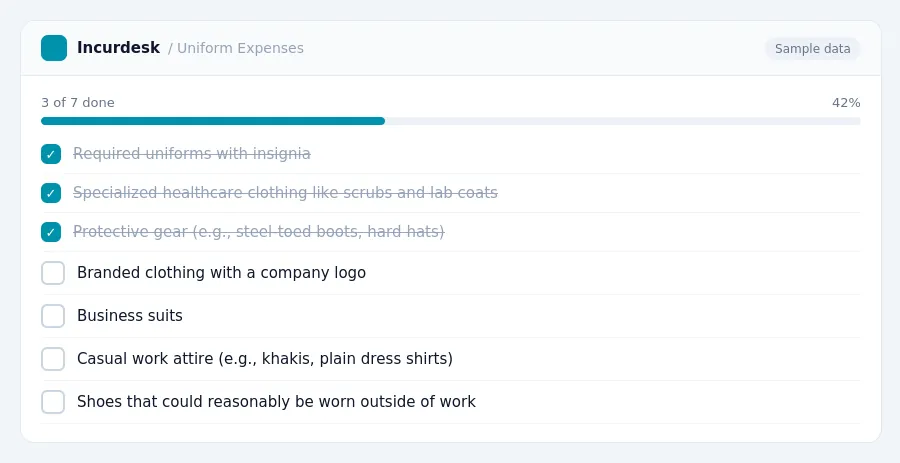
Deductible vs.
- Required uniforms with insignia
- Specialized healthcare clothing like scrubs and lab coats
- Protective gear (e.g., steel-toed boots, hard hats)
- Branded clothing with a company logo that is not suitable for personal wear
- Business suits
- Casual work attire (e.g., khakis, plain dress shirts)
- Shoes that could reasonably be worn outside of work
- Watches
Practical Considerations and Compliance for Healthcare Businesses
When implementing a reimbursement plan for uniforms and clothing, it's essential to consider the following practical considerations and compliance steps for healthcare businesses:
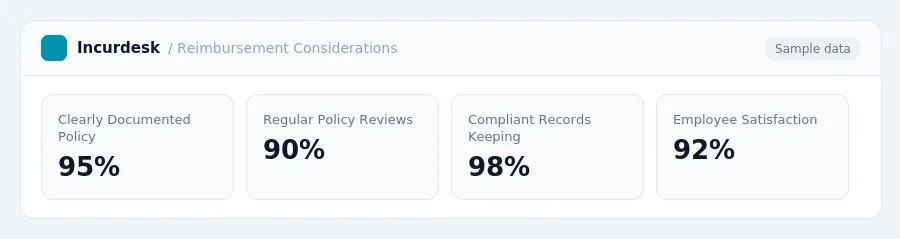
Clearly document your reimbursement policy and communicate it to employees, including what items are eligible for reimbursement, the reimbursement process, and any deadlines for submitting claims.
Establish a process for employees to request reimbursement, which should include providing receipts for purchases and submitting a completed claim form. You may want to consider creating a centralized system for managing reimbursement requests and claims.
Ensure that you maintain accurate records of reimbursement claims, including receipts, claim forms, and payment records. This will help you track expenses and ensure compliance with tax laws and regulations.
Review and update your reimbursement policy regularly to ensure it remains compliant with federal, state, and local laws and regulations. Consider seeking guidance from a tax professional or attorney if you're unsure about any aspect of your reimbursement policy.
Keeping this simple: Incurdesk keeps receipts and approvals together, so you know exactly what to reimburse. It is built for small healthcare teams. Try it free.
Stop losing 4+ hours a week
30-day free trial · No credit card · Setup in 15 minutes